Last updated November 23, 2026
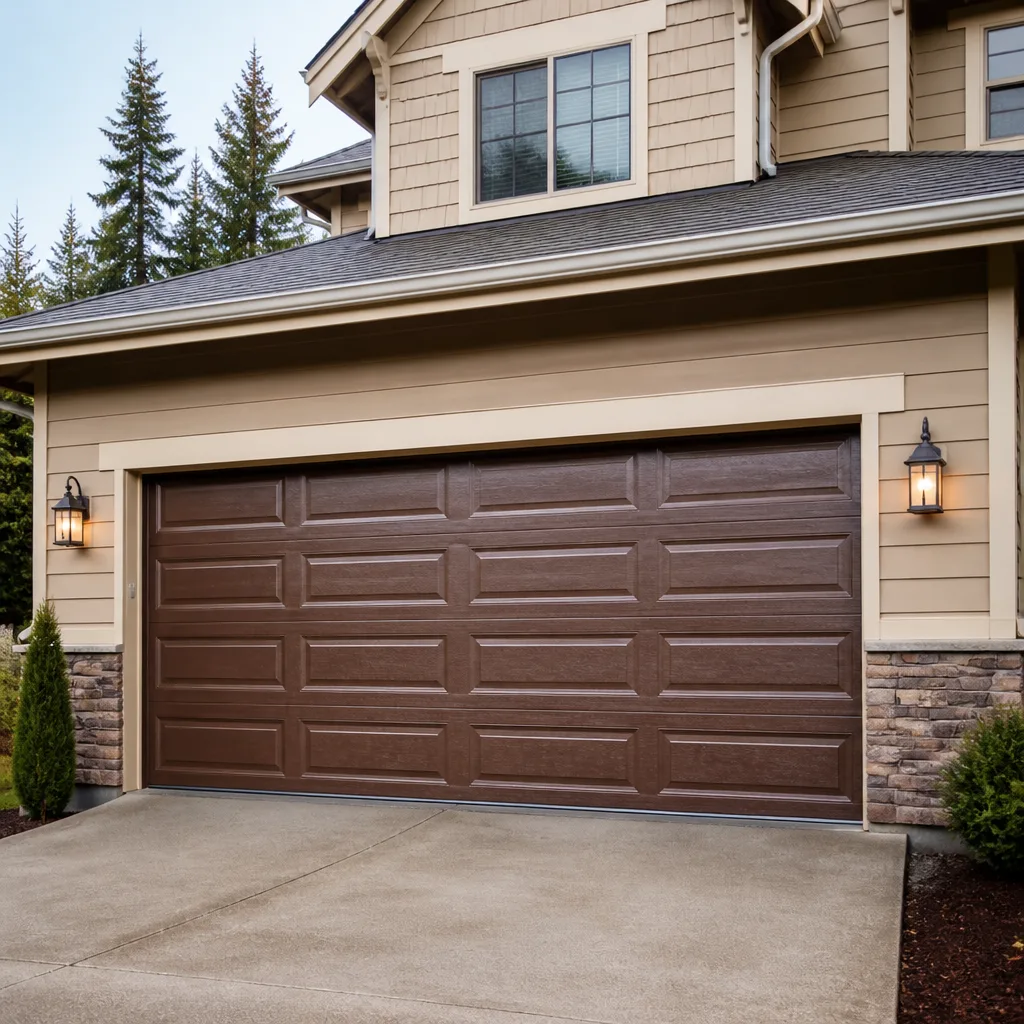 Raised-panel steel
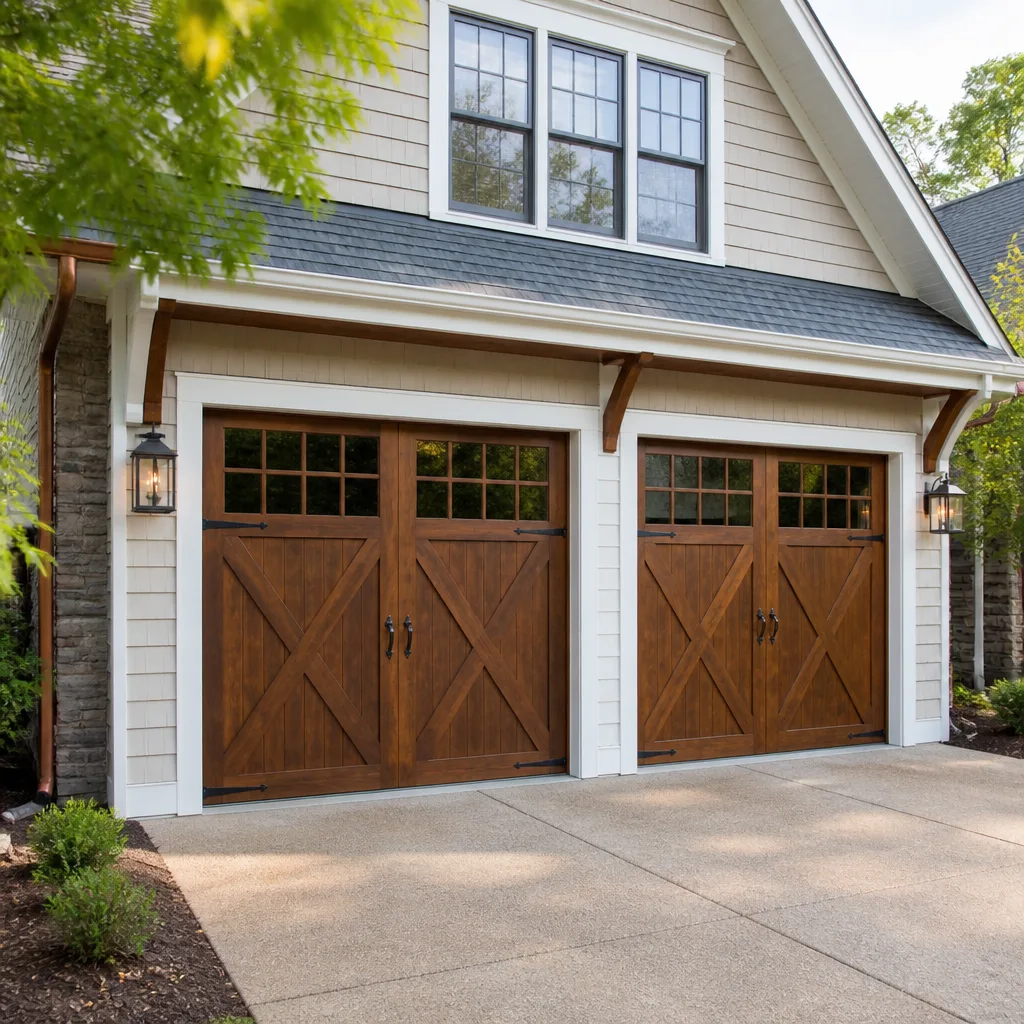 Carriage house
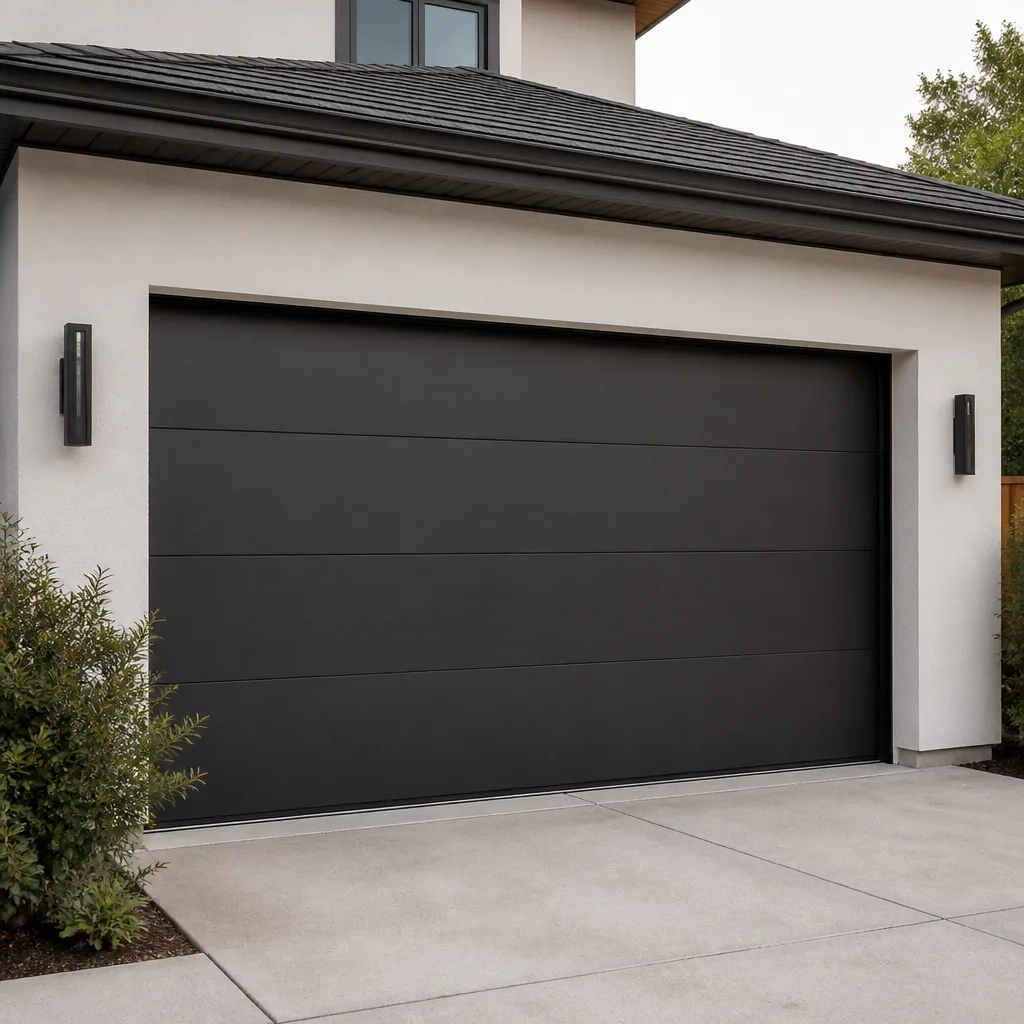 Modern flush
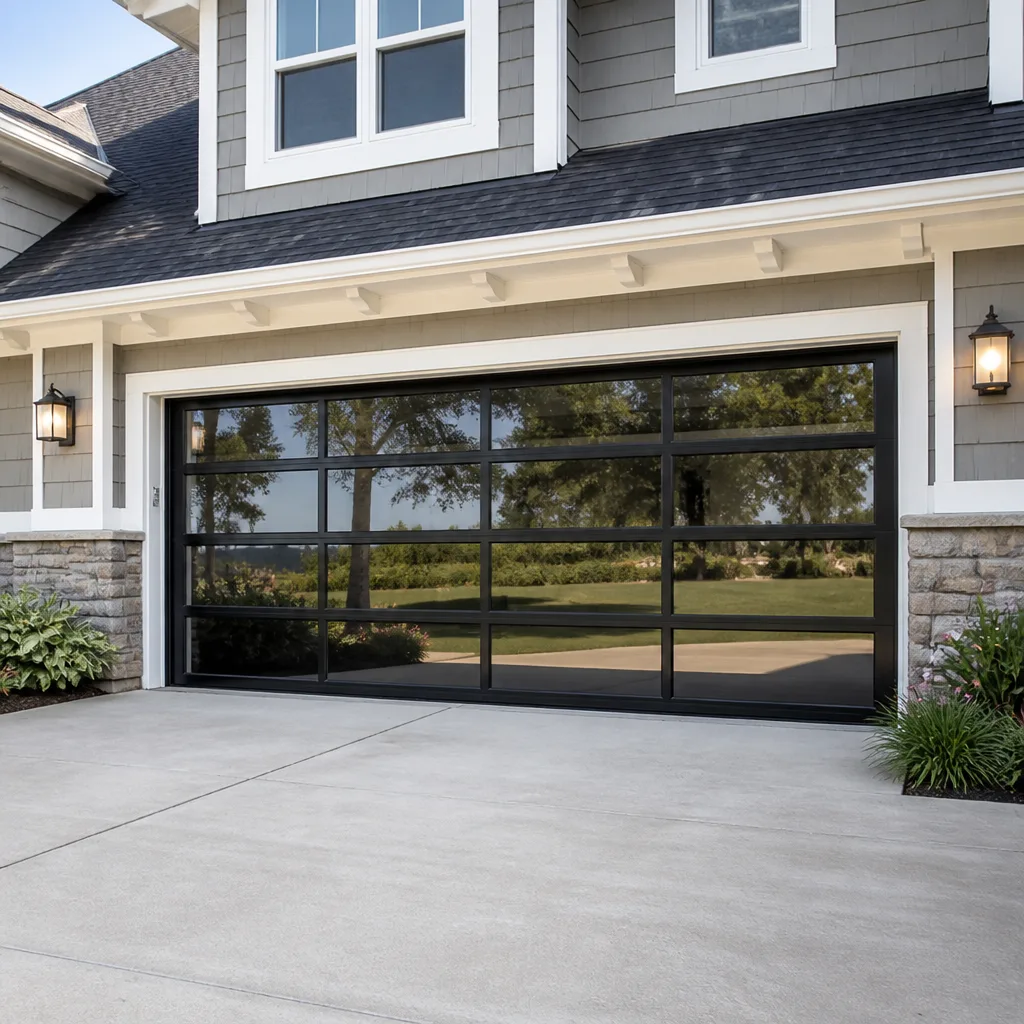 Full-view glass
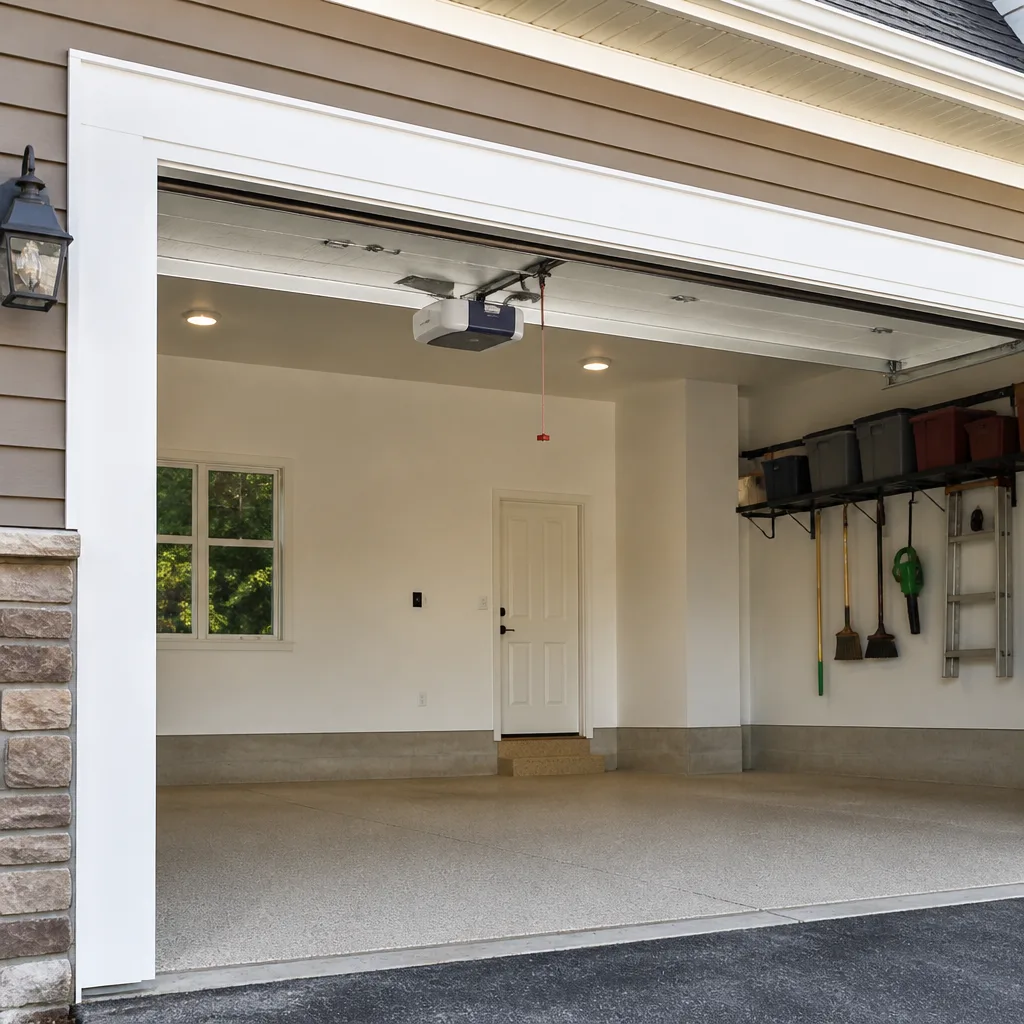 LiftMaster openers
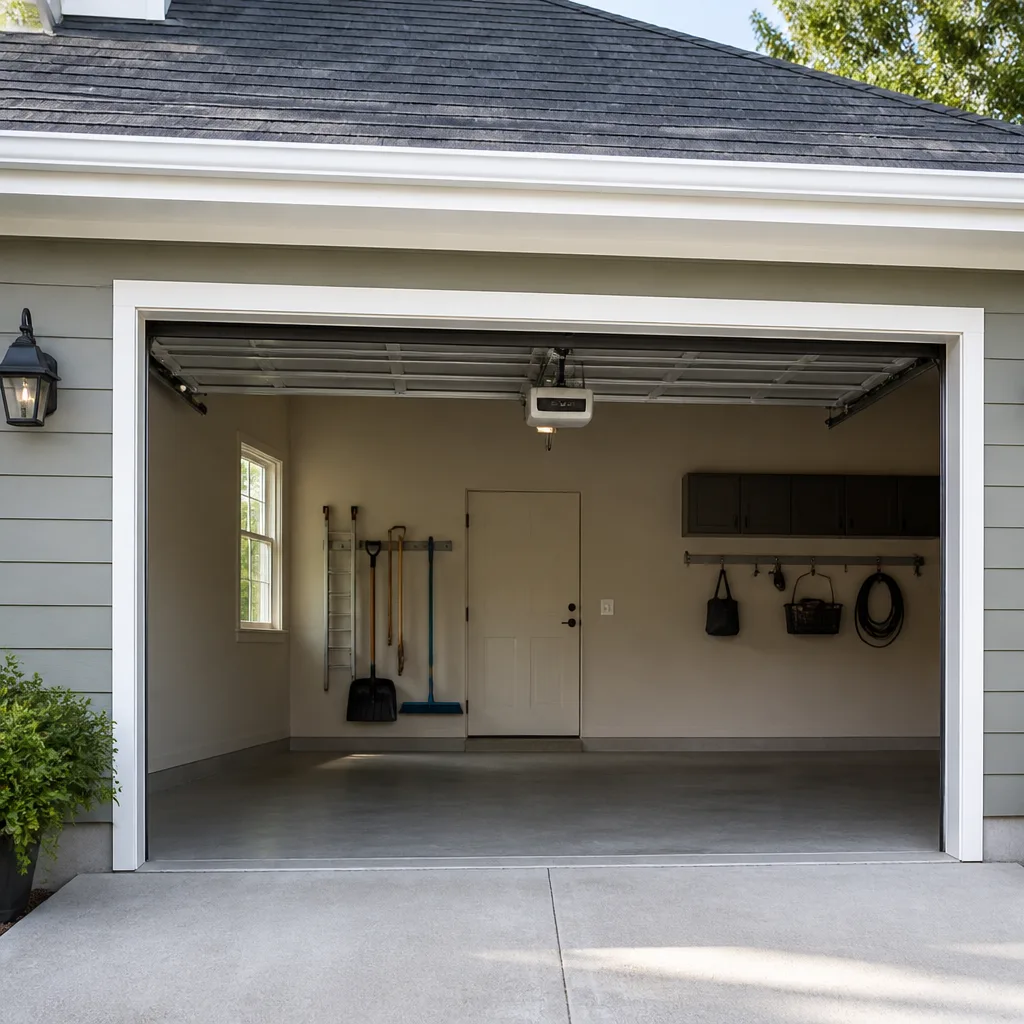 Chamberlain openers
Full 25-point door and opener safety check with every visit - springs, cables, rollers, tracks, and your LiftMaster or Chamberlain opener included
You get a price before we start. It does not change when the pro arrives.
Get your free estimateGarage Door Emergency Preparedness Guide for Cottage Grove Homes
Most garage door emergencies aren’t really about the door. They’re about the two minutes after it fails, when you’re standing in a cold garage in Cottage Grove trying to remember where the release cord is, or whether you’re allowed to force the door up by hand. The door itself usually gives plenty of warning – a grinding noise, a sluggish start, a bottom seal that sticks to the floor on a January morning. The problem is that nobody rehearses the response. This guide is that rehearsal. We’ll cover how to release a door during a power outage, what to do when a spring snaps with the car trapped inside, how to free a frozen door without wrecking the weatherseal, and exactly what to tell a technician so the right parts arrive on the first visit.
Quick Answer
A garage door emergency in Cottage Grove is manageable if you know three things in advance: where your manual release cord is and how to pull it, that a door with a broken spring must never be lifted alone, and who to call with the right details. Never force a stuck door, never stand under a door held only by a spring, and never try to loosen spring hardware yourself – that’s trained-professional work. Everything else in this guide is preparation you can do on a calm afternoon.
Styles & brands we work with
- Raised-panel steel
- Carriage house
- Modern flush
- Full-view glass
- LiftMaster openers
- Chamberlain openers
Table of Contents
- How Do You Release a Garage Door by Hand During a Power Outage?
- How Do You Deal With a Frozen Garage Door in Cottage Grove?
- What Should You Do When a Spring Breaks With the Car Inside?
- How Do You Prepare for a Winter Power Outage in Cottage Grove?
- Do Battery Backup Openers Work in Minnesota Cold?
- What Information Does a Technician Need on an Emergency Call?
- What Monthly Checks Prevent Most Emergencies?
How Do You Release a Garage Door by Hand During a Power Outage?
Every LiftMaster and Chamberlain opener installed in the last 15 years has a manual release – a cord hanging from the carriage that disconnects the door from the opener track so you can lift it by hand. The trouble is that in a real outage, homeowners either can’t find the cord in the dark or pull it at the wrong moment and jam the carriage. The release is simple once you’ve done it once, and there’s no reason to learn it for the first time during a storm.
Here’s the sequence that works on the standard chain-drive and belt-drive openers common in Cottage Grove homes:
- Make sure the door is fully closed before you pull. If the door is partway up, let it settle all the way down by hand first. Pulling the release mid-travel lets the door drop fast and can bend panels or snap a spring that was already under load.
- Find the cord. It hangs from the metal carriage that rides the center rail. On most installs it’s a red handle on a short rope. Keep a flashlight in the garage so you’re not hunting for it in the dark.
- Pull straight down, firmly, once. You’ll hear the carriage click free. Don’t yank sideways – that bends the release arm and the opener won’t re-engage cleanly.
- Lift the door slowly from the bottom center. A balanced door should rise with steady pressure and stay where you leave it. If it feels heavy or drops, stop – that’s a spring problem, not a release problem.
- Re-engage when power returns. With the door fully closed, pull the cord again or run the opener one cycle; the carriage clicks back onto the trolley. Test it with the wall button before you trust it.
If your opener is a Craftsman or Raynor model, the release lives in the same place, though the carriage shape differs. The rule doesn’t change: closed door first, straight pull, slow lift. If the door is stuck mid-travel and won’t lower by hand, stop and call us rather than forcing it – a door hung up on a bent track can come down hard. When a power failure or a dead opener leaves you locked in or out, that’s a genuine emergency, and emergency garage door repair exists for exactly those situations.
How Do You Deal With a Frozen Garage Door in Cottage Grove?
A frozen garage door in Cottage Grove almost always sticks at the bottom seal, where a warm garage meets a cold concrete apron and the rubber freezes to the floor. The fix is heat and patience – not force. Most winter door damage we see traces back to someone trying to break the seal free with an ice scraper, a shovel, or the opener itself, and all three cause problems that cost more than the freeze did.
Here’s how to free a frozen door without wrecking the seal or the panels:
- Disconnect the opener first. Pull the manual release so the motor can’t strain against a frozen door. Running an opener against a stuck seal burns out the gear and can strip the carriage.
- Apply gentle heat along the bottom edge. A hair dryer on low, moved steadily along the seal, softens the ice bond. Keep it moving – holding it in one spot can crack cold rubber or scorch paint.
- Never use an ice scraper, screwdriver, or shovel blade on the bottom rubber. The seal tears easily when cold, and a torn seal lets meltwater into the door’s bottom section, where it refreezes and rots the steel.
- Never pour hot water on the door. It flashes to ice on the apron within seconds and can crack tempered panels or stress the finish.
- Once it moves, clear the apron. Shovel and de-ice the concrete strip in front of the door so the seal has somewhere dry to sit. A rubber-safe de-icer helps; rock salt corrodes the bottom section and the hinges.
If the door still won’t budge after a patient warm-up, the problem isn’t ice – it’s a spring, a cable, or a track that’s out of line. Don’t hook a vehicle to it or pry at the bottom panel. Garage doors are all we do, and a frozen door that turns out to be a mechanical fault is one we can sort out quickly once we know what we’re dealing with.
What Should You Do When a Spring Breaks With the Car Inside?
A snapped spring with the car trapped inside is the classic Cottage Grove garage emergency – it usually happens on the coldest morning of the year, when the car is loaded and the school run is ten minutes away. The door will feel impossibly heavy because the spring that counterbalanced it is gone. Here’s the safe sequence, and it starts with accepting that this is a two-person job at minimum. A standard double door weighs well over a hundred pounds with the spring dead, and lifting one alone is how people get hurt.
- Leave the door closed and step back. A broken torsion spring often leaves a gap in the coil and a loose cable. Don’t stand under the door or reach into the track to investigate.
- Release the opener carriage. Pull the manual release cord so the motor isn’t fighting the door.
- Get a second person before you lift anything. One person lifts from the bottom center handle, the other stands to the side and guides the door up the track, watching for a cable that’s jumped its drum. Never lift from the panels or the hinges.
- Lift slowly and set a prop. Raise the door just high enough to get the car out, then hold it there with a sturdy prop or a second person. A door with a dead spring will not stay up on its own – there’s nothing balancing it.
- Back the car out and close the door by hand. Lower it gently. Don’t let it drop; a falling door with a broken spring can bend the track and crack a panel.
Then leave it closed and call for spring repair. This is the one job in the whole trade we tell people never to attempt themselves – torsion springs are under extreme tension, and the wrong move with a winding bar can cause serious injury. Spring repair done right, done safely is a core part of what we do, and garage door spring repair covers both torsion and extension systems. One more thing worth knowing: springs are usually replaced as a matched pair, because a partner spring that’s the same age is likely to fail next. Pricing reflects that, and we’ll explain it before anything starts.
How Do You Prepare for a Winter Power Outage in Cottage Grove?
Cottage Grove gets the kind of winter where an ice storm can take the power out for hours, and the garage is often the door you actually need – it’s how you get the car out, and on many homes it’s the main entrance. A little prep in October saves a stressful morning in January. The goal isn’t a bunker; it’s knowing your release works and having the battery backup sorted before the first hard freeze.
Here’s what to put in place before winter:
- Test the manual release now. Pull it, lift the door by hand, re-engage it. If it’s stiff or the door won’t lift smoothly, that’s a service call, not a January surprise.
- Keep a working flashlight hooked near the release cord. In a blackout the cord is invisible. A cheap LED light on a hook beside the track solves that.
- Check your opener for battery backup. Many LiftMaster and Chamberlain units sold in the last decade have a backup battery in the head. If yours does, confirm the battery is charged and within its service life – backup batteries lose capacity with age and cold.
- Keep the apron clear and the seal in good shape. A door that seals cleanly is easier to lift by hand and less likely to freeze shut.
- Know your exit plan. If the power is out and the release is stuck, the front door is the way out. Never try to force a dead door open from the outside with a pry bar – that’s how panels and tracks get destroyed.
For urgent access and security situations – a door stuck open overnight, a car trapped, a release that won’t engage – emergency service is part of what we offer, and getting a specialist out beats a night of guessing. For everything else, a planned tune-up before the cold settles in is the cheapest insurance there is.
Do Battery Backup Openers Work in Minnesota Cold?
Battery backup openers work in Minnesota cold, but not all backup batteries perform the same when the mercury drops. The difference is chemistry and condition. A new, healthy battery in a LiftMaster or Chamberlain backup unit will usually lift a door several cycles in a cold outage. An old battery, or a cheap replacement, may barely manage one lift – or fail the moment you need it. The cold doesn’t create the problem; it exposes a battery that was already weak.
What actually matters for Cottage Grove winters:
- Battery type and age. Backup units use sealed lead-acid or lithium cells. Lead-acid loses capacity in sub-zero cold faster than lithium, and any battery more than a few years old is a gamble. Check the date and replace on schedule rather than waiting for failure.
- Charge state before the storm. The opener keeps the battery topped up while it has power. If the unit sat unplugged or the opener has a fault, the battery may not be charged when the outage hits. Test it by unplugging the opener and running the door once.
- Door weight and balance. A cold, stiff door is heavier to lift, and a balanced door draws less from the battery. If your door has gotten harder to lift by hand, the backup has less margin too.
- Temperature at the unit. An attached garage in Cottage Grove stays above outside temperature but still gets cold. A battery in a freezing garage behaves differently than one in a heated room, so don’t assume a spec-sheet number holds at 5 degrees.
The practical move is simple: test your backup each fall by pulling the plug and cycling the door, and replace the battery on the manufacturer’s schedule. If your opener is older and has no backup, or the backup has quit, that’s a straightforward repair rather than a replacement – we work on the brand you already have, and garage door opener repair covers backup batteries, logic boards, and safety sensors. A quick diagnostic now beats a dark garage later.
What Information Does a Technician Need on an Emergency Call?
When you call for emergency garage door service in Cottage Grove, the details you give in the first two minutes decide whether the technician arrives with the right parts or has to make a second trip. A good dispatcher will ask specific questions, and knowing the answers in advance speeds up everything. Keep a note on your phone or on a label inside the garage with the key facts, so you’re not scrambling to read a model number in the dark.
Have these ready before you call:
- What the door is doing. Won’t move at all, moves partway and stops, goes up but won’t come down, or is hanging crooked. Each points to a different fault – spring, opener, cable, or track.
- Whether the car is trapped. This changes the urgency and tells us whether you need a manual-release walkthrough on the phone while a technician is on the way.
- The opener brand and model. LiftMaster, Chamberlain, Craftsman, Raynor, Genie – the brand narrows the diagnosis fast, and the model number (on a label under the light cover or on the back of the head) tells us which parts to bring.
- The door type and size. Single or double, sectional or one-piece, and roughly how wide. A photo of the whole door and the opener head, texted or emailed, saves a lot of guessing.
- What you’ve already tried. Pulled the release? Checked the wall button? Replaced the remote battery? This stops us repeating steps you’ve covered.
- Any noise or visible damage. A bang followed by a dead door usually means a spring. A grinding sound points to the opener gear. A door hanging off one side means a cable or track.
Tell us the address and whether the door faces the street or an alley, so the technician isn’t circling a Cottage Grove block in the cold. The more you can tell us up front, the more likely the first visit is the only visit. When the door won’t move, we move fast – but the right information makes fast actually work.
What Monthly Checks Prevent Most Garage Door Emergencies?
Most garage door emergencies in Cottage Grove announce themselves weeks in advance. A door that shudders, a spring that twangs, a seal that drags – these are symptoms, and a five-minute check once a month catches them before they become a Sunday-night problem. You don’t need tools for most of it. You need to watch and listen.
Run this short checklist monthly:
- Listen. A healthy door is quiet. Grinding, squealing, or a rattle that wasn’t there last month is your cue to book a service call before something fails.
- Watch the balance. Release the opener, lift the door halfway, and let go. It should stay put. If it drifts down or races up, the spring tension is off.
- Look at the springs. A torsion spring with a visible gap in the coil, or an extension spring with a stretched, gaping loop, is on its way out. Don’t touch it – just note it and call.
- Check the safety sensors. The two eyes near the floor should be aligned and the indicator light steady. A bumped sensor is the most common “my door won’t close” call there is.
- Inspect the seal and bottom edge. A torn or hardened bottom seal lets cold air, snowmelt, and pests in, and it makes the door harder to lift in winter.
- Lubricate the moving metal. Hinges, rollers, and the track (not the springs) benefit from a garage-door lubricant a couple of times a year. Avoid greasing the track surface the rollers ride on.
If any item on this list looks wrong, the fix is usually small and the cost of waiting is usually large. Catching a worn spring in October is a scheduled repair; catching it in a January cold snap with the car trapped is an emergency. That’s the whole case for the checklist.
Common Mistakes to Avoid
- Pulling the manual release with the door partway up. The door can drop fast, bend panels, and snap a spring. Always let it settle fully closed before you pull.
- Using an ice scraper or shovel on the bottom seal. Cold rubber tears easily, and a torn seal lets meltwater into the bottom section where it refreezes and rusts. Use gentle heat instead.
- Lifting a door with a broken spring alone. With the spring dead, the full weight is yours. It’s a two-person job at minimum, and the second person should guide the track from the side.
- Running the opener against a frozen or stuck door. The motor keeps pushing while the door can’t move, and the gear or carriage gives out. Release the door first.
- Assuming a backup battery is fine because the opener works. The battery only proves itself when the power is out. Test it each fall by unplugging the opener and cycling the door.
- Trying to adjust springs yourself. Torsion and extension springs are under extreme tension and can cause serious injury. This is the one job to leave to a trained professional every time.
- Calling without the opener model number. Without it, the technician may not bring the right part, and a second trip delays your repair. Keep the number where you can find it.
See the difference
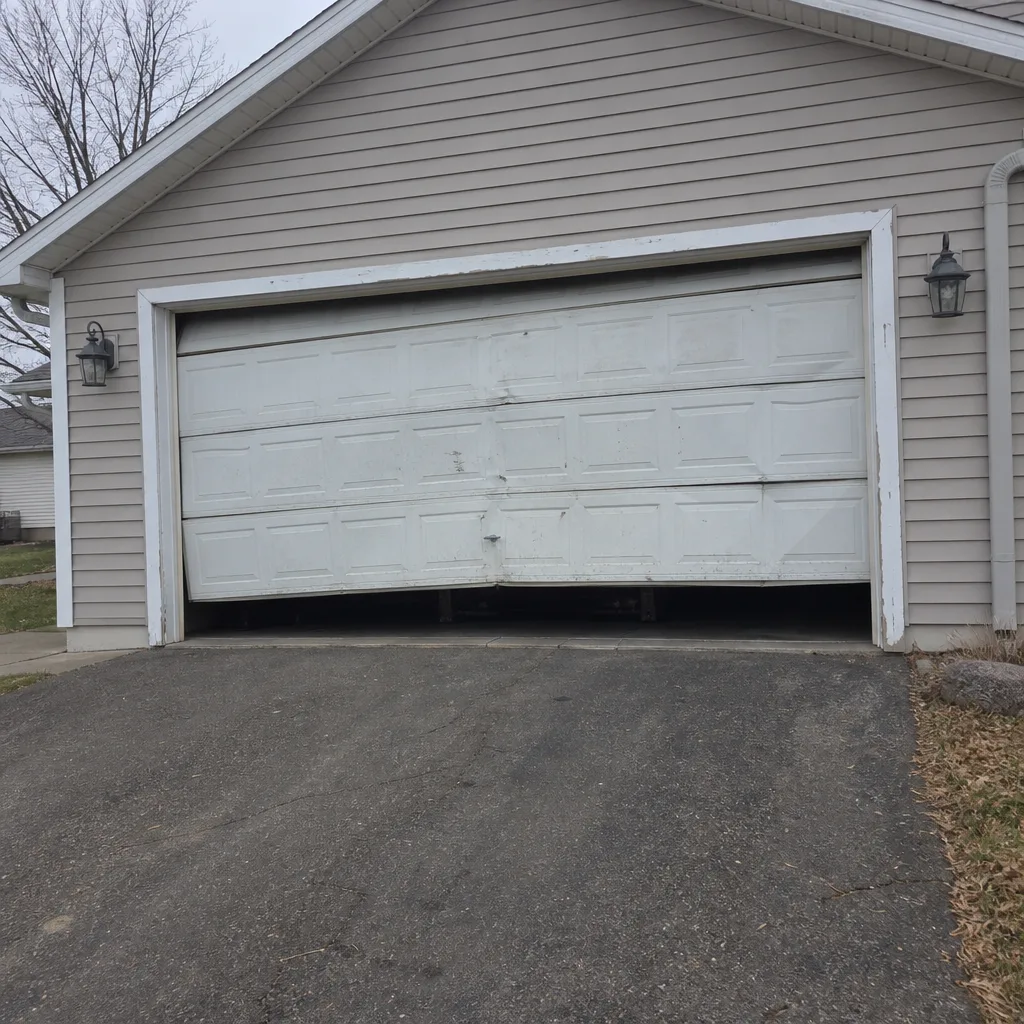 Before
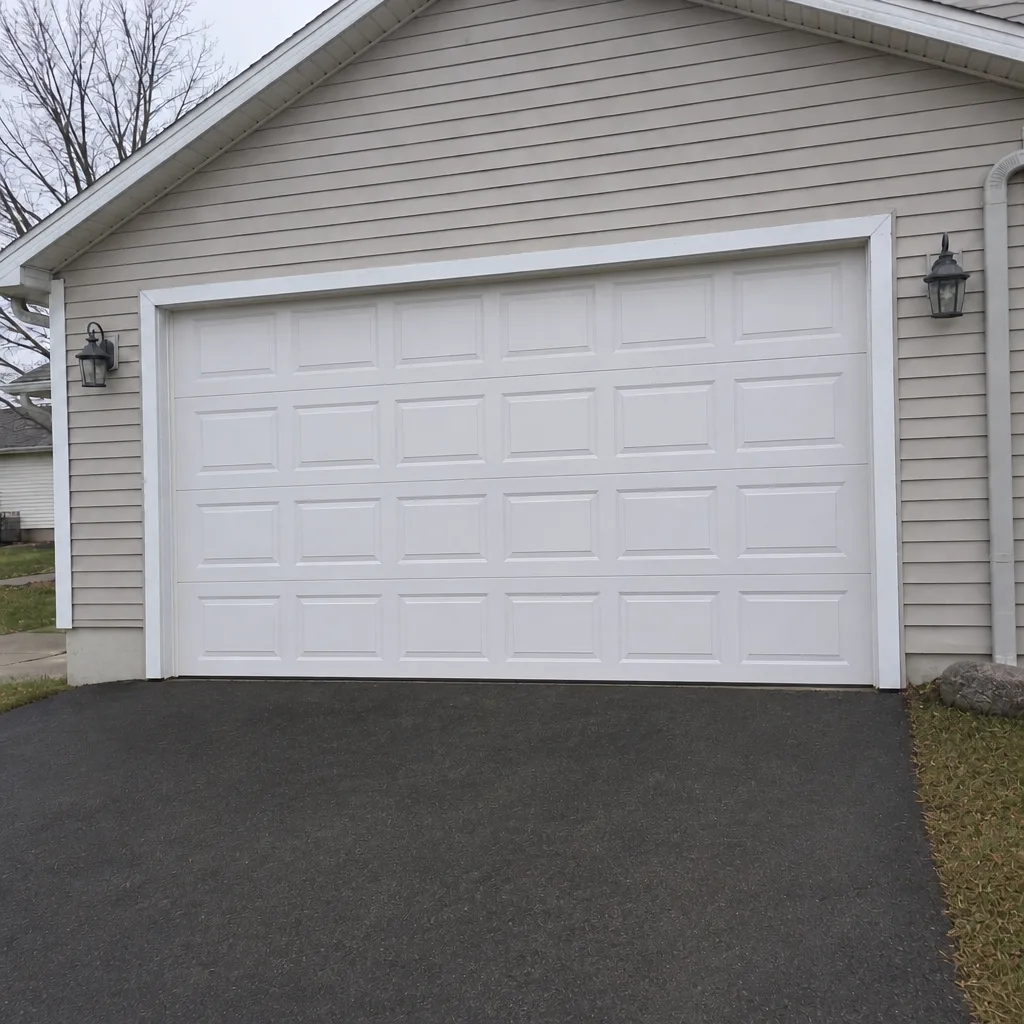 After
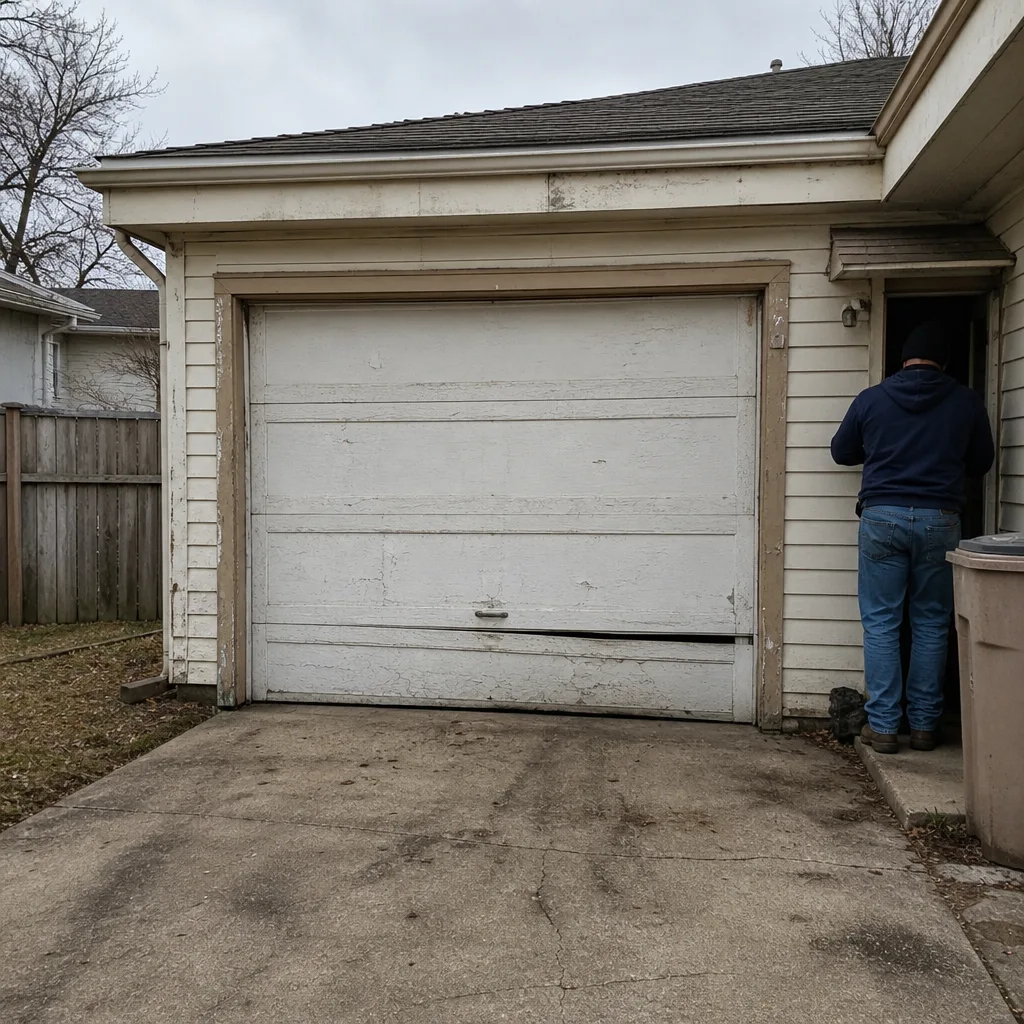 Before
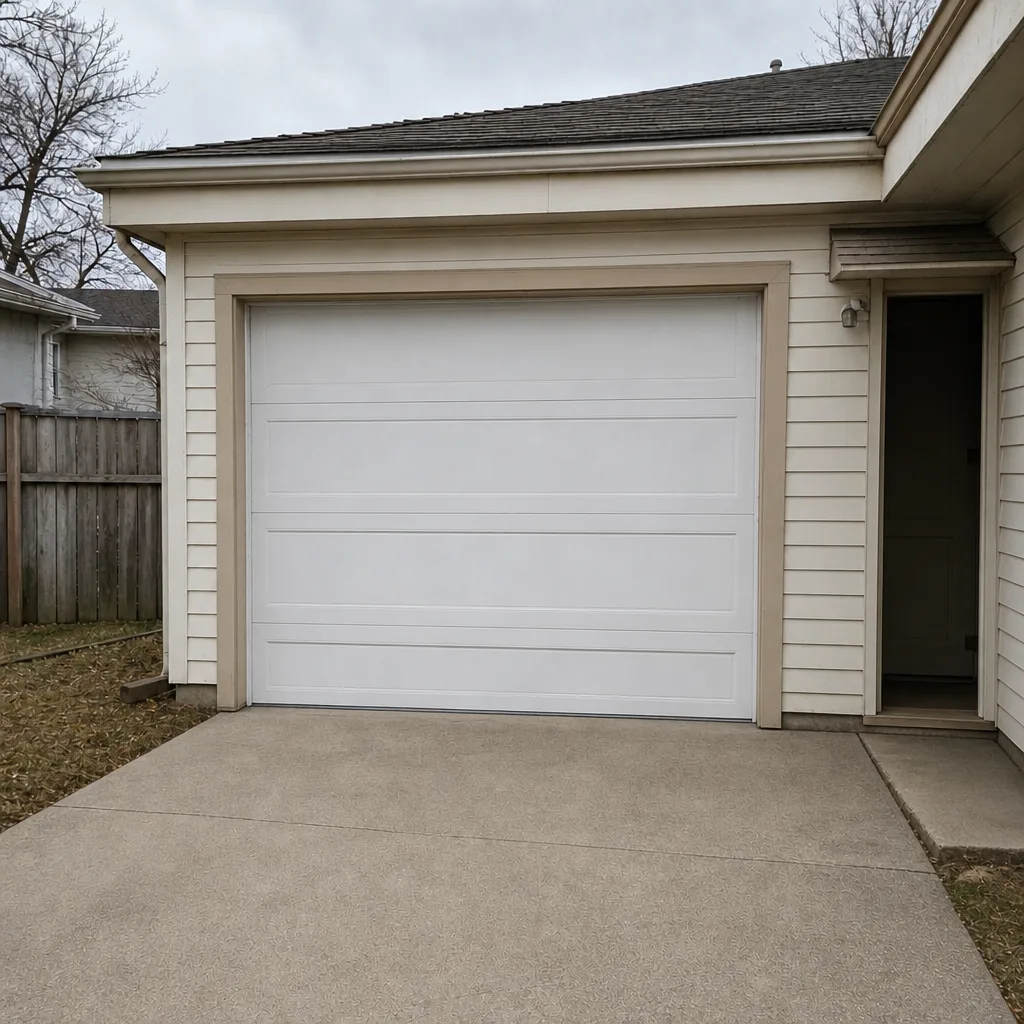 After
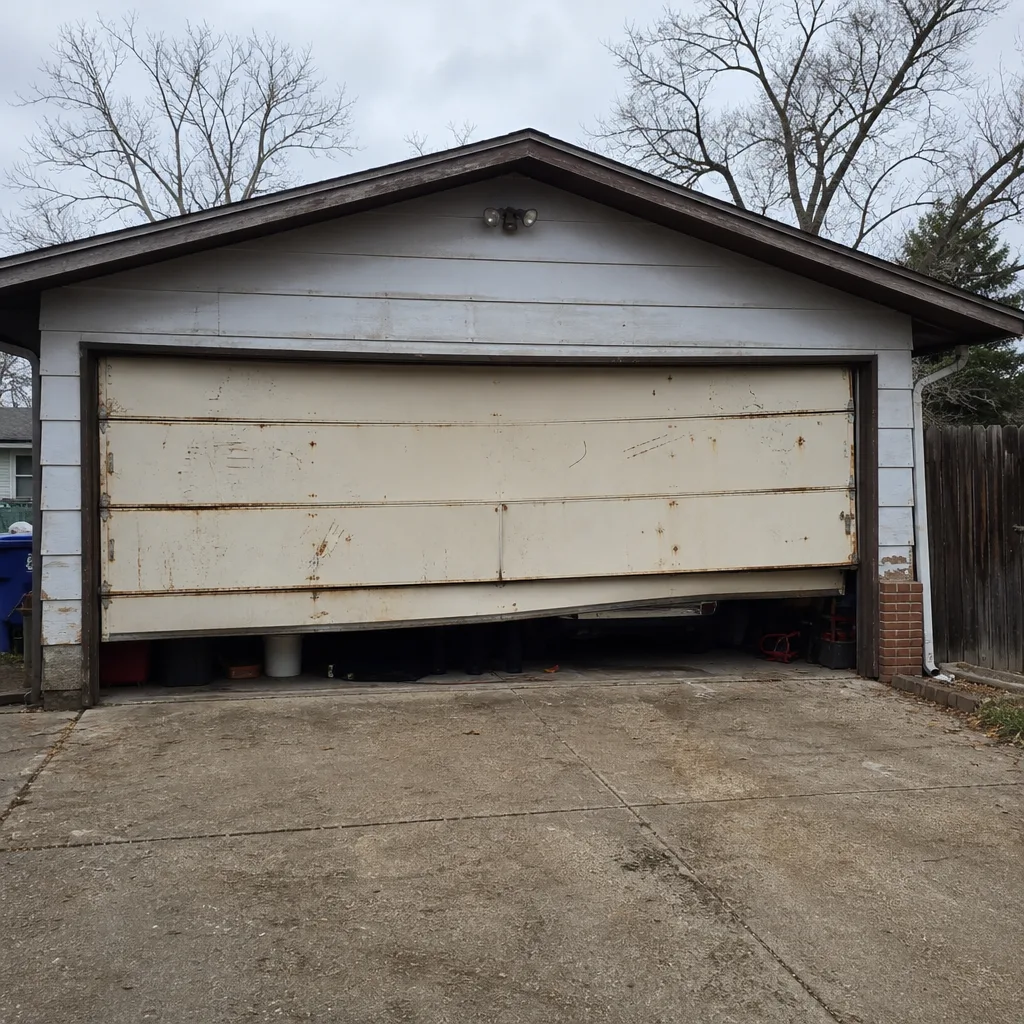 Before
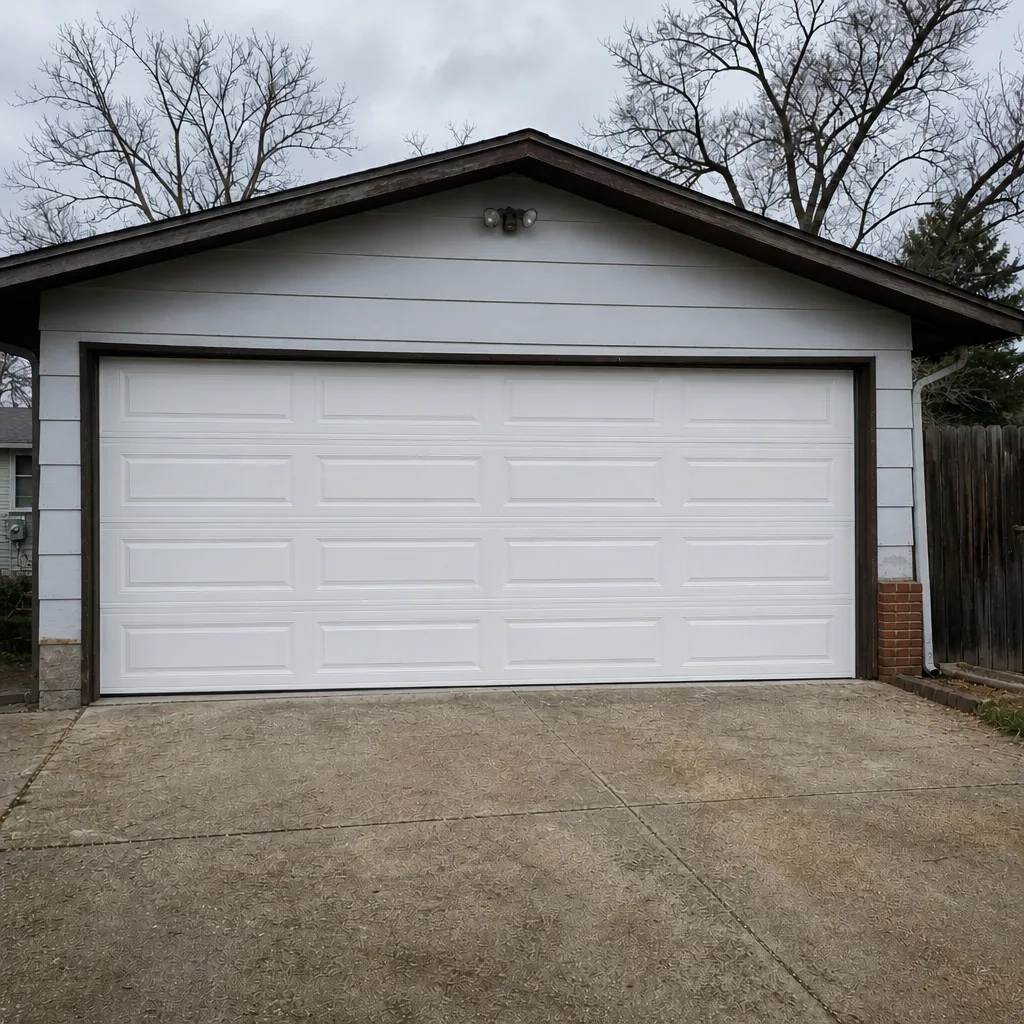 After
When to Call a Professional
Call a professional for anything involving springs, cables, or the opener’s internal parts – those are the jobs where a mistake causes injury or turns a small repair into a full replacement. Call immediately if a spring has snapped, a door is hanging crooked, a cable has come off its drum, or a door is stuck open and your home is exposed. Call if the manual release won’t engage, if the opener strains or grinds, or if a frozen door won’t free after a patient warm-up. And call if you’re simply not sure – a phone diagnosis costs nothing. Garage Door Repair Cottage Grove offers free estimates in Cottage Grove – call (833) 345-4676, and have your opener model and a quick description of the door ready. Estimates are quoted and agreed before any work starts, so there are no surprises on the invoice.
Frequently Asked Questions
Pull the manual release cord hanging from the opener carriage, with the door fully closed, then lift the door slowly by hand from the bottom center. The release disconnects the door from the motor so you can raise it manually. If the door feels heavy or drops after you pull, stop – that’s a spring problem, not a release problem, and you should call for help.
Leave the door closed, release the opener carriage, and get a second person before you lift anything. Raise the door slowly from the bottom center handle, prop it, back the car out, and lower it gently by hand. Then leave it closed and call for spring repair – never try to replace or adjust a spring yourself, because they’re under extreme tension.
Disconnect the opener, then apply gentle heat along the bottom edge with a hair dryer on low, moving steadily. Never use an ice scraper, screwdriver, or shovel on the bottom rubber, and never pour hot water on the door. Once it moves, clear and de-ice the concrete apron so the seal has a dry surface to sit on.
Yes, but battery type and condition make a big difference. A healthy, in-date battery in a LiftMaster or Chamberlain backup unit will usually lift the door several cycles in a cold outage, while an old or cheap battery may barely manage one. Test your backup each fall by unplugging the opener and running the door once.
No – the price is quoted and agreed before any work starts. We diagnose the fault, explain what’s needed, and give you a written estimate first. If the job turns out to be different from the phone description, we tell you before touching anything, so you always know the cost up front. Call (833) 345-4676 for a free estimate.
The local pros we connect you with are licensed and insured as their state requires, and our technicians have up to 13 years of experience on springs, openers, and full door systems. Spring work in particular is high-tension and demands proper tools and training. Call (833) 345-4676 to book a free estimate.
The Bottom Line
A garage door emergency in Cottage Grove is far less stressful when you’ve prepared for it once. Know where your manual release cord is and how to pull it with the door closed. Never lift a door with a broken spring alone, and never touch the springs themselves. Use gentle heat, not scrapers, on a frozen door. Test your battery backup each fall, because cold exposes a weak battery rather than creating one. And keep your opener’s brand and model number where you can find it, so the first call gets the right parts on the way. Rehearse the basics on a calm afternoon, and the next cold morning takes care of itself. When the door won’t move, we move fast – and garage doors are all we do. For repairs, openers, springs, or a full new installation under one roof, Garage Door Repair Cottage Grove is ready to help. Call (833) 345-4676 for a free estimate.
Written by the team at Garage Door Repair Cottage Grove.