Last updated November 23, 2026
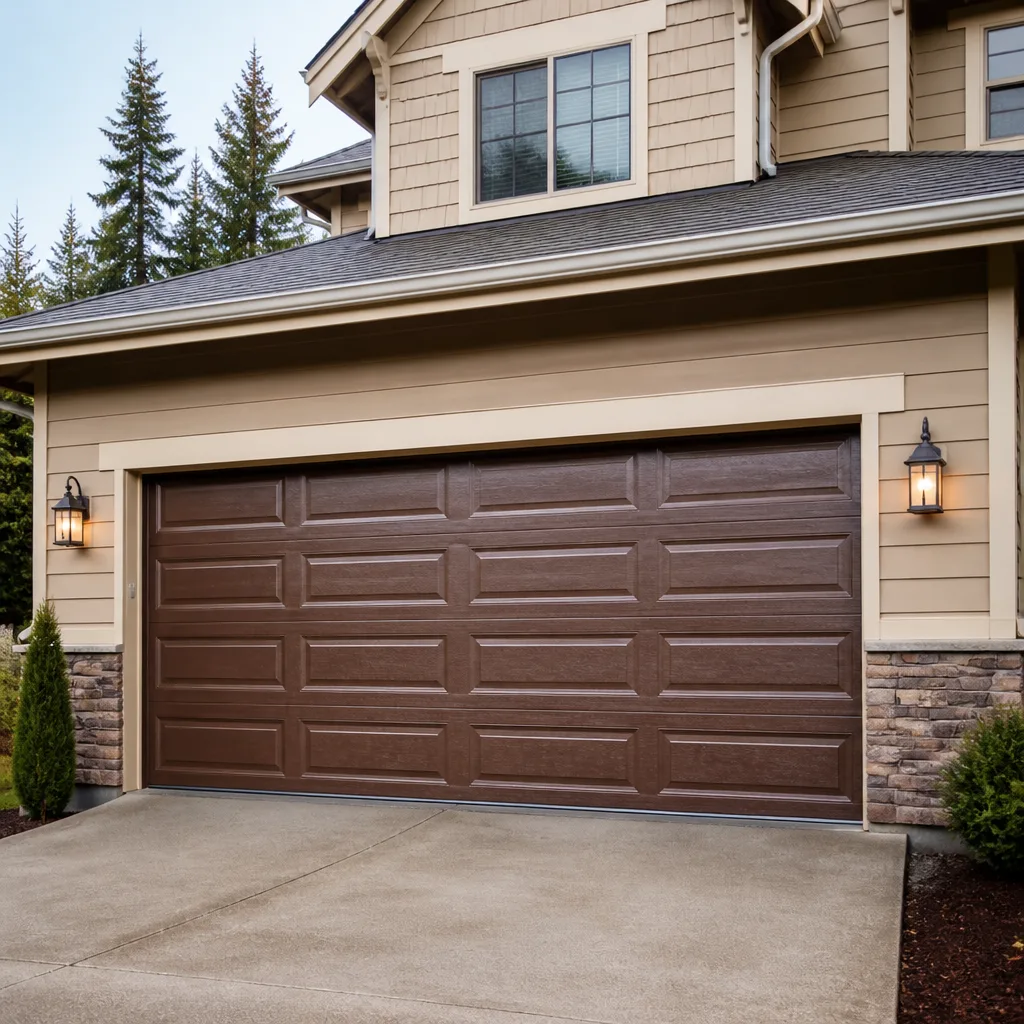 Raised-panel steel
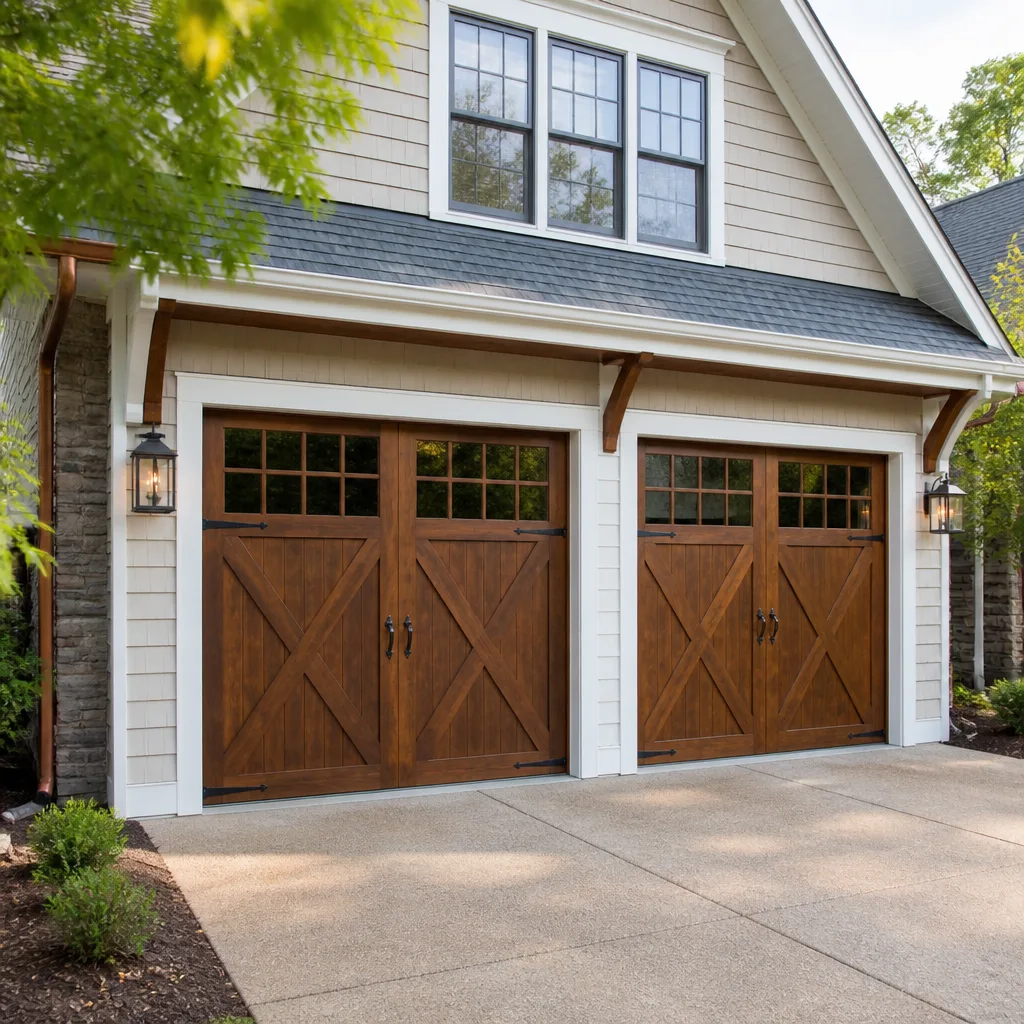 Carriage house
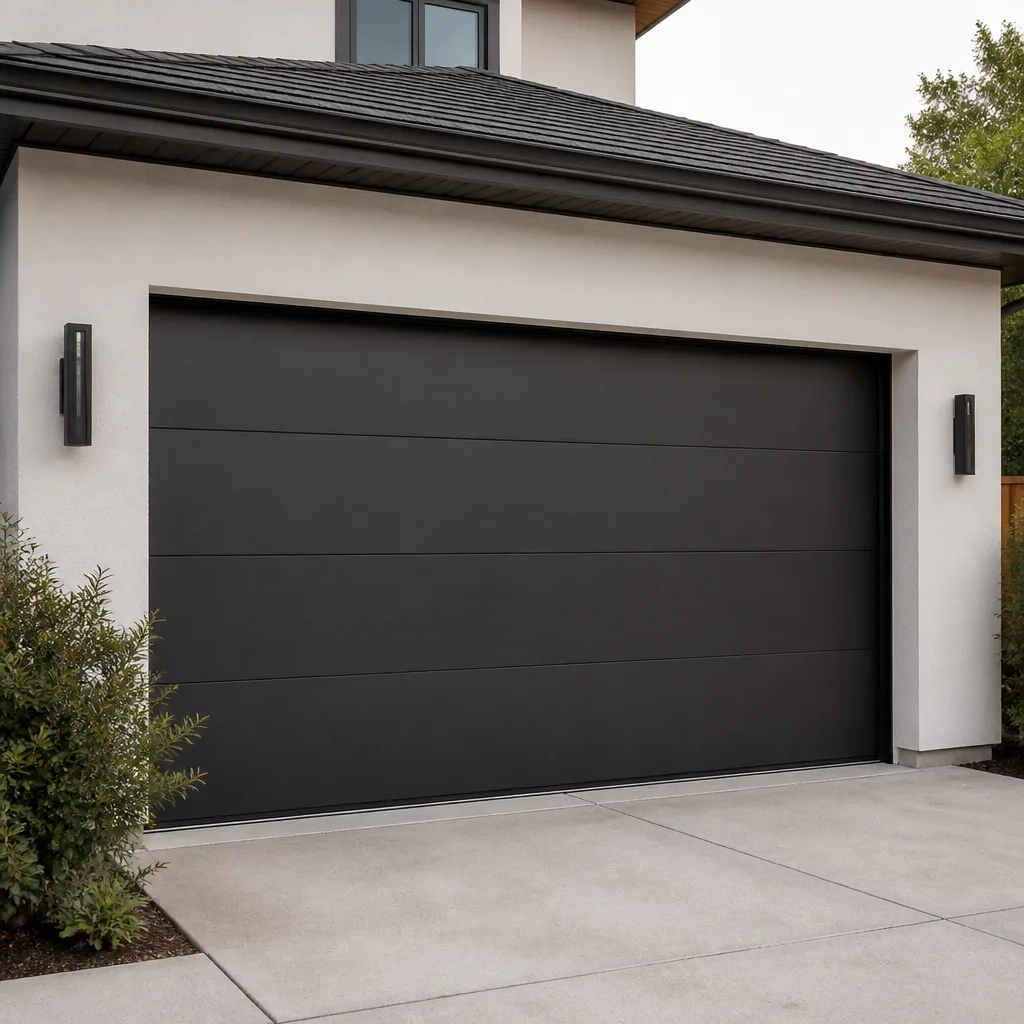 Modern flush
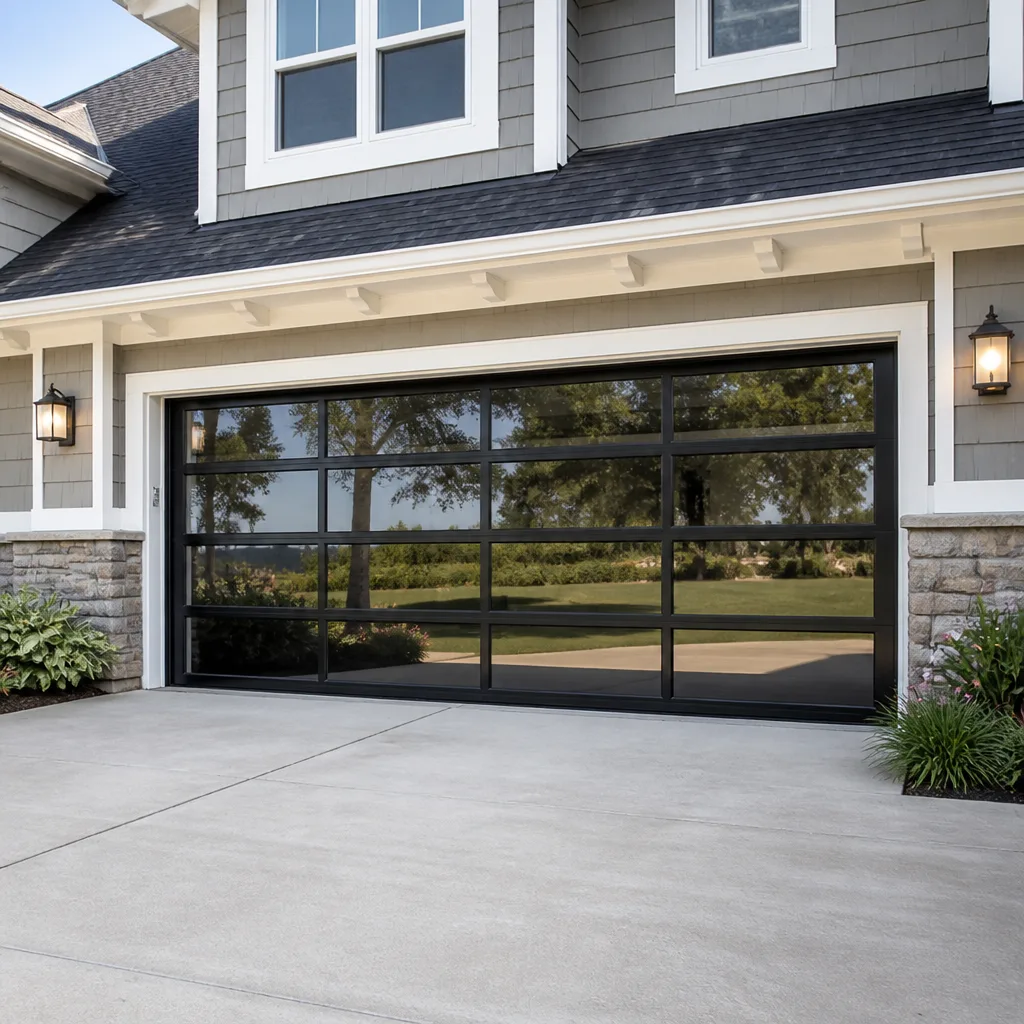 Full-view glass
 LiftMaster openers
 Chamberlain openers
Full 25-point door and opener safety check with every visit - springs, cables, rollers, tracks, and your LiftMaster or Chamberlain opener included
You get a price before we start. It does not change when the pro arrives.
Get your free estimateGarage Door Warning Signs: A Cottage Grove Homeowner’s Reference Guide
A garage door that opens slower than it did six months ago isn’t “getting old.” It’s telling you the spring tension is off and the opener motor is compensating by working harder than it was designed to. That distinction matters, because a motor pushed past its design load fails earlier than it should, and a spring that’s lost tension can snap. Most homeowners ignore these signals because the door still opens. It does – until it doesn’t. This guide teaches you to read the sounds, timing shifts, and visual gaps the way a technician does, so a small cable adjustment stays a small cable adjustment. We’ll cover what each noise points to, which issues are stable, which are on a countdown, and why Cottage Grove winters make all of it louder.
Quick Answer
The main garage door warning signs are unusual sounds (grinding, popping, squealing, banging), an opener that runs slower or reverses on its own, and visual problems like daylight under the bottom seal or a bowed panel. Grinding usually points to rollers or tracks, popping to springs or cables, and squealing to dry or worn moving parts. Any sign that appeared suddenly, or that’s getting worse week to week, is the one to act on now.
Styles & brands we work with
- Raised-panel steel
- Carriage house
- Modern flush
- Full-view glass
- LiftMaster openers
- Chamberlain openers
Table of Contents
- A Sound-Based Diagnostic Index: What Each Noise Points To
- Visual Signs You Can Check From the Floor
- Opener Behavior Changes as Early Failure Signals
- “Annoying but Stable” vs. “This Will Fail Soon”
- Why Minnesota Cold Amplifies Warning Signs
- A Monthly Walkthrough for Cottage Grove Homeowners
- Common Mistakes to Avoid
- Frequently Asked Questions
A Sound-Based Diagnostic Index: What Each Noise Points To
Sound is the fastest diagnostic tool a technician has, and you can use it too. A garage door should run with a low, steady hum. Anything that breaks that hum is information. The trick is matching the noise to the component, because each part of the system fails in its own accent. Here’s how we map it.
Grinding
Grinding is a metal-on-metal sound, and it almost always comes from the rollers, the hinges, or the tracks. A roller with a worn bearing drags instead of rolling, and you hear the friction. A hinge that’s dry or seized grinds at each panel joint. A track that’s been knocked slightly out of line makes the rollers scrape the rail as the door travels. Grinding tends to build slowly, which is why it’s easy to tune out. It’s also the cheapest category to fix early – lubrication and a roller replacement are minor jobs, while a misaligned track left alone can wear the door’s hardware and eventually bind the whole system.
Popping
A single loud pop, especially when the door starts to open or reaches the top, points to the springs or cables. Torsion springs under a coil or extension springs along the track are under heavy load every time the door moves. Popping can mean a spring is starting to fail or a cable has slipped a drum. Treat popping as urgent. This is exactly the kind of signal that should send you to garage door spring repair before a spring breaks and drops the door.
Squealing
Squealing is high-pitched and usually continuous while the door is moving. It’s the sound of two surfaces that should be lubricated rubbing dry – typically rollers, hinges, or the opener’s rail and trolley. Squealing is often the least serious warning, but it’s also the one that tells you maintenance has been skipped. Left long enough, dry parts wear faster and turn a squeal into a grind. In our experience, a door that squeals through a Cottage Grove winter is a door that skipped its fall lubrication.
Banging
Banging is a heavy, rhythmic thud, and it usually means something is loose: a hinge bolt backing out, a bracket that’s worked free from the frame, or the door itself slamming at the end of its travel because the opener’s force or limit settings are off. Banging is a structural warning. Loose mounting hardware transmits shock into the door panels and the frame, and that shock compounds. If you hear banging, stop running the door until someone looks at it.
Visual Signs You Can Check From the Floor
You don’t need a ladder to catch the most important visual warning signs. Most of them show up at eye level or on the floor, which makes them easy to check in a minute. Here’s what to look for and what each one means.
Daylight Under the Bottom Seal
Close the door and look at the bottom edge from inside. If you can see daylight between the seal and the floor – a gap that wasn’t there before – the door’s travel or alignment has shifted. Sometimes the seal itself is worn or compressed. Sometimes the door is stopping slightly high because a limit setting drifted. A persistent gap lets cold air, water, and pests in, and in Cottage Grove’s winters that gap is also where snowmelt and ice creep under. A gap at one end but not the other usually points to an uneven track or a bent panel.
Uneven Bottom Seal Contact
Look at how the seal meets the floor across the full width. It should press evenly, like a closed book. If one side is squashed and the other is barely touching, the door is out of level. That can come from a track that shifted, a hinge that bent, or a spring that’s no longer lifting both sides equally.
Panel Bow and Cracks
Stand back and look at the door face straight on. A bowed panel curves in or out across its width. A cracked or split panel shows a line or separation you can see in the paint. Bowing usually means the door has been stressed – a car bump, a mis-hit opener, or a spring imbalance pushing unevenly. Cracked panels weaken the whole door’s structure.
Track Alignment
Look down the vertical tracks on each side. They should be straight and parallel. A dent, a kink, or a track that’s pulled away from the wall at one bracket is a clear warning. A bent vertical track forces the rollers to fight their way up, which stresses the opener and the springs at once.
Cable Condition
The cables run along each side of the door. Look for fraying, kinks, or a cable that’s come off its drum. Frayed cables are a serious sign – a cable under tension can whip if it snaps. If you see fraying, don’t run the door. Call a professional.
Opener Behavior Changes as Early Failure Signals
The opener is the part of the system you interact with every day, so changes in how it behaves are some of the earliest warnings you’ll get. The door still opens, which is why these signals get dismissed – but they’re worth reading closely. A LiftMaster or Chamberlain unit that’s been running smoothly for years doesn’t suddenly change its rhythm for no reason.
- Slower cycle times. If the door takes noticeably longer to open or close than it used to, the opener is working against more resistance than it was designed for. That resistance usually comes from a spring that’s lost tension, a binding track, or dry rollers. The motor runs hotter and wears faster when it has to compensate.
- Reversal errors. A door that reverses partway down for no visible reason, or reverses when nothing is in its path, has a safety sensor or limit problem. The sensors are the two small eyes near the floor on each side of the door. If they’re misaligned, dirty, or blocked, the opener stops the door as a safety default. A limit setting that’s drifted can also trigger this.
- Remote range drop-off. If you have to be closer to the door for the remote to work, or you have to press it twice, the opener’s receiver or the remote battery is weakening. Range loss can also come from interference, but a steady decline over weeks points to the opener’s electronics.
- Straining sounds or a warm motor housing. If the opener sounds labored or the motor housing feels unusually warm after a cycle, it’s overworking. That’s a load problem – usually the door, not the opener itself – and it’s worth diagnosing before the motor gives out.
- Partial or jerky travel. A door that opens partway then stops, or moves in jerky increments, has a force or limit setting that’s off or a mechanical bind. Either way, it needs attention.
If any of these show up, the opener may not be the failing part. It’s often the messenger. That’s why garage door opener repair starts with a full system check, not a parts swap. We work on the brand you already have – Craftsman, LiftMaster, Chamberlain, and others – so you’re not pushed toward a replacement you don’t need.
“Annoying but Stable” vs. “This Will Fail Soon”
Not every warning sign is an emergency. The goal of reading signals is to sort them, so you spend money on what actually matters and leave the rest for next season. Here’s how we think about the categories.
Annoying but stable
- A consistent squeal that hasn’t changed volume or timing in months.
- A remote that needs a fresh battery or a slightly closer press.
- A minor cosmetic panel scuff or a small paint chip.
- A slow, steady grind that’s been the same for a long time – worth a lubrication and inspection, but not a crisis.
These are maintenance items. They should be scheduled, but they aren’t going to leave you locked out tomorrow.
Countdown to failure
- Any popping or banging, especially at open or start.
- A door that suddenly runs slower than it did last month.
- Daylight showing under one end of the bottom seal that wasn’t there before.
- A panel that’s bowing or a track that’s visibly bent.
- Frayed cables or a cable that’s off its drum.
- An opener that reverses on its own or needs repeated presses to travel.
These signs mean something has changed and is likely getting worse. A cable adjustment caught at this stage is a small job. Left alone, that same cable fails and drops the door, and now you’re looking at a bigger repair. The right fix, not the easiest upsell, means addressing the actual component that’s failing, not just turning up the opener’s force setting to power through the resistance.
The rule of change
If a sign is new or getting worse, treat it as urgent. If it’s been the same for a long time, it’s a maintenance item. The date something appeared is often more revealing than the sign itself.
Why Minnesota Cold Amplifies Warning Signs
Garage door warning signs that would be subtle in a milder climate get loud in Cottage Grove. Cold changes the materials and the loads, and it exposes problems that were hiding in warm weather. This is why winter is when most homeowners finally notice what’s been building.
- Cold stiffens lubrication. Grease and oil thicken in low temperatures. Parts that glided in summer start dragging, and a quiet door becomes a squealing or grinding one. That’s the cold exposing a maintenance gap, not a sudden new failure.
- Metal contracts. Springs, tracks, and cables behave differently as they cool. A spring that was already near the end of its life cycle gets less forgiving, and track alignment can shift. Popping and banging are more likely to show up in the cold.
- Seals harden. The bottom seal becomes less pliable, so it doesn’t compress into small floor irregularities the way it did in summer. Gaps that were sealed by a soft rubber edge open up when the rubber stiffens. That lets cold air and snowmelt in.
- The opener works harder. Every stiff, cold part adds resistance, and the opener compensates. Cold mornings are when an overworked motor is most likely to reverse or stall. A door that struggles in January may have been borderline in October.
- Ice and snowmelt at the threshold. A gap under the seal lets water in, which refreezes and can warp the bottom of the door over a season. That’s a Cottage Grove-specific reason to fix a daylight gap before the next freeze.
In our experience, the technicians who know this climate also know which fixes last through it. Our technicians have up to 13 years of experience reading these cold-weather signals, and they see the same pattern every winter: small problems that stayed quiet through the summer get loud in the first hard freeze. That’s the moment to call, not the moment to wait and see.
A Monthly Walkthrough for Cottage Grove Homeowners
You can catch most warning signs in about five minutes a month. This is the same walkthrough we recommend during a routine visit. It’s a check, not a repair – you’re looking and listening, not adjusting springs or cables yourself.
- Listen from outside. Run the door up and down once. Stand a few feet back and listen for grinding, popping, squealing, or banging. Note anything new.
- Watch the travel. Time how long it takes to open. If it’s noticeably slower than last month, that’s a signal.
- Look at the bottom seal from inside. Close the door and check for daylight under the seal and uneven contact across the width.
- Check the tracks. Look down each vertical track for dents, kinks, or brackets pulled from the wall.
- Inspect cables and springs. Look for frayed cables, a cable off its drum, or springs that look worn. Do not touch a spring, and don’t try to adjust one – they’re under extreme load and can cause serious injury. If something looks wrong, stop and call a professional.
- Test the safety reverse. Place a small object in the door’s path and confirm the door reverses when it contacts it. If it doesn’t, that’s a safety issue to fix before the door runs again.
- Test the remotes and wall control. Press each remote from your normal distance. Note any drop-off in range or any button that needs a second press.
- Look at the door face. Stand back and check for panel bow, cracks, or splits.
Write down what you find and the date. A door that passes the walkthrough today but fails it next month is a different situation than one that’s been consistent for a year. The record tells you which is which. If your walkthrough turns up anything in the “countdown to failure” category, that’s the day to book a check – our garage door repair team schedules around what you’ve found.
Common Mistakes to Avoid
- Turning up the opener’s force setting to get past resistance. The force adjustment on most openers is a diagnostic tool, not a fix. Raising it to power through a binding door pushes the motor harder and can hide a spring or track problem until something breaks. Find the resistance and fix it instead.
- Ignoring the first winter squeal. In Cottage Grove, the first cold snap is when a lot of doors start making noise. Homeowners who wait until spring to address it spend the whole winter running a door that’s working harder than it should, which shortens the life of the parts doing the extra work.
- DIY spring work. Torsion and extension springs are high-tension components. The force stored in a spring can cause serious injury if it’s released without the right tools and training. Spring repair is one of those jobs to leave to a specialist.
- Confusing a cable adjustment with a cable replacement. A cable that’s slipped off its drum can sometimes be reset. A frayed or stretched cable needs to be replaced. A generalist might not know the difference, which is why the diagnosis matters as much as the repair.
- Assuming the opener is what’s broken. Many openers get replaced when the real problem is a spring, a track, or a bind. A brand-specific check – Craftsman, Chamberlain, Raynor, and the rest – tells you whether the opener is failing or just struggling against a mechanical problem.
- Skipping the monthly walkthrough. The walkthrough catches signs when they’re minor. A door that only gets looked at when it stops working is a door that went from a small maintenance item to an emergency.
- Letting a daylight gap sit through a freeze. Water gets under a gap, freezes, and warps the bottom of the door over the winter. In Cottage Grove, a gap that shows up in fall should be fixed before the first hard freeze.
See the difference
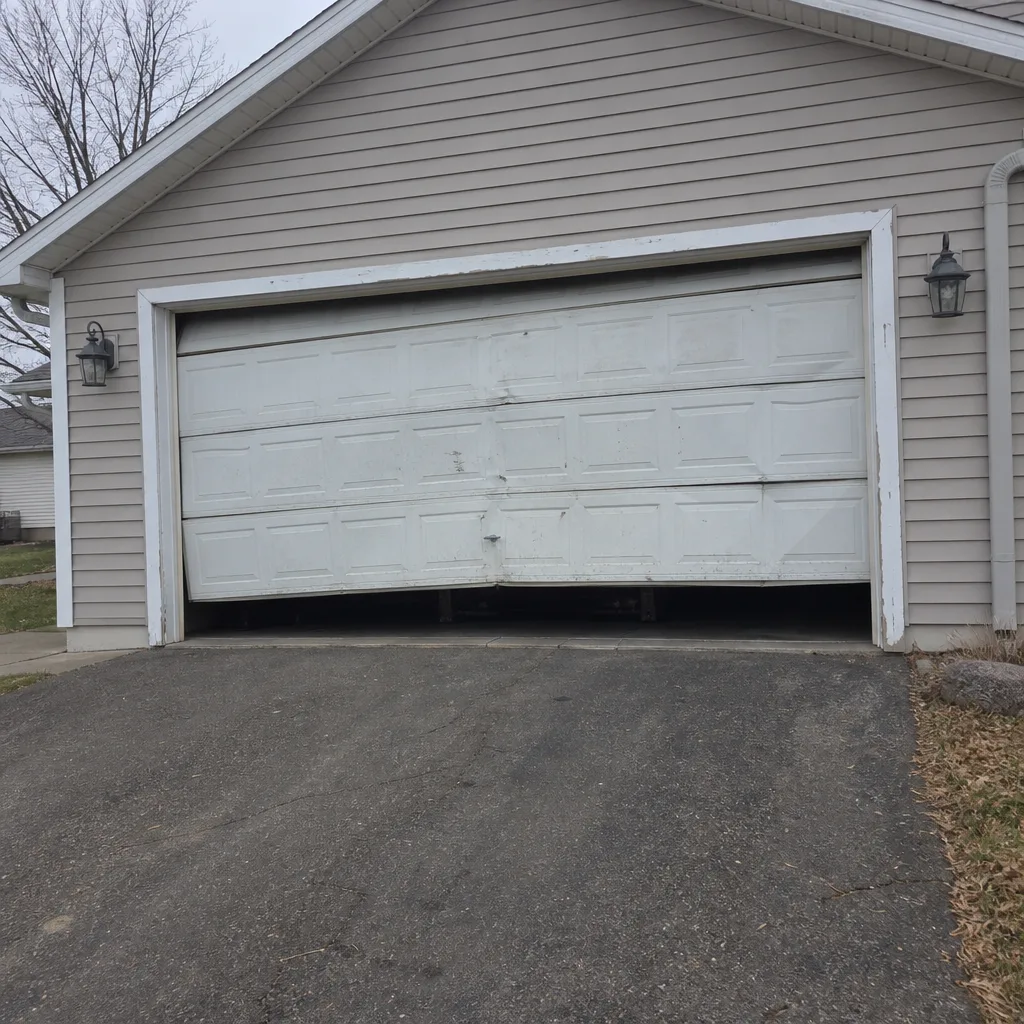 Before
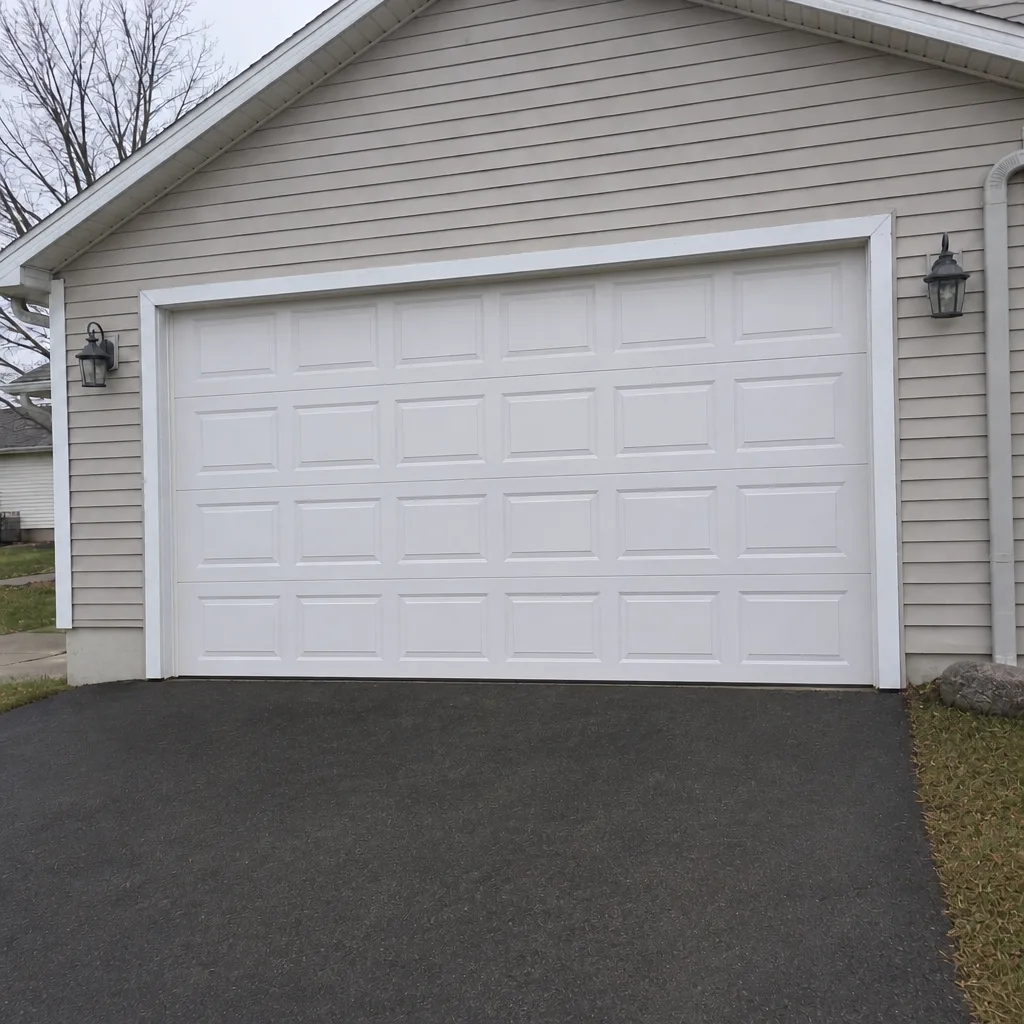 After
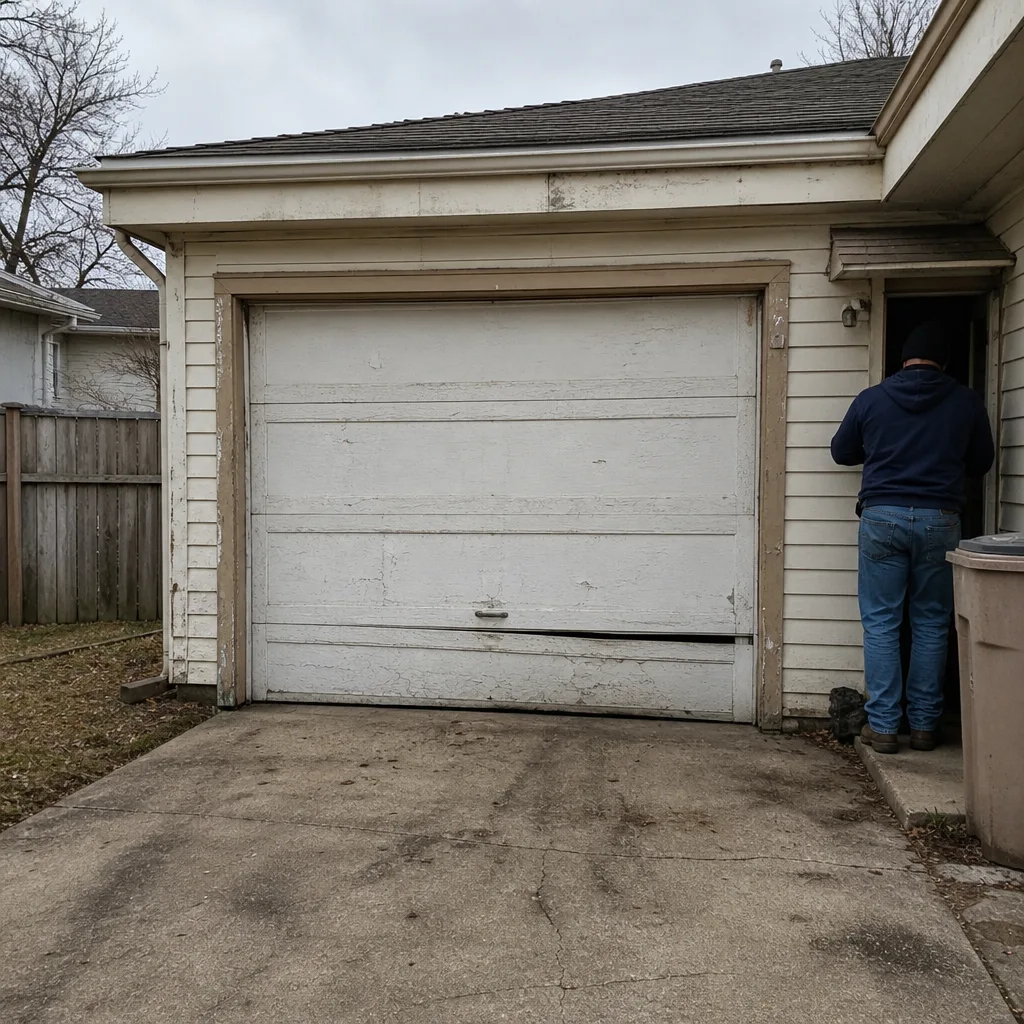 Before
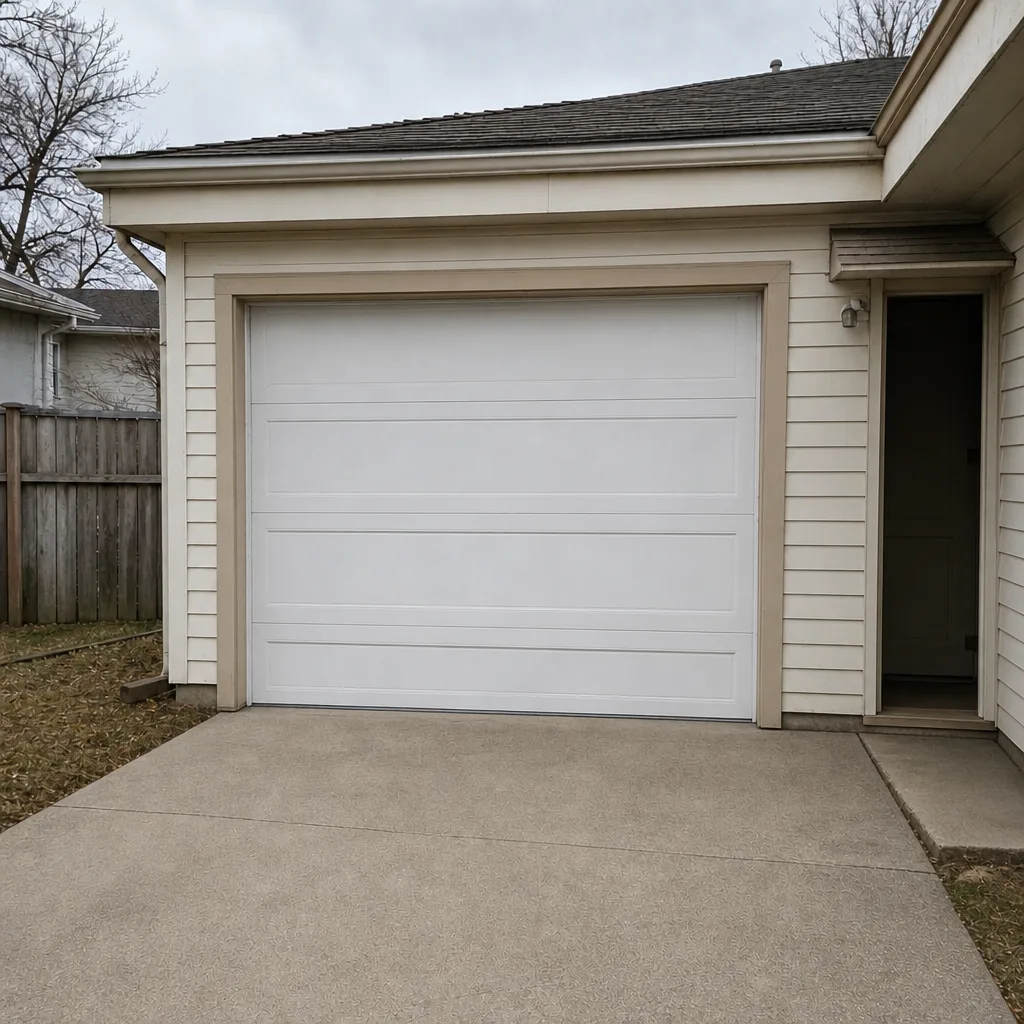 After
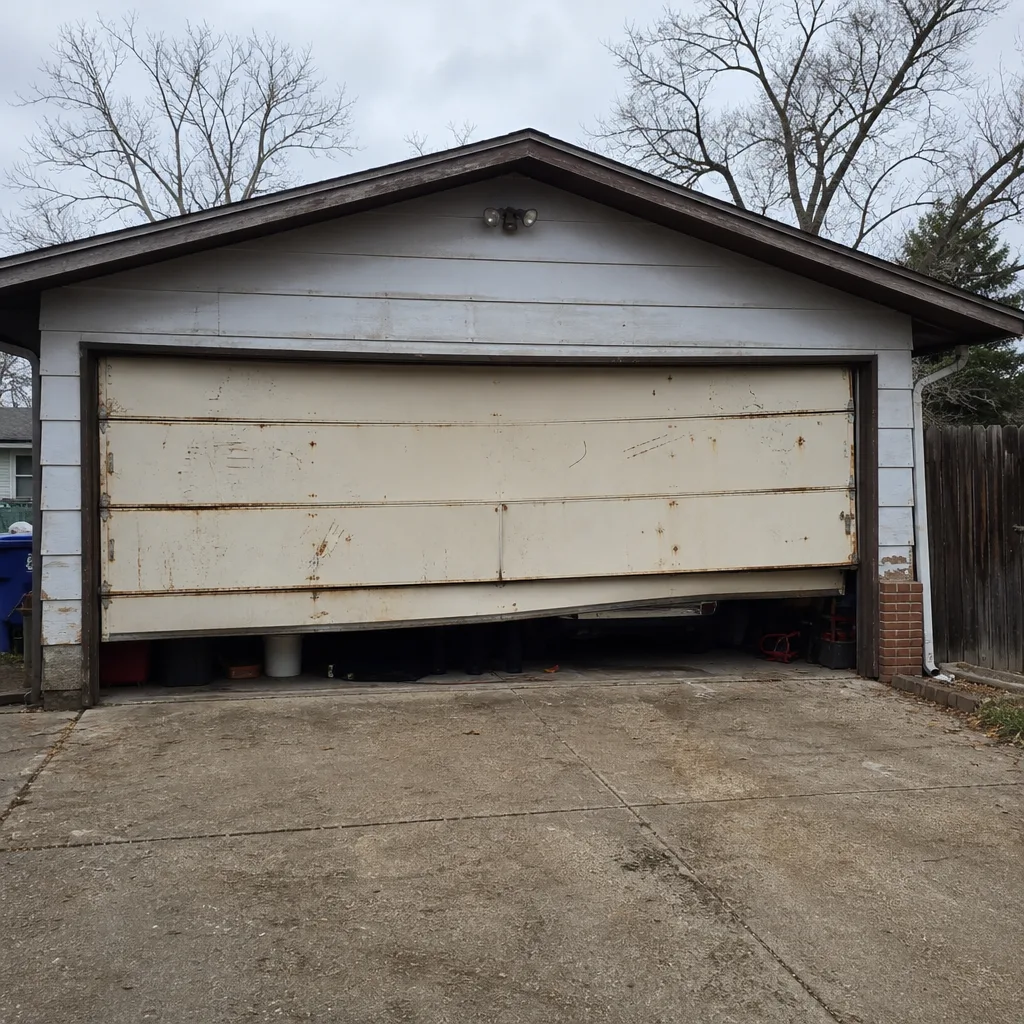 Before
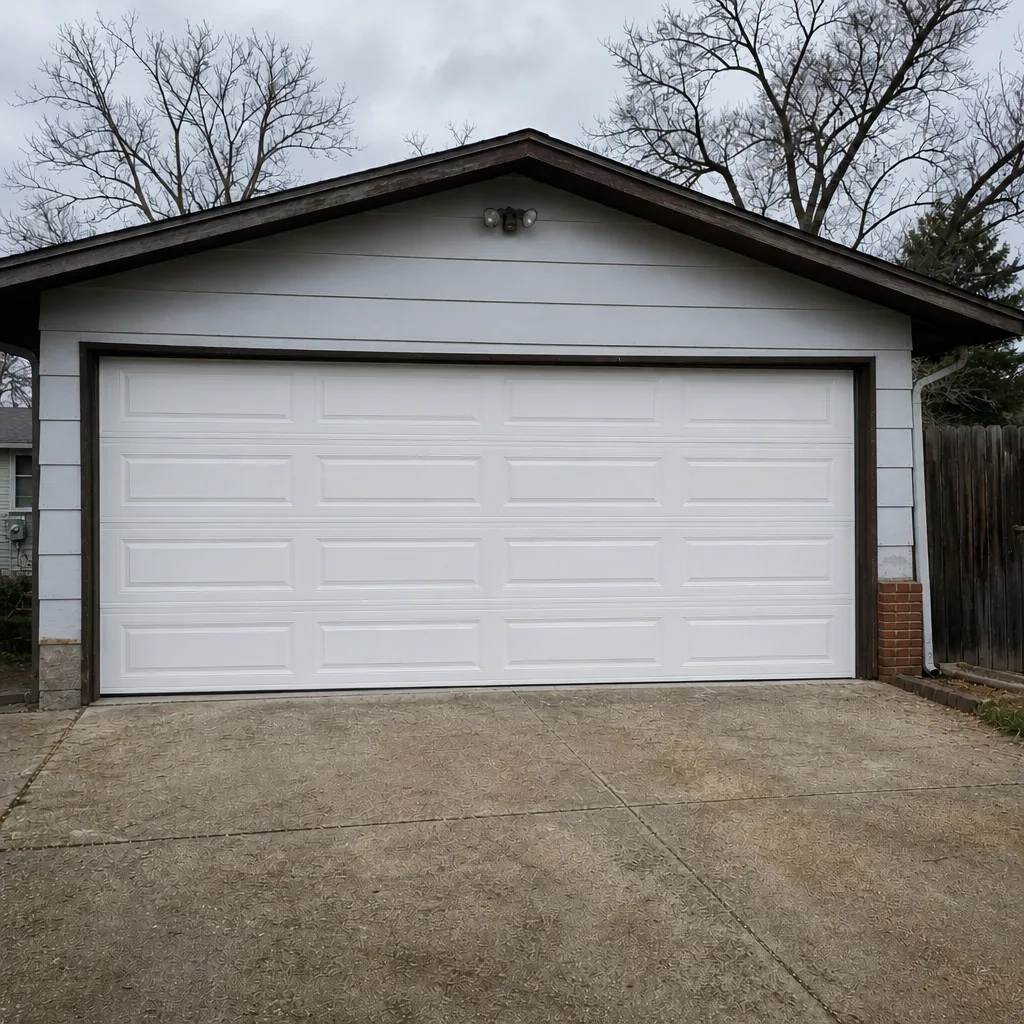 After
When to Call a Professional
Some warning signs are fine to note and schedule. Others need a call now. Call us the same day if you hear popping or banging, see frayed cables, notice a panel bowing or a track that’s visibly bent, find that the opener reverses on its own, or see daylight under one end of the seal where there wasn’t any before. These are the signs of a door that’s failing and could drop or jam. If a door is stuck, off its track, or leaving the garage unsecured, our emergency garage door service exists for exactly that situation.
Garage doors are all we do – repairs, openers, springs, and installations. That focus means we diagnose the actual failing part, not the most obvious one, and we quote the price before any work starts so you know the number before we pick up a tool. Garage Door Repair Cottage Grove offers free estimates in Cottage Grove. Call (833) 345-4676 to get a written price.
Frequently Asked Questions
The earliest signs are usually a slower cycle time, a new squeal or grind at the start or end of travel, and an opener that reverses on its own or needs a second press. Catching these early is what turns a small fix into a small fix instead of a bigger one. Call (833) 345-4676 for an exact quote – estimates are free.
Popping in cold weather usually points to a spring that’s lost tension or a cable that’s slipped, and the cold makes those parts less forgiving. Don’t keep running a door that pops. Call (833) 345-4676 for an exact quote – estimates are free.
A squeal alone is usually dry or worn rollers and hinges, which is a maintenance issue rather than an emergency. But squealing that turns into grinding, or that comes with a slower door, is a sign the system is working harder and worth a professional check. Call (833) 345-4676 for an exact quote – estimates are free.
Not necessarily. A slow opener is often compensating for a spring, track, or roller problem that has nothing to do with the opener itself. A brand-specific check – LiftMaster, Chamberlain, Craftsman, Raynor, and others – tells you whether the motor is failing or just overworked. Call (833) 345-4676 for an exact quote – estimates are free.
Daylight under the seal means the door’s travel or alignment has shifted, or the seal itself is worn or stiff in the cold. In Cottage Grove, a gap lets snowmelt in and can warp the door bottom over a winter, so fix it before the freeze rather than after. Call (833) 345-4676 for an exact quote – estimates are free.
Run a five-minute walkthrough once a month: listen for grinding, popping, squealing, or banging; time the travel; check for daylight under the seal; look at the tracks and cables; and test the safety reverse. You can spot the signs, but leave spring and cable adjustments to a technician. Call (833) 345-4676 for an exact quote – estimates are free.
The Bottom Line
Garage doors communicate through sound, timing, and visual gaps long before they stop working. Grinding points to rollers or tracks, popping to springs or cables, squealing to dry moving parts, and banging to loose hardware. A slower opener is a load problem, not just an old motor. The signs to act on now are the ones that are new or getting worse: popping, frayed cables, bowing panels, and daylight under the seal. In Cottage Grove, the first hard freeze turns subtle warning signs into obvious ones, so the weeks before winter matter. Read the signals early, and the fix stays small. Our team specializes in Garage Door Repair Cottage Grove for reading those signals right the first time.
Contact
If your walkthrough turned up something you want checked, or if the door’s already failing, call (833) 345-4676 for a free estimate. We’ll tell you what the signs point to, quote the price before any work starts, and schedule around the fix – whether that’s a repair today or a full new installation later. When the door won’t move, we move fast.
Written by the team at Garage Door Repair Cottage Grove.