Last updated November 23, 2026
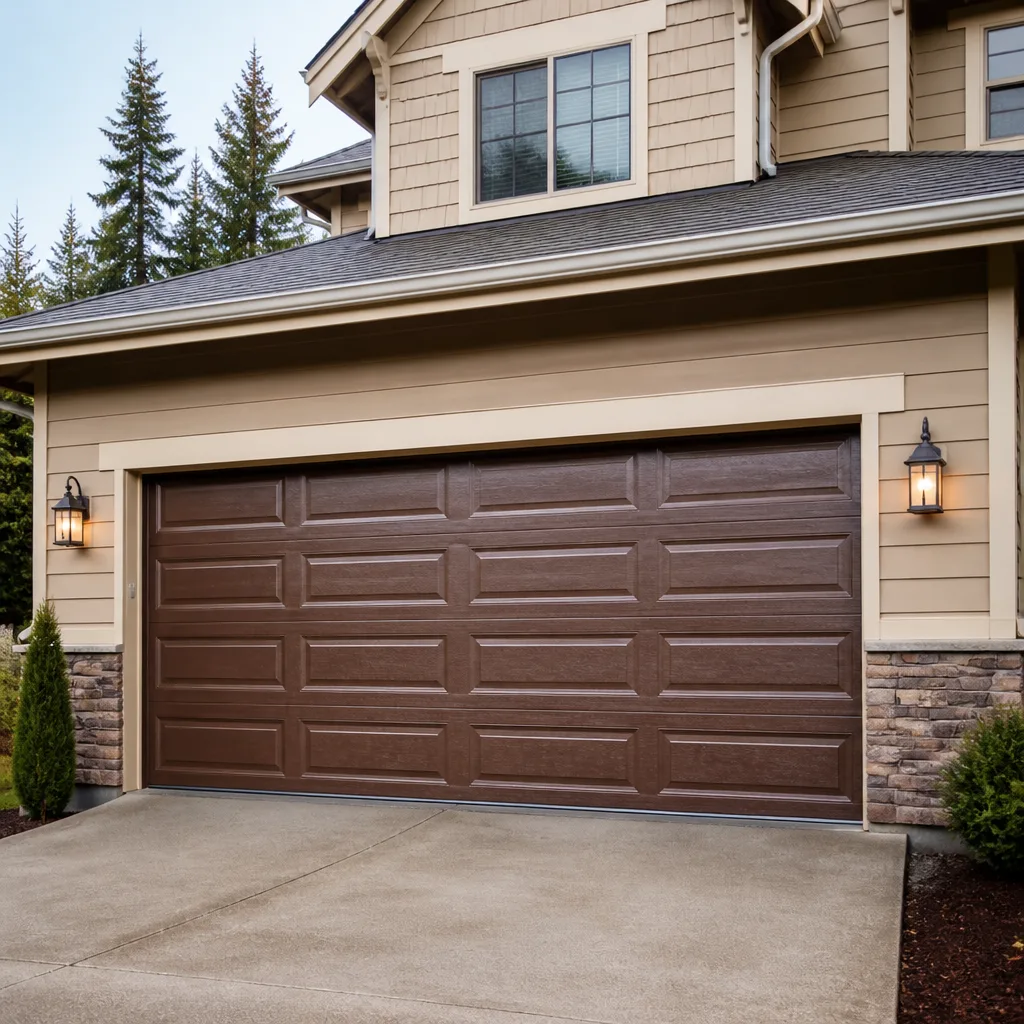 Raised-panel steel
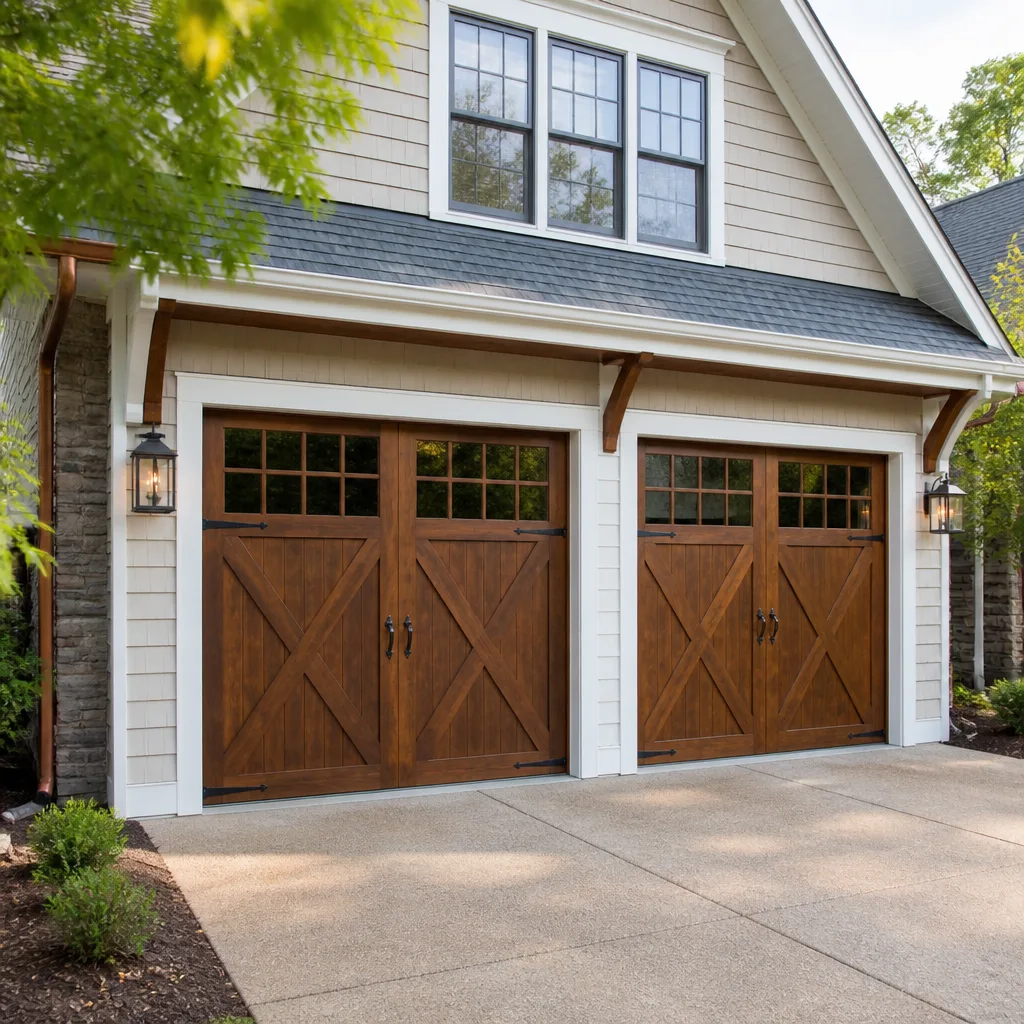 Carriage house
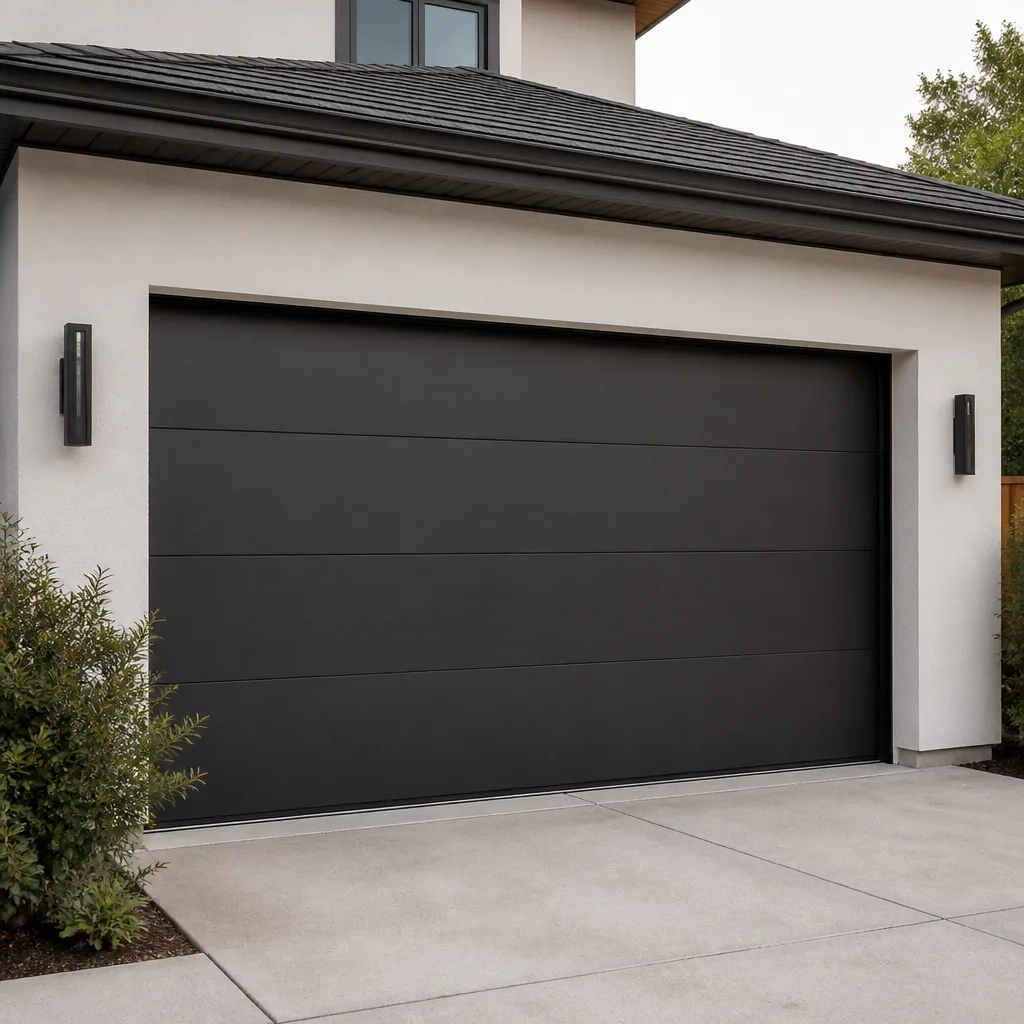 Modern flush
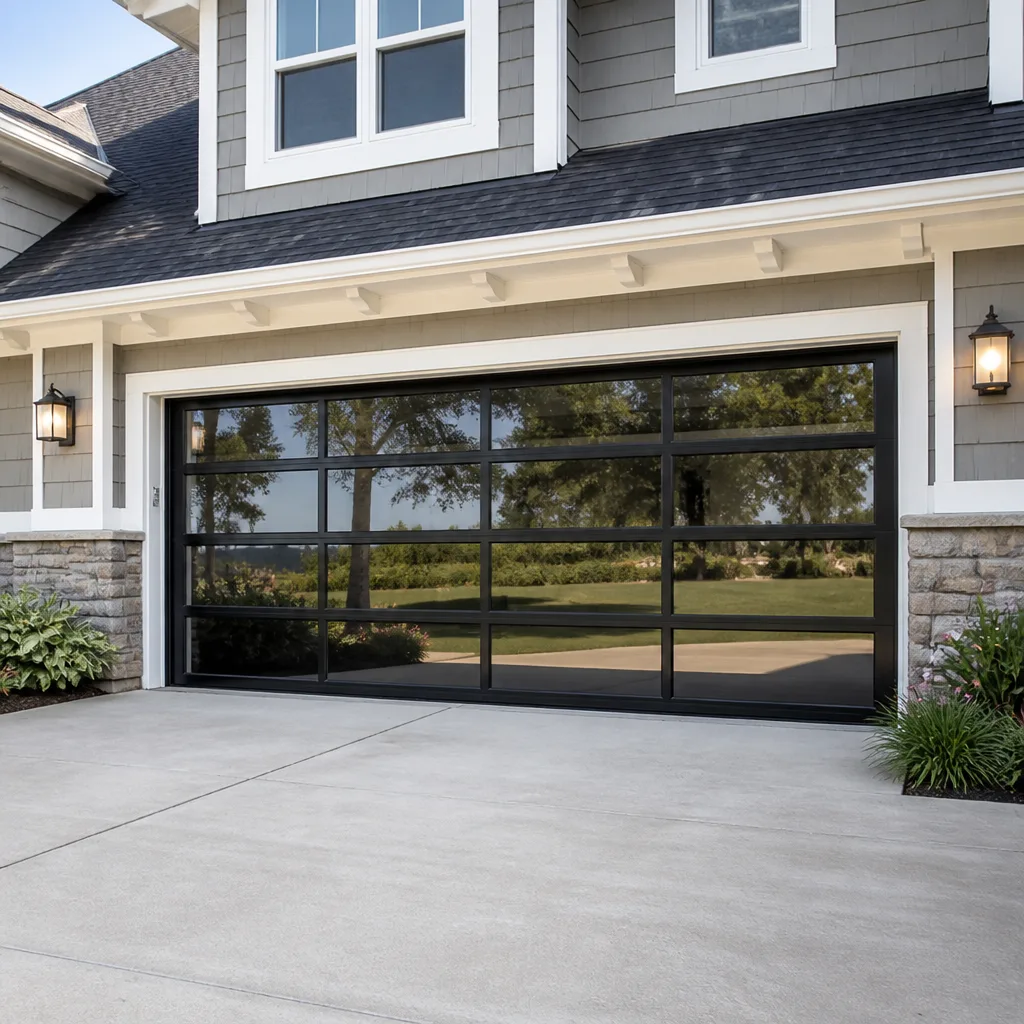 Full-view glass
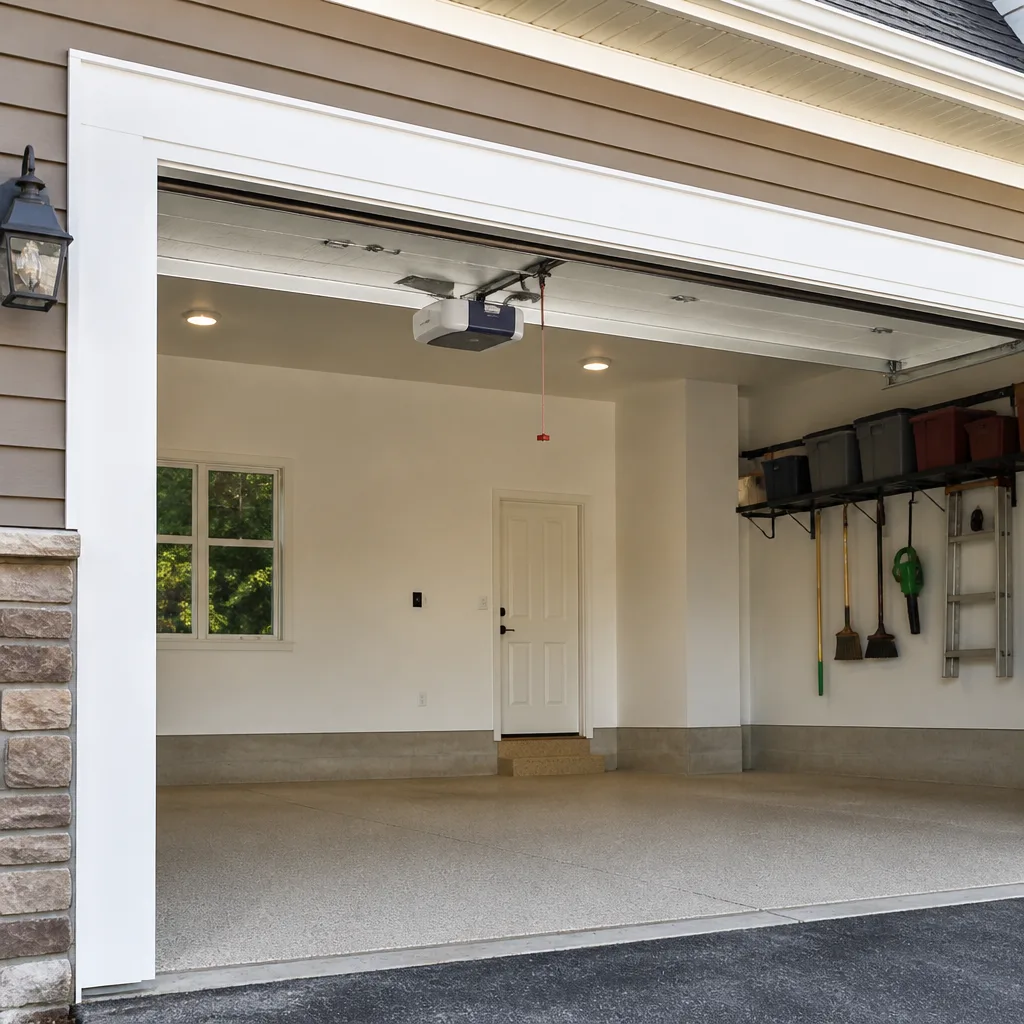 LiftMaster openers
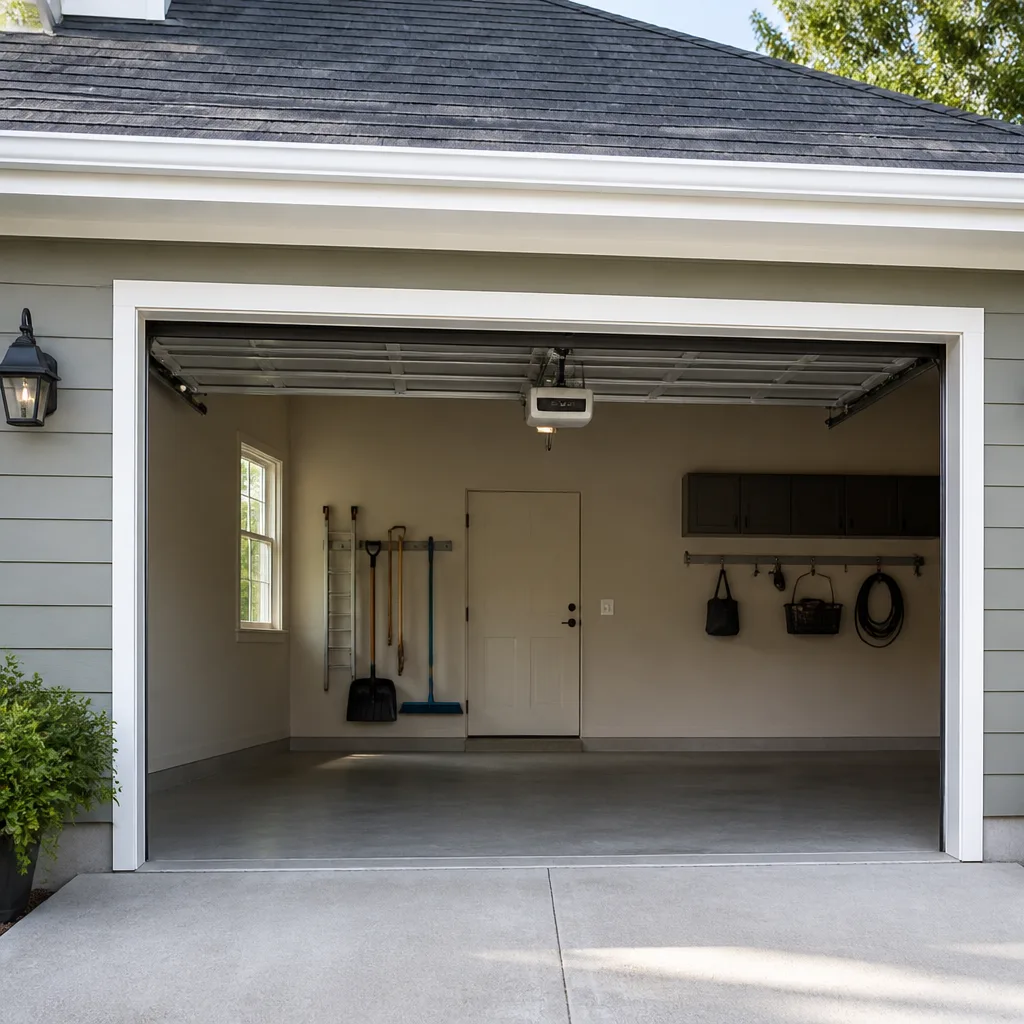 Chamberlain openers
Full 25-point door and opener safety check with every visit - springs, cables, rollers, tracks, and your LiftMaster or Chamberlain opener included
You get a price before we start. It does not change when the pro arrives.
Get your free estimateGarage Door Permits, Codes & Inspections in Cottage Grove, MN: What You Need to Know
Most homeowners assume a garage door replacement never needs a permit. In many cases around Cottage Grove, they’re right. But the exceptions in Washington County are the ones that come back to bite you: wind load ratings on a larger door, a header that gets modified during install, or a new opener wired to a fresh dedicated circuit. A garage door replacement that should have been permitted but wasn’t tends to stay invisible until you sell your house, and then it turns into a negotiating problem or a repair order you have to fix on the buyer’s timeline. This guide walks through when Cottage Grove and Washington County actually require a permit, which Minnesota code specs your new door has to meet, when an opener needs an electrical permit, what “like for like” really means, and how to clean up unpermitted work from a previous owner.
Quick Answer
A permit is usually required in Cottage Grove when garage work involves structural changes (header modifications, enlarged openings, height changes) or a new opener on a dedicated electrical circuit. A true like-for-like door swap in the same opening with no structural or electrical change usually does not require a building permit, but you should confirm with the city’s building department before work starts. The written quote should spell out who pulls any permits and what inspection is needed.
Styles & brands we work with
- Raised-panel steel
- Carriage house
- Modern flush
- Full-view glass
- LiftMaster openers
- Chamberlain openers
Table of Contents
- When Does a Garage Door Project Need a Permit in Cottage Grove?
- What “Like for Like” Means in Permit Terms
- Minnesota State Building Code: Wind Load and R-Value Requirements
- Does a New Opener Need an Electrical Permit?
- Header Modifications and Opening Size Changes
- How to Confirm or Fix Unpermitted Work From a Previous Owner
- What an Inspection Day Actually Looks Like
- Why This Matters for Insurance and Your Home Sale
When Does a Garage Door Project Need a Permit in Cottage Grove?
In Cottage Grove, a routine garage door replacement with the same opening dimensions and no structural or electrical changes typically does not require a building permit. A permit is usually triggered once the work moves beyond a straight swap: enlarging or shrinking the opening, changing the header, cutting new framing, or installing a new opener on a dedicated circuit. The city’s building department is the authority on any specific address, and a quick phone call before work begins is the safest path.
Here’s the split we see most often:
- No permit usually needed: replacing a same-size door in the same opening; replacing a torsion spring or cable; swapping a broken opener with a like replacement on an existing outlet; replacing panels, rollers or hinges.
- Permit usually required: changing the opening height or width; modifying or replacing the header; replacing the door with a heavier model that increases load on the framing; adding a new dedicated circuit for a new opener; attaching a new garage to the structure.
- Check with the city directly: replacing a door with a different wind load rating than the original; installing a door in a corner of the garage where a load-bearing post is involved; adding a second door where a wall used to be.
“Usually” is the operative word. Cottage Grove has grown significantly in recent decades and its housing stock spans decades of building practices, from older homes near the city’s original core to newer construction out toward the east side. A permit that applied to one era of home may not apply to another, and the building department knows which is which for a specific address. Confirm before you sign anything.
What “Like for Like” Means in Permit Terms
“Like for like” means you’re replacing a door with one of the same size, weight class, operation type and wind load rating, installed in the same opening using the same anchoring method. When the swap meets all four of those, most jurisdictions, including Cottage Grove, treat it as maintenance rather than construction and skip the building permit.
The definition breaks down the moment one variable changes:
- Size change: going from an 8-foot to a 9-foot door, or raising the opening height, changes the load path and framing. That’s no longer like for like.
- Weight class change: a heavier insulated door where a hollow steel or wood door used to be increases load on the springs, anchors and framing. A heavier door almost always needs a permit and a spec review.
- Operation change: switching from a manual door to an automatic one, or from extension springs to torsion springs on a replaced door, can affect the header and structural attachment.
- Wind rating change: going from a lighter-rated door to one with a different wind load rating matters if the home is in an area where the rating is part of the original design (more on that below).
- Anchor method change: if new anchors, brackets or angles are added to framing rather than reusing existing attachment points, the job is no longer cosmetic.
When any of those five changes apply, treat it as a permitted project. That includes situations where the door looks like the same size but the new model has a different rated weight or a different rated wind load. Amarr and Wayne Dalton both publish the wind load ratings on their model literature, and a Cottage Grove installer should be able to hand you that spec sheet alongside the estimate so the building department can review it without a back-and-forth.
If you’re planning a replacement and you’re not sure which side of the line your project sits on, that’s the kind of thing to settle before you commit. We handle replacements across the full range, and our team can tell you exactly which spec sheets and permit forms a given project will need. For straight swaps and repairs, see our garage door repair page.
Minnesota State Building Code: Wind Load and R-Value Requirements
New garage door installations in Cottage Grove are governed by the Minnesota State Building Code, which adopts model codes with state amendments. Two specs the code cares about most for garage doors are wind load and thermal performance (R-value). Both are the specs that determine whether a door passes inspection, and both are the specs that are hardest for a homeowner to verify without some help.
Wind load. Residential garage doors have a rated design pressure measured in pounds per square foot, tested and labeled by the manufacturer. The engineering requirement at a specific address depends on the local design wind speed, the exposure category of the site, and the height of the building. A door with an insufficient rating can fail inspection, and worse, can fail under load. If your project involves a permit for a replacement, the door model you choose has to carry a rating that matches the engineer’s requirement for that address. The manufacturer’s spec sheet, not the showroom display, is what the inspector reads.
R-value. Minnesota’s energy code sets minimum thermal performance requirements for the building envelope, including the wall separating a conditioned house from an unconditioned garage. An attached garage wall is part of the envelope. The garage door itself sits outside that wall, but a well-insulated door supports the envelope performance, and a heavier insulated door can change the spring, anchor and framing load. R-value is printed on the manufacturer’s label. If you want the door to actually help the energy picture, an insulated model with a rated R-value is the one to specify; that choice also affects the permit calculation if the door is heavier than what it replaces.
In practical terms, the deliverables the city wants to see for a permitted replacement are usually:
- The manufacturer’s spec sheet with the wind load rating and R-value labeled.
- A drawing or product description showing the door size and opening dimensions.
- The installation instructions for the anchor and bracket method.
- Any structural details if the header or framing changes.
The exact submission package depends on the project and the reviewer; ask the Cottage Grove building department what they want before you file. Plenty of replacement estimates never mention any of this, which is part of why we lay it out on the front end. Doors from Clopay, Amarr and Raynor all carry published ratings, and we can gather the spec sheet for any model you’re considering.
Does a New Opener Need an Electrical Permit?
Sometimes. A garage door opener plugged into an existing outlet in the ceiling of the garage is a plug-in appliance, and plugging one in doesn’t need an electrical permit. But a new opener that requires a dedicated circuit, a new outlet, or a run of new wiring from the panel to the opener is electrical work, and under the Minnesota Electrical Code it requires a permit from the jurisdiction that issues electrical permits for the address. Cottage Grove issues its own permits for most residential electrical work, but confirm with the city since jurisdictions vary on scope.
Here are the situations where a new opener can trip the electrical permit requirement:
- No existing outlet where the opener needs to go. If the ceiling has no receptacle, one has to be installed, which is electrical work.
- Existing outlet is on a shared circuit already carrying too much load. A new dedicated circuit may be needed, and that’s an electrical permit.
- The panel has to be touched. Adding a breaker, running a new circuit, or upgrading a panel is permitted work under the electrical code.
- Low-voltage safety sensors and wall controls wired through new runs. Depending on how the opener is wired and what the existing system looks like, the low-voltage side can also be part of the permitted scope.
An opener replacement that uses the same outlet, same circuit and same wiring as the one being removed usually doesn’t need an electrical permit. That’s the swap we do most often for LiftMaster, Chamberlain, Genie and Craftsman openers, and it’s a clean, straightforward job. When electrical work is needed, we’ll tell you up front and coordinate the scope so the electrical piece gets done by a licensed electrician on a permitted basis. For opener replacements specifically, see our garage door opener repair page.
Header Modifications and Opening Size Changes
Changing the size of the garage door opening is the single biggest reason a permit becomes mandatory in Cottage Grove. The header is the structural beam above the opening that carries the load of the wall above and, on a load-bearing wall, part of the roof load. Cut into it, replace it with a different size or species, or change the opening dimensions, and the framing has to be engineered and inspected.
The common scenarios that trigger a structural permit:
- Raising the opening height to fit a taller door (say, to gain clearance for a taller vehicle or a camper). The header moves up and the framing above it changes.
- Widening the opening for a wider door or a double door where a single used to be. The header span increases and the jack studs and king studs are relocated.
- Replacing wood framing with engineered lumber or steel. The header material changes, and the connection details on either end have to be specified.
- Removing a structural post between two doors to combine them into one opening. Load path changes at the roof line.
- Adding a new door in a wall where there wasn’t one. That’s a new opening through the wall and the framing around it.
Each of these scenarios means an engineer’s details, a permit, and at least one framing inspection before the door goes on. The inspection happens while the framing is open, so the sequence matters: demolition, framing, inspection, door install. Skipping the sequence is the most common way a well-meaning homeowner ends up with a door that has to be pulled off to pass a framing inspection the buyer demands.
If you’re going through a project like this and you’re not sure what the framing inspection needs to see, we can walk your installer or your contractor through the door side of the sequence so nothing gets reinstalled before the inspector signs off. For structural header work we don’t do the framing; we install the door once the framing and inspection are cleared.
How to Confirm or Fix Unpermitted Work From a Previous Owner
If you suspect a previous owner replaced a door or enlarged the opening without a permit, the first step is a records request with the City of Cottage Grove. Most cities keep permit history on file for a property, and a records request will either show a permit and inspection for the work or confirm that none was pulled. That record search is the starting point for everything that follows.
The process, in order:
- Request permit history from the City of Cottage Grove. Ask specifically for garage-related building and electrical permits on your address, and request copies of any inspection sign-offs.
- Compare the record to the door that’s actually on the house. Wrong size, wrong model, different anchor layout, or an opener on an unpermitted circuit are the usual flags.
- Ask the city what it takes to retroactively permit the work. Depending on what was done, you may be able to pull a permit now and have the existing work inspected, or you may be required to open up framing so an inspector can see it.
- Get a licensed installer to document what’s there. A written observation with the door’s manufacturer label, wind load rating, anchor type and opener circuit description gives the city something concrete to review.
- Prepare to bring the work into compliance if the inspection fails. Sometimes the fix is minor (correct anchor bolts, correct opener circuit); sometimes the door itself doesn’t meet the spec needed and has to be replaced.
We’ve walked Cottage Grove homeowners through this process before, and the honest answer is that it depends heavily on what the prior work actually was and how it was done. A like-for-like door swap that never got a permit usually just needs a record conversation. A header modification that never got a framing inspection can require opening the wall back up. Getting a professional pair of eyes on it before you call the city is worth the time, because it lets you speak to what’s actually there instead of guessing.
Springs and cables are the other place unpermitted DIY work tends to show up: a previous owner tries a spring replacement, the door gets unbalanced, the anchors get stressed. Torsion and extension springs are under an enormous amount of stored energy, and a spring that fails while being handled can cause serious injury. We handle that repair and can flag any structural fallout from a bad install at the same time. See our garage door spring repair page for the safety details.
What an Inspection Day Actually Looks Like
An inspection on a permitted garage door project is short, but specific. The inspector is typically confirming four things: that the door installed matches the permitted drawings, that its wind load rating and R-value match what was submitted, that the anchoring is done as specified, and, on a framing permit, that the header and framing are correct before the door is hung.
What to have ready:
- The approved permit and any approved plan set on site.
- The manufacturer spec sheet for the door, with wind rating and R-value visible.
- The installation instructions that came with the door, showing the anchor and bracket method used.
- For an electrical permit, the circuit description and the electrician’s sign-off.
In our experience the most common inspection snag is a door spec that doesn’t match what was permitted (different model, different rating), or an anchor layout that was changed on install without updating the plan. Both are fixable, but both cost time. We install doors to the permitted spec and keep the paperwork on hand so the inspection clears on the first visit whenever possible. Doors from Raynor and Wayne Dalton ship with detailed spec sheets, and we keep those attached to the job file so they’re available on inspection day.
The best way to avoid an inspection surprise is to have the door sized, modeled and specified before the permit is filed, not after. That’s a ten-minute conversation up front, and it’s the one thing that most cleanly separates a smooth permitted project from a slow one.
Why This Matters for Insurance and Your Home Sale
Unpermitted garage door work is invisible until it isn’t. Two places it surfaces: when a buyer’s inspector notes it during a home sale, or when an insurance claim touches the garage and the adjuster asks for the permit history. Neither is a catastrophe on its own, but both put the timeline in someone else’s hands, and that’s the worst way to find out you have a problem.
On the sale side, the usual chain looks like this:
- A buyer’s inspector flags a garage door or opener as newer than the home’s permit record shows.
- The buyer’s agent asks for proof of permit or a price reduction.
- You either produce the permit or accept the reduction and hope the buyer doesn’t walk.
- If you produce it late, the timeline shifts onto the closing contract, which usually can’t slip cleanly.
On the insurance side, the claim question is narrower but more direct: did the door and opener meet code at the time of installation? A door that never met the wind load rating can complicate a storm-damage claim. A door that never met code can also be excluded if the adjuster determines the loss was caused by a noncompliant installation.
The cleanest protection is a permit trail for anything that wasn’t a straight like-for-like swap, and the second cleanest is a professional assessment on record. If you’re getting ready to list a Cottage Grove home, one call to confirm the permit status of the garage door and opener is worth more than a weekend of trying to remember what the previous owner did. We handle the door side of that conversation, and we can tell you exactly what we see and what the paperwork should say.
Common Mistakes to Avoid
- Assuming a replacement never needs a permit. A like-for-like swap usually doesn’t, but a size change, a heavier model, a new opener circuit or a header modification almost always does. Know which one you’re doing.
- Changing the door model on install day without updating the permit. The plan set has a specific model, rating and anchor method. Swapping in a different door the day of install is the single most common inspection fail we see.
- Using a plug-in opener on a shared circuit and calling it done. If the circuit was already near its load, a dedicated circuit and an electrical permit are the right path, not a workaround.
- Treating “same size” as “like for like.” A same-size door in a heavier weight class isn’t like for like; it changes the spring load, the anchors and sometimes the framing.
- Not bothering to check permit history before buying a Cottage Grove home. A records request is cheap, and a clean permit history on the garage is one less surprise on closing day.
- Handling a prior-owner spring job or unpermitted install without a professional look. Torsion and extension springs under load can cause serious injury, and an unbalanced door stresses the framing. Let a trained technician flag what’s wrong before you touch it.
- Skipping the records conversation and just “fixing it quietly.” Retroactive fixes need a paper trail if the work is ever questioned. Start with the City of Cottage Grove, not the saw.
See the difference
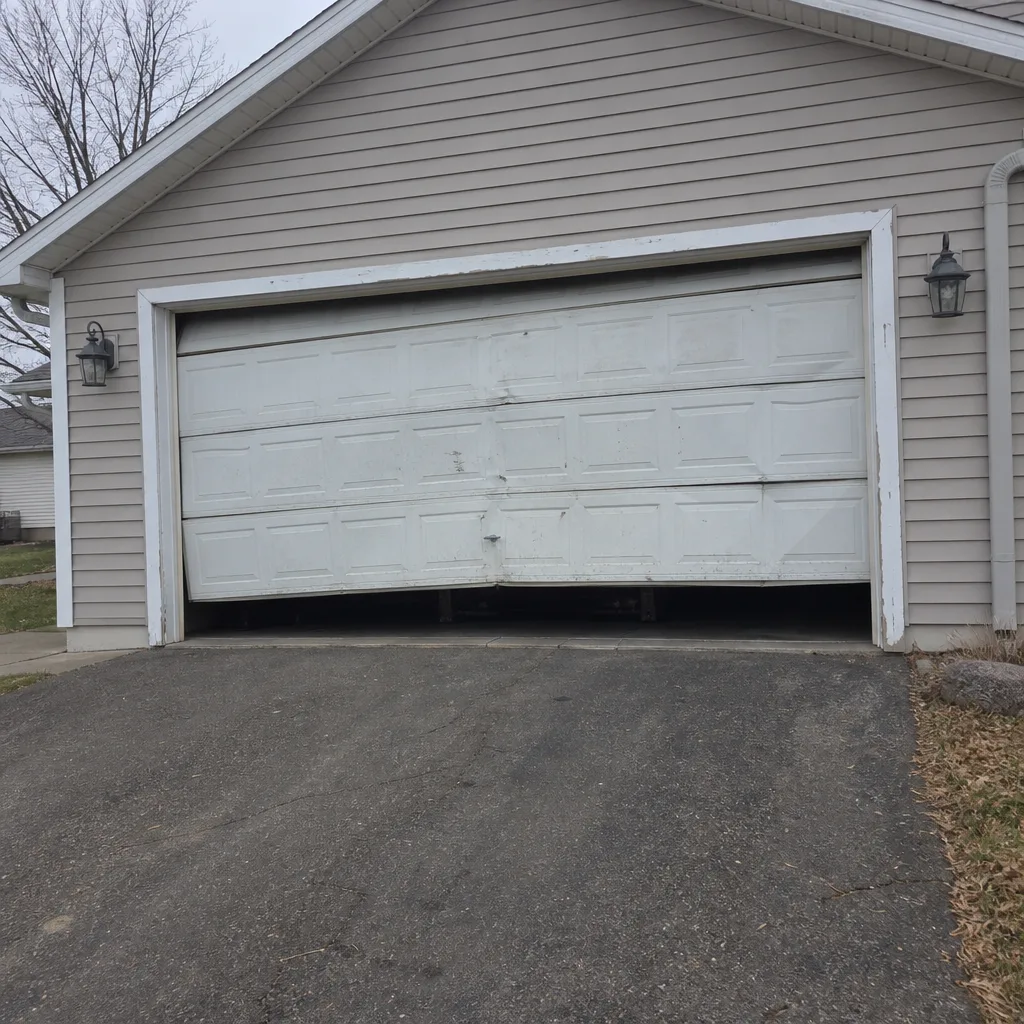 Before
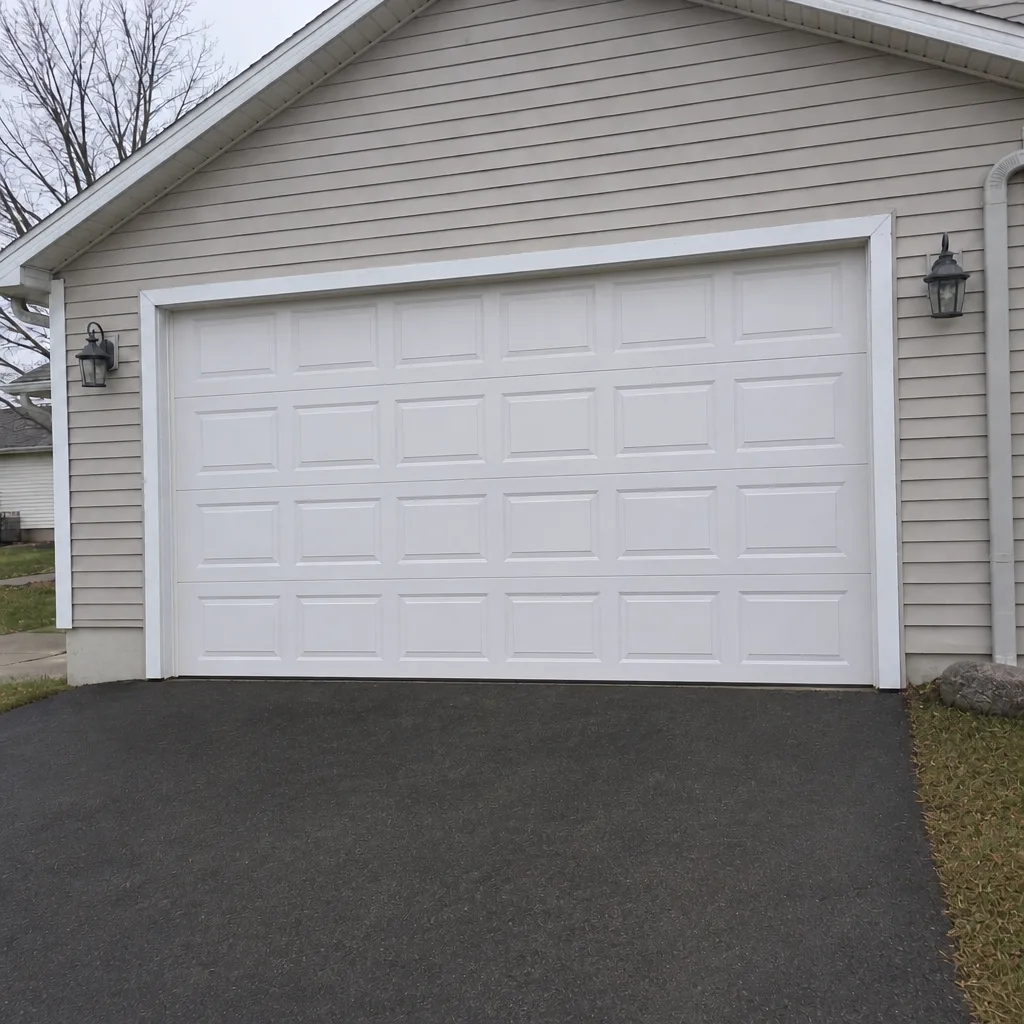 After
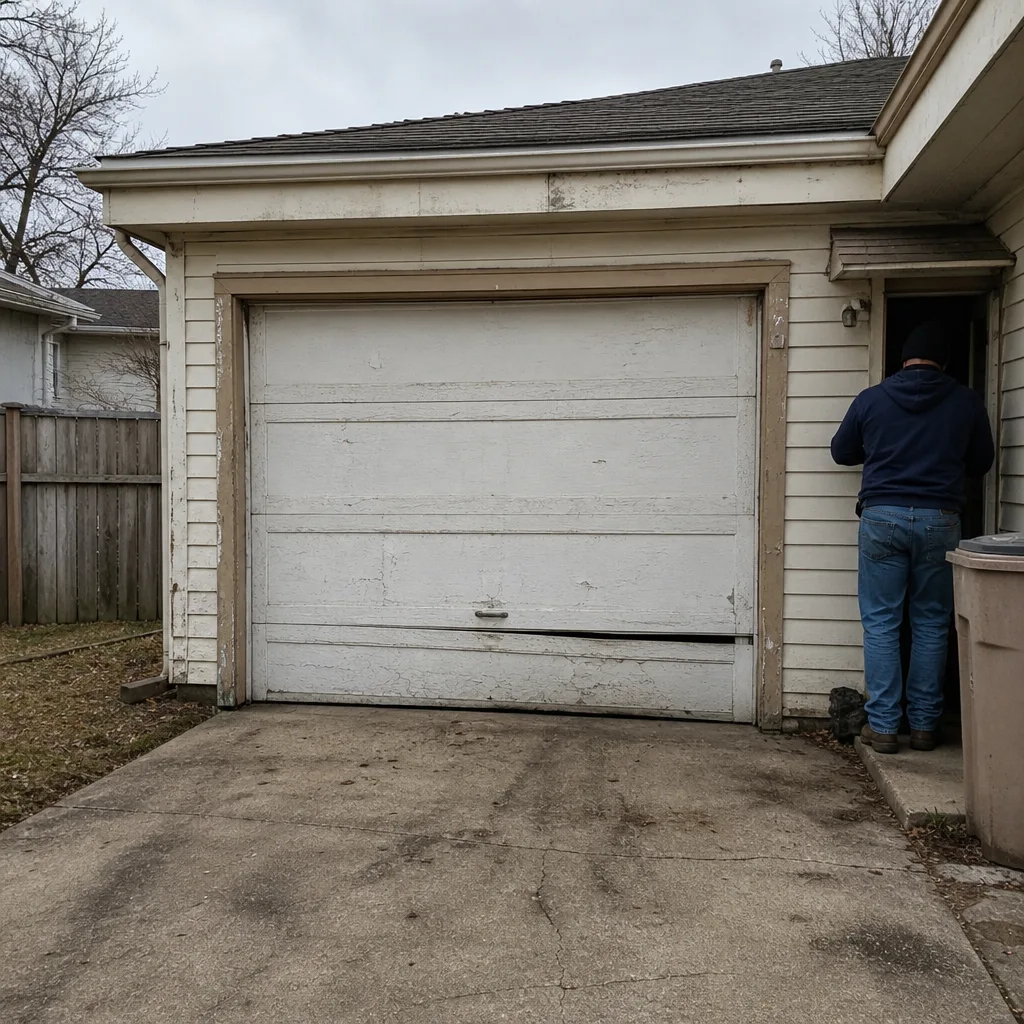 Before
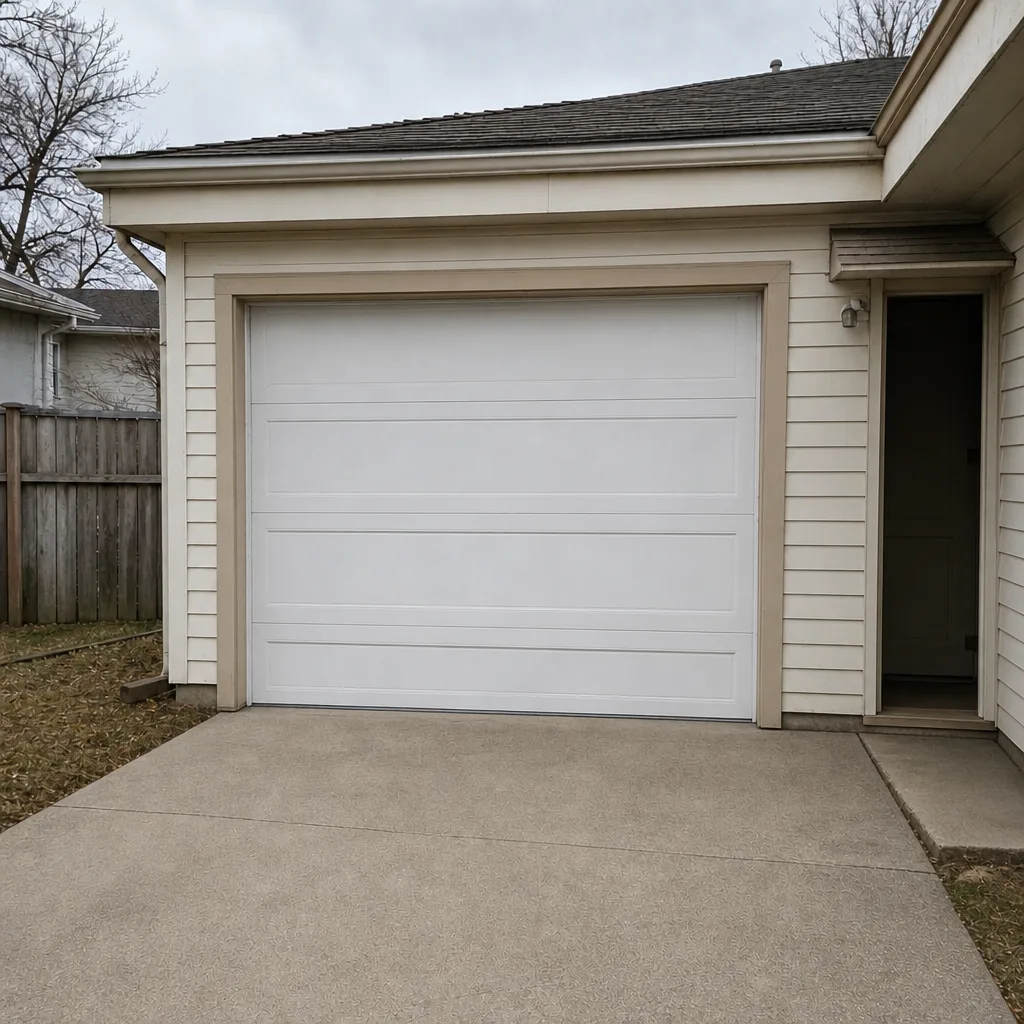 After
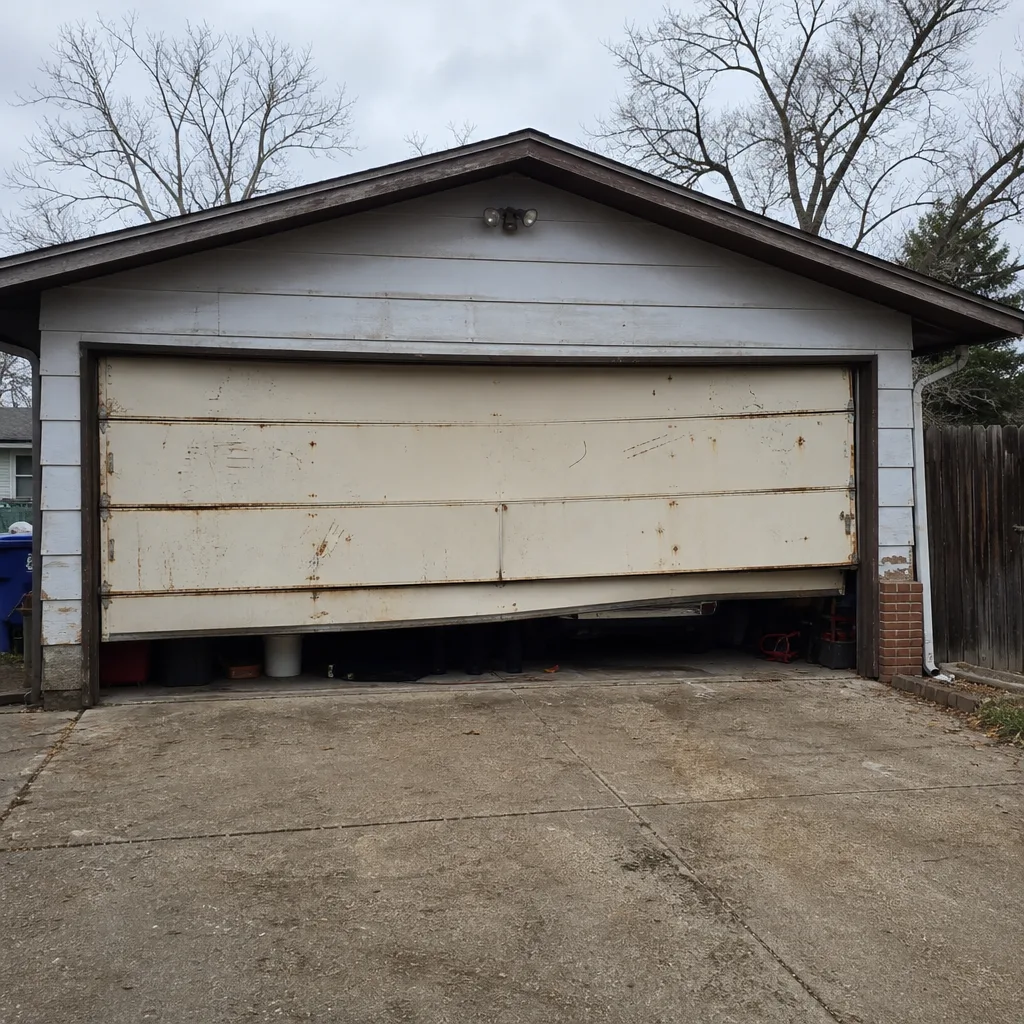 Before
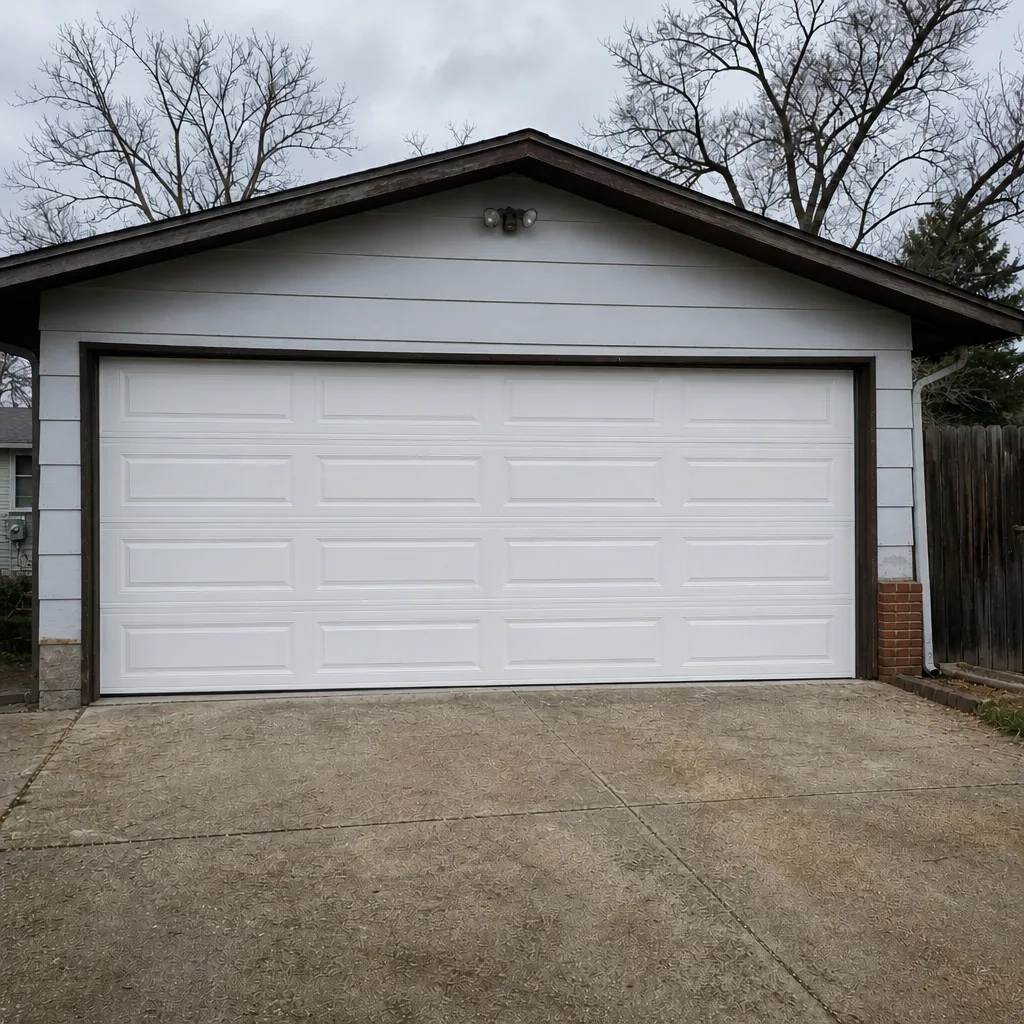 After
When to Call a Professional
Call when the door’s condition or your permit situation puts the household at risk or leaves you guessing. That includes a torsion or extension spring that has broken or looks about to fail (those springs are under extreme tension and aren’t a DIY job); a door that has come off its track and is stuck open or stuck closed; an opener that is failing repeatedly on the same circuit; a door whose wind load rating or R-value you can’t confirm because there’s no spec sheet or permit on record; and any project that involves resizing the opening or changing the header. If you’re prepping a Cottage Grove home for sale and the garage paperwork is unclear, that’s a good reason to call too. Garage Door Repair Cottage Grove offers free estimates in Cottage Grove. Call (833) 345-4676 and we’ll walk you through what’s actually required for your address.
Frequently Asked Questions
Usually not, if it’s a true like-for-like replacement: same opening, same size, same weight class, same wind load rating, same anchor method. You do usually need a permit for a size change, a heavier door, a header modification, or a new opener on a dedicated circuit. Confirm with the City of Cottage Grove building department before work starts. Call (833) 345-4676 for a free estimate and we’ll help you figure out which situation applies.
Permit fees are set by the City of Cottage Grove and Washington County, not by any installer, and they vary by project scope. We don’t set those fees and don’t want to quote a number that isn’t ours. What we can tell you is that the written estimate for the door work will separate out the permit piece if a permit is required, so you see it as a line item. Call (833) 345-4676 for a free estimate; estimates are free.
Only if the installation involves new electrical work: a new outlet, a new dedicated circuit, or new wiring from the panel. An opener plugged into an existing outlet on an existing circuit usually doesn’t need an electrical permit. When the scope crosses into electrical, that piece is done by a licensed electrician on a permit. Call (833) 345-4676 and we’ll tell you which category your project is in before you buy the opener.
No. Every garage door estimate we write is quoted and agreed before any work starts, so the price you see on the written estimate is the price for the work described. If we find something during the job that changes the scope, we stop and requote before continuing rather than surprising you with a bigger invoice. Call (833) 345-4676 for a free estimate.
Yes, in most cases, and the process starts with a records request to the City of Cottage Grove. That tells you whether a permit was ever pulled and what the last inspected state of the work was. From there the city tells you what retroactive compliance looks like for your address, which may mean a fresh permit and inspection, opening framing, or bringing the door and anchors to current code. Call (833) 345-4676 and we’ll help you document what’s actually installed.
The requirement is set by the Minnesota State Building Code based on your address, exposure and the door’s role in the building envelope, so the answer is specific to the home. The door manufacturer’s spec sheet shows the actual ratings for a given model, and that’s what the inspector compares against the permit. Call (833) 345-4676 for a free estimate and we’ll help you get the right spec sheet before you file.
The installers we connect you with are state-licensed and insured as their state requires, and the electrical work on a permitted opener job is handled by a licensed electrician. We can confirm the paperwork before the project starts so nothing about the install is vague. Call (833) 345-4676 for a free estimate.
The Bottom Line
A like-for-like garage door swap in Cottage Grove usually doesn’t need a permit, but a size change, a heavier model, a header modification or a new opener circuit almost always does. Minnesota code cares about two things on a new door: the wind load rating and the R-value, and both have to match what was submitted with the permit. If you’re not sure what’s already on the house, a records request to the City of Cottage Grove is the cheapest step you can take, followed by a professional evaluation so you know what you’re actually dealing with. Cottage Grove homes change hands regularly, and a clean permit record on the garage is one more thing a buyer won’t question. Confirm it before you list.
For repairs, opener work, spring replacement and full installations in Cottage Grove, we handle the same job end to end – diagnosis, repair and install – without handing you off to a second contractor. We work on the brand you already have, whether that’s a LiftMaster, Chamberlain, Genie, Clopay, Amarr, Wayne Dalton, Craftsman or Raynor system, and we’ll tell you when a repair is the right call and when it isn’t. Garage doors are all we do. If your door is stuck, off its track, or making a sound you don’t like, our team can respond when the situation is urgent, and the technician who arrives is trained on exactly the system in your garage. Call (833) 345-4676 for a free estimate, and we’ll quote and agree on the price before any work starts.
Written by the team at Garage Door Repair Cottage Grove.