Last updated November 23, 2026
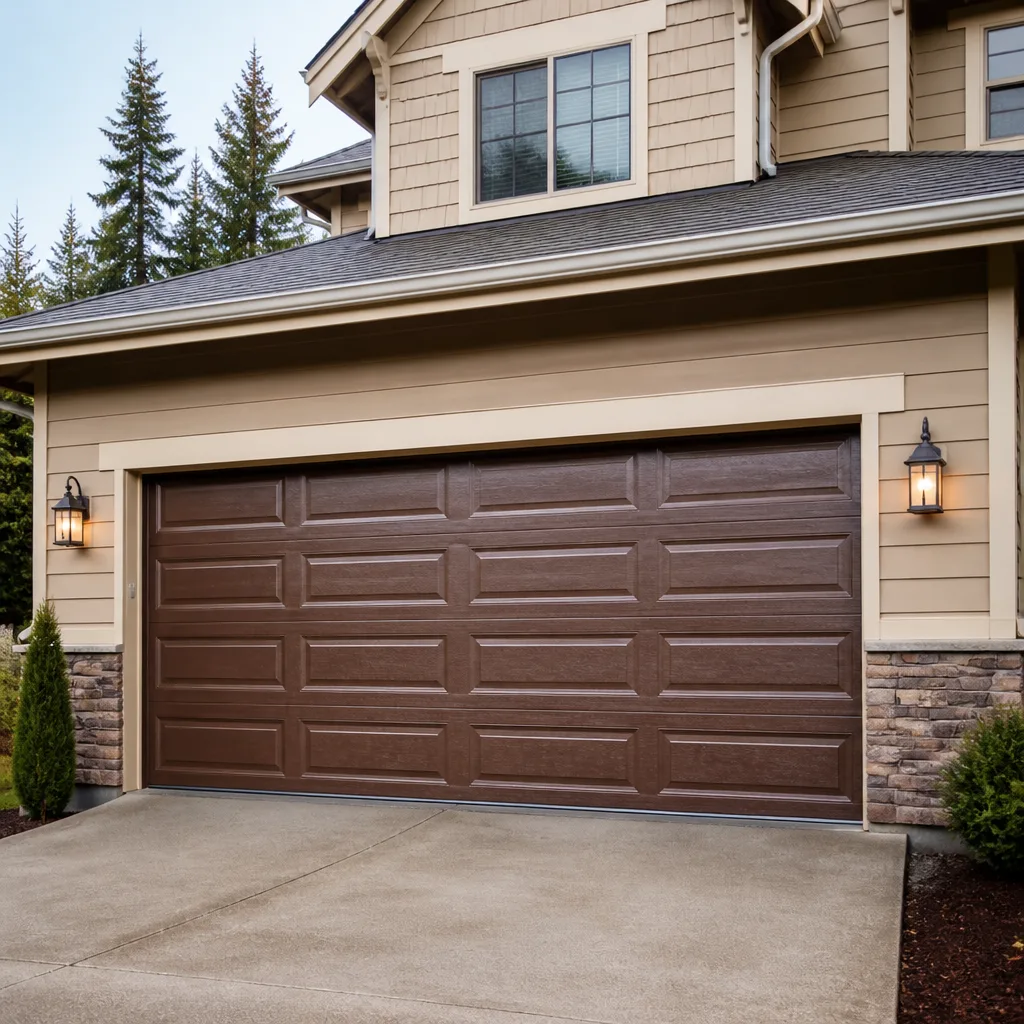 Raised-panel steel
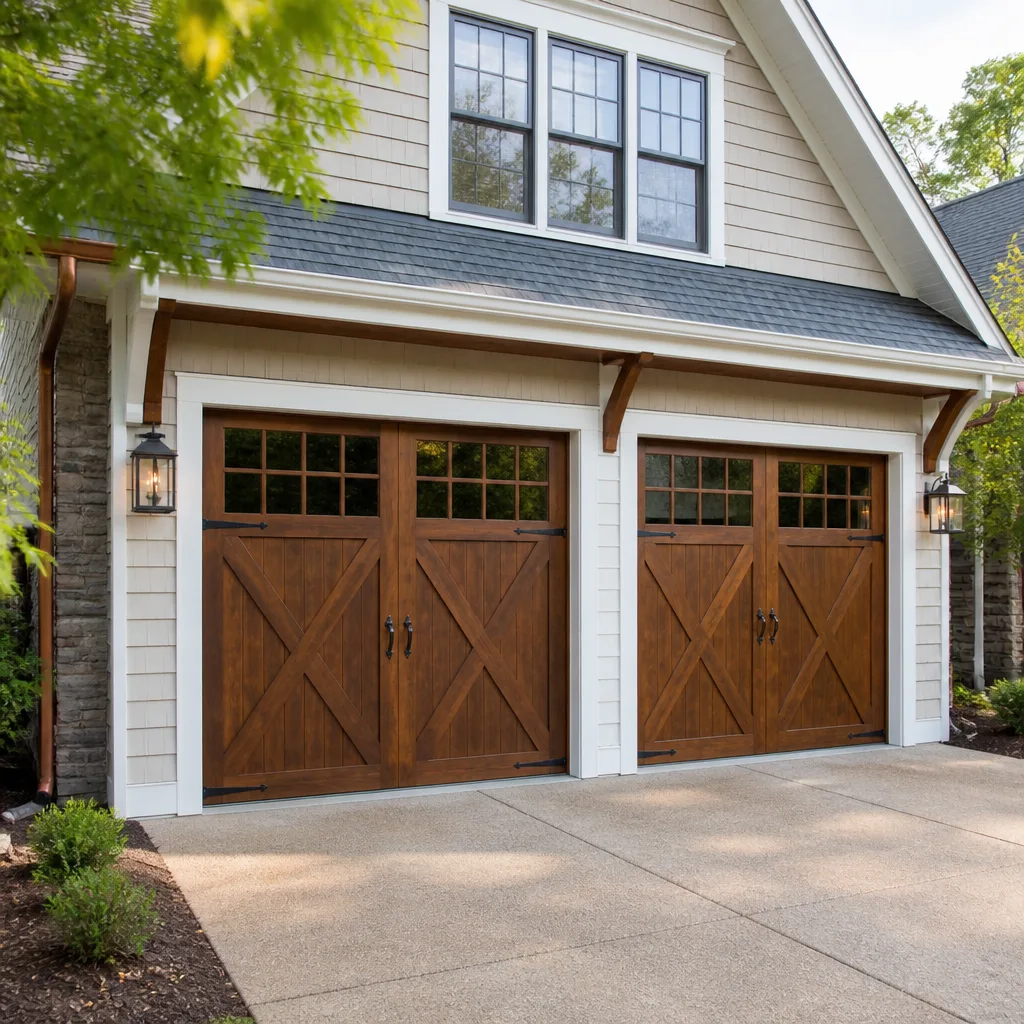 Carriage house
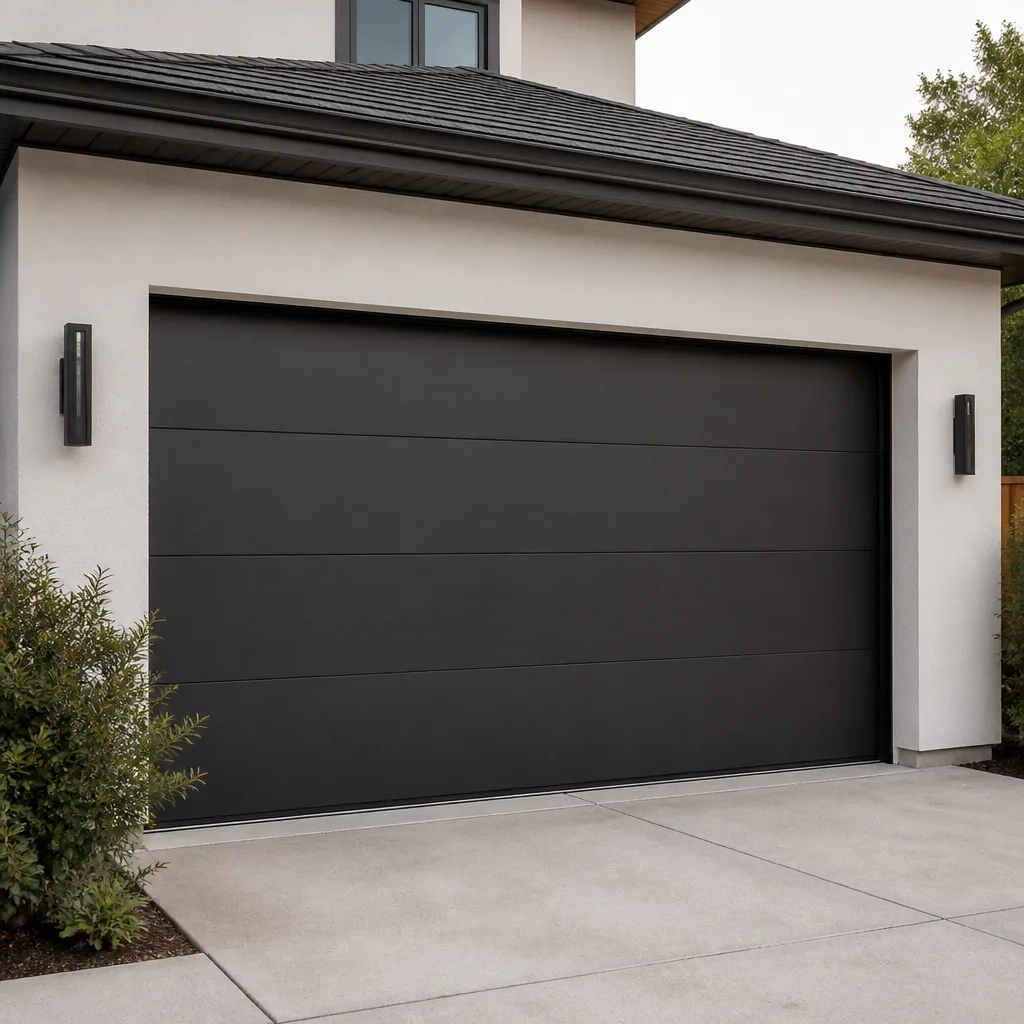 Modern flush
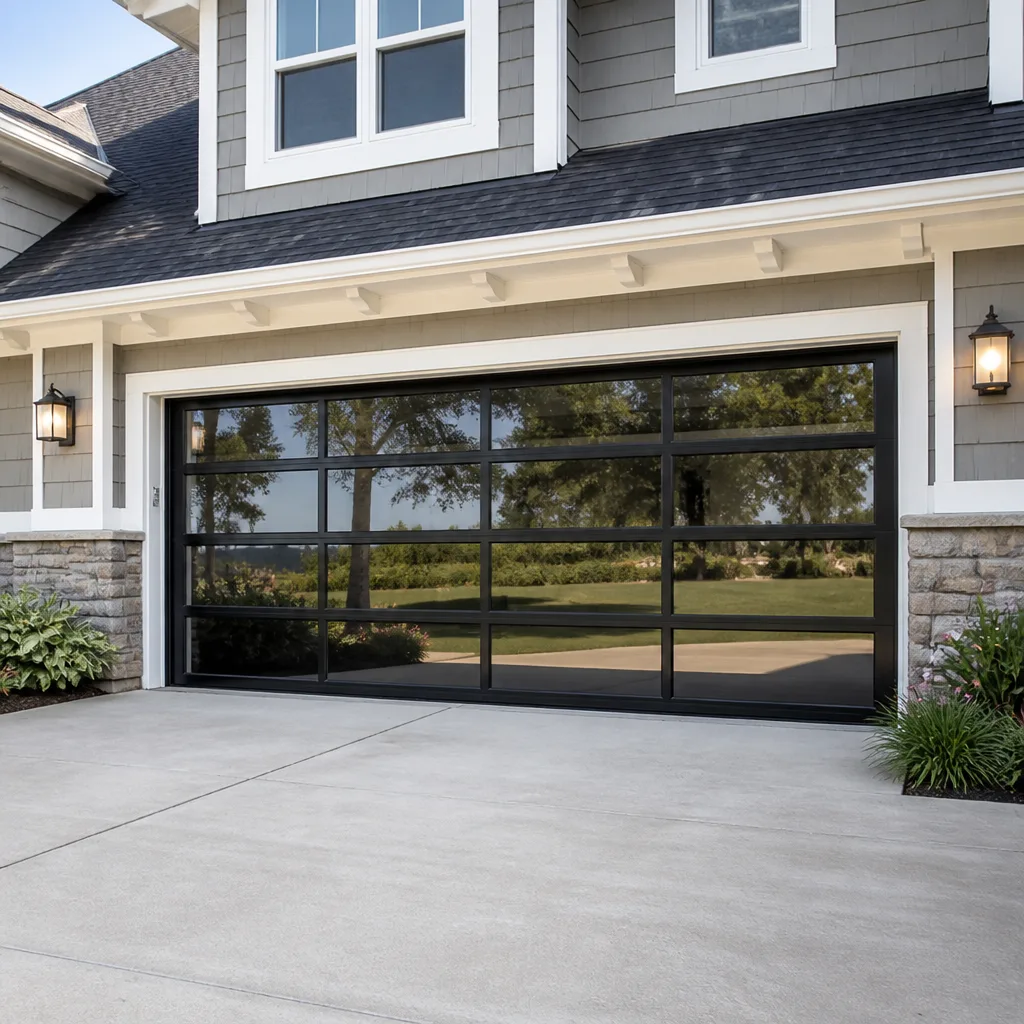 Full-view glass
 LiftMaster openers
 Chamberlain openers
Full 25-point door and opener safety check with every visit - springs, cables, rollers, tracks, and your LiftMaster or Chamberlain opener included
You get a price before we start. It does not change when the pro arrives.
Get your free estimateDIY vs Professional Garage Door: The Cottage Grove Homeowner’s Decision Guide
Torsion springs store enough energy to cause serious injury when released unexpectedly. That’s not a liability disclaimer at the bottom of a page. It’s the physics reason why spring work sits firmly on the professional side of the line no matter how handy you are. But here’s the misconception we run into in Cottage Grove: people treat the whole garage door as one scary system, so they either pay a technician to do things they could safely handle in twenty minutes, or they take on a job they genuinely shouldn’t touch. This guide draws the line task by task, with the mechanical reason for each call, so you can spend where it matters and skip the rest.
Quick Answer
Some garage door tasks are genuinely reasonable for a careful homeowner: lubricating moving parts, aligning safety sensors, reprogramming a remote, and replacing a worn weatherseal. Others carry mechanical risk that far outweighs the savings: torsion and extension springs, cable replacement, and track realignment, all of which can injure you or damage the door if something slips. The dividing line isn’t your confidence level. It’s whether the task involves stored energy or structural alignment, which is why a Cottage Grove homeowner can safely do half of what a garage door needs and should hand the other half to a professional.
Styles & brands we work with
- Raised-panel steel
- Carriage house
- Modern flush
- Full-view glass
- LiftMaster openers
- Chamberlain openers
Table of Contents
- Where the DIY Line Actually Falls
- Tasks That Are Safe to Do Yourself in Cottage Grove
- Tasks That Aren’t Worth the Risk
- What a DIY Mistake on High-Tension Hardware Actually Costs
- Opener Repairs: Which Ones Are DIY-Accessible
- How Minnesota Weather Changes the DIY Math
- If You’ve Already Attempted the Repair
- Frequently Asked Questions
Where the DIY Line Actually Falls
The garage door debate usually gets framed as skill: are you capable enough? That’s the wrong question. The right one is whether the task involves stored mechanical energy or structural geometry. Those two categories are where a small mistake turns into an injury or a much bigger repair. Everything outside those categories is mostly maintenance, and maintenance is where doing it yourself makes sense.
Think about what a garage door actually is. On a standard sectional door you have a torsion spring system (usually mounted on a shaft above the door) or extension springs (running along the horizontal tracks), plus lift cables, rollers, hinges, tracks, and an opener. The door can weigh well over a hundred pounds depending on material and size. The springs are what make that weight feel light, and they do that by storing energy under tension. When a technician winds a torsion spring, they’re loading it deliberately. When a homeowner tries to unwind or replace one without the right winding bars and training, that stored energy goes wherever it wants.
Cables are the same story. They’re under tension from the springs and they run at the edges of the door where your hands naturally go. A cable that releases suddenly can whip. Track alignment sounds harmless until you realize the door’s rollers depend on the tracks being parallel and square; bend a track slightly out of plane and the door binds, the opener strains, and you’re looking at a repair that costs more than the alignment would have.
Now the other side. Lubrication, sensor cleaning, remote programming, weatherseal replacement: none of these involve stored energy or structural geometry. They’re maintenance tasks. They’re also the tasks that most often get skipped, which is exactly why doors in Cottage Grove wear out faster than they need to. A door that gets lubricated twice a year and has clean sensors runs quieter, lasts longer, and needs fewer service calls. That’s not us talking ourselves out of work. It’s just what we see on the doors we’re called to.
Here’s the frame we use in our own heads: if a task requires you to defeat gravity, manage stored spring tension, or realign a system that only works when every part is parallel, it belongs to a professional. If it’s cleaning, lubricating, or replacing a soft part, it’s yours to handle. garage door repair for the first category usually costs less than a mistake does.
Tasks That Are Safe to Do Yourself in Cottage Grove
These four tasks are genuinely DIY-reasonable for most homeowners. The mechanical reason each one is safe: none of them involve stored spring energy, and none of them depend on the door’s structural alignment staying square. You’re not fighting the physics of the system.
1. Lubricating the moving parts. Rollers, hinges, the torsion shaft bearings, and the opener’s rail and chain all need lubrication. Use a garage-door-specific lubricant, not WD-40, which is a solvent and will strip the existing grease rather than replace it. A few drops per hinge, a light coat on the rollers, a spray along the opener rail. Do it twice a year, ideally in spring and fall.
2. Aligning the safety sensors. The two sensors at the bottom of the door tracks (one on each side, roughly six inches off the floor) need to see each other. If the door reverses immediately on closing, or won’t close at all, the sensors are the first thing to check. Wipe the lenses, confirm the LED on each sensor is solid (not blinking), and check that nothing is blocking the beam. If one sensor’s bracket is loose after a bump, nudging it back into alignment is fine.
3. Programming a remote or keypad. This is entirely done at the opener head, using the learn button and the remote. Every opener model has a slightly different sequence, but the process is safe and reversible. If you can’t get the remote to program, the opener’s logic board may be the issue rather than the remote, and that’s a different call.
4. Replacing a weatherseal or bottom seal. The rubber seal at the bottom of the door is a soft part. It slides out of a channel in the bottom section and a new one slides in. Cottage Grove summers push a lot of heat through that seal, and winters with freeze-thaw cycles work the rubber hard. A worn bottom seal lets in water, mice, and cold air. Replacing it is straightforward once you’ve got the right replacement width.
Those four tasks cover a surprising amount of what keeps a door running. Skipping them is why we get called to doors that could have gone another few years without a service visit.
Tasks That Aren’t Worth the Risk
These are the ones where the cost of getting it wrong is disporportionate to the savings. We work on springs and cables all day, and even we treat them with the tools and the sequence they require. The reason is mechanical: these parts are loaded, and the loading is invisible.
Spring replacement (torsion or extension). A torsion spring on a standard residential door holds enough energy that a sudden release can break bones or worse. The wind count has to be right, the winding has to be done with the correct bars, and the door has to be secured with locking pliers in the tracks before you touch the spring. There’s no home-improvement shortcut that makes this safe. This is why garage door spring repair is one of the calls we most often get after a homeowner has already tried it, and why we always say the same thing: stop and call.
Lift cable replacement. The cables run from the bottom brackets up to the drums on the torsion shaft, and they’re under tension from the springs. Unless the spring tension is fully released first (which is its own dangerous procedure), a cable is loaded. A cable that snaps or slips can cut or whip. Replacing cables is a pair job, and it’s done after the spring tension is managed, not before.
Track realignment. Tracks look simple, but they only work when they’re parallel front to back and square to the door. Slight bends in a track from a car bumper or a door that jumped the track can bind the rollers, which strains the opener and can crack the door panel. To realign a track properly you need to know how much bend is tolerable, and how to adjust the brackets without pulling the entire assembly out of square. Getting it wrong makes the door run worse, not better.
Bottom bracket and cable drum work. These are the two points where the cable attaches and the spring transfers its force. Both are under direct spring tension. The bottom bracket in particular is where a cable slip becomes an injury. Never loosen a bottom bracket or a cable drum on a door with tension still loaded in the spring.
We’ll say it plainly because it’s the whole thesis of this guide: spring and cable work is the one category where the DIY-versus-pro question doesn’t really apply. It’s not about whether you can. It’s about the physics, and the physics doesn’t care.
What a DIY Mistake on High-Tension Hardware Actually Costs
Framing this accurately matters more than scaring anyone. A spring or cable mistake doesn’t just fail to fix the door. It usually makes the next repair bigger. Here’s how the math runs, without a dollar figure attached to a story.
If you attempt a torsion spring replacement and the spring slips or the door slams, the immediate risk is personal injury. That’s the part nobody wants to talk about, so let’s be direct: the injury risk alone makes spring work a professional task. But even setting injury aside, the downstream costs pile up. A door that slams can bend the top section, crack a hinge, break a roller, and put the opener into a fault state. What was a spring replacement becomes a spring replacement plus a panel repair, a hinge set, a roller set, and a service call on the opener.
A mismanaged cable can whip and damage the door’s bottom section or the tracks. A track bent during a DIY realignment can bind the rollers and, if the door keeps cycling, wear the rollers and strain the opener motor. An opener that’s been straining against a binding door can fail early. None of these are rare outcomes. They’re the normal result of an attempted DIY repair that didn’t go to plan.
The frame that actually holds up: the professional price on the dangerous tasks is bounded. It’s a quoted number you agree to before work starts. The DIY cost on the same task is unbounded. It’s whatever the damage ends up being if something goes wrong, plus your time, plus the professional visit you’ll need anyway.
That’s the whole risk/reward calculation. On the safe tasks, the professional cost is the unbounded part (or rather, the unnecessary part). On the dangerous tasks, the DIY cost is the unbounded part. Draw the line correctly and you’re never paying for a task you could have done, and never taking on risk you shouldn’t. When a task sits on the professional side, we can work with your written quote as the anchor, not an estimate that floats. garage door repair as a general service covers the full system, from springs and cables to openers and panels.
Opener Repairs: Which Ones Are DIY-Accessible
Openers are where the DIY line gets blurry, because some opener repairs are genuinely accessible to a homeowner with the right part and twenty minutes, and others need calibration tools. Here’s the split we walk customers through when they call about a dead opener in Cottage Grove.
DIY-accessible opener repairs:
- Battery backup replacement. If your opener has a battery backup, the battery is a consumer part. Open the cover, swap the battery, close it up. The opener’s logic board handles the rest.
- Remote and keypad programming. Covered above, but worth repeating. Learn button, remote, done.
- Safety sensor wiring checks. If a sensor is dead and the LED is out, checking the connection at the pigtail is straightforward. If the wire is pinched in the track or chewed, that’s a different job.
- Light bulb replacement. Trivial, but people put it off, and then assume the opener is failing.
Repairs that need professional hands:
- Logic board replacement. The part is easy to buy; the board is not always the diagnosis. If the opener is dead, the actual fault could be in the board, the transformer, the limit switch, or the safety reverse circuit. Swapping a board that isn’t the problem is how a $200 repair becomes a $400 repair. We work on the brand you already have, whether that’s a LiftMaster, a Chamberlain, a Genie, or a Craftsman, so the diagnosis follows the actual model rather than a guess.
- Limit switch and force calibration. The opener has to know where the door is and how much force to apply. Both are adjustable, but only with the right tools and the door in proper balance first. An opener recalibrated against a door that’s out of balance will just fight the door.
- Gear and sprocket replacement. The internal drive gear on a chain or belt opener wears over time, and the case has to come apart to replace it. That’s a bench job with specific parts.
- Travel module and receiver circuit diagnostics. These are logic-level problems requiring test equipment.
If the opener is dead and you need help, garage door opener repair is a same-day service for most models. We service the brands you already own. We don’t push replacement when the existing opener can be fixed correctly.
How Minnesota Weather Changes the DIY Math
Cottage Grove winters complicate the DIY schedule in ways that don’t show up in the generic how-to videos. A repair that’s manageable in September becomes genuinely difficult in January, and it’s not about you getting cold. It’s about the metal.
Cold contracts metal. Torsion springs, cables, and door tracks all shrink slightly as they cool, which changes the tension and fit tolerances in the system. A spring that winds smoothly at 65 degrees feels different at 5 degrees: the coils are stiffer, the winding bars seat differently, and the whole job moves from “delicate” to “unforgiving.” The rollers and hinges stiffen too, so a door that was balancing in fall may drag in winter. That drag shows up as opener strain, and the opener is the most commonly-strained part of the system in a Minnesota cold snap.
Timing matters more than most homeowners realize. Seal replacement is best done in late fall, before the first freeze, because warm rubber seats into the channel properly and cold rubber doesn’t. Lubrication before the cold sets in keeps the rollers from seizing. Sensor cleaning after a snow or ice event prevents false reversals that strand you in the cold. These are the things that turn a winter service call into a non-event.
The reverse also holds. Summer heat in Cottage Grove expands the door sections, so a door that fit perfectly in February may need a small track adjustment by July. Metal contracts in winter and expands in summer. If the door is binding in one season and fine in the other, that’s usually the culprit, and it’s a service call, not a DIY task.
Winter is also when we see the most emergency calls. When the door won’t move and it’s twenty below, waiting for a next-week appointment isn’t workable, especially if the garage is the only way in and out. Emergency garage door service exists for exactly this scenario, so if the door fails in the cold, calling is faster than trying to manage it on a frozen ladder.
A final note on track realignment and cold. Cold tracks are less forgiving when you try to bend them back into place, because the metal is more likely to crack rather than flex. A minor alignment issue in September can be a snapped track in January. Realignment is a professional job regardless of the season, but it’s a particularly bad idea to attempt it in the cold.
If You’ve Already Attempted the Repair
This is more common than people admit, and it’s not a problem. What matters is that you tell the technician what you touched. Here’s why: the first thing we do when we arrive at a door that won’t work is look for the fault. If the fault is a broken spring, that’s one diagnosis. If the fault is a broken spring plus a mis-set limit switch plus a slightly bent track from an attempted realignment, the diagnosis changes, and the repair changes with it.
If you don’t disclose what you did, we spend the first part of the visit finding it anyway. Worse, we might miss it. A door that was lubricated with the wrong product (like WD-40 instead of a garage-door lubricant) runs differently than one that wasn’t, and knowing that saves a step. A remote that was programmed with the wrong sequence can look like a dead receiver. A bottom bracket that was loosened and retightened can look like a cable fault when the real issue is the bracket seating.
Tell the technician, at the start of the visit:
- What you tried and where you stopped.
- What tools or products you used, especially any lubricant.
- Whether anything moved or slipped during the attempt.
- Whether the door was operated after the attempt, and what it did.
This is not a confession. It’s diagnostic information, and it makes the visit shorter and often cheaper. We’d rather know than find out.
See the difference
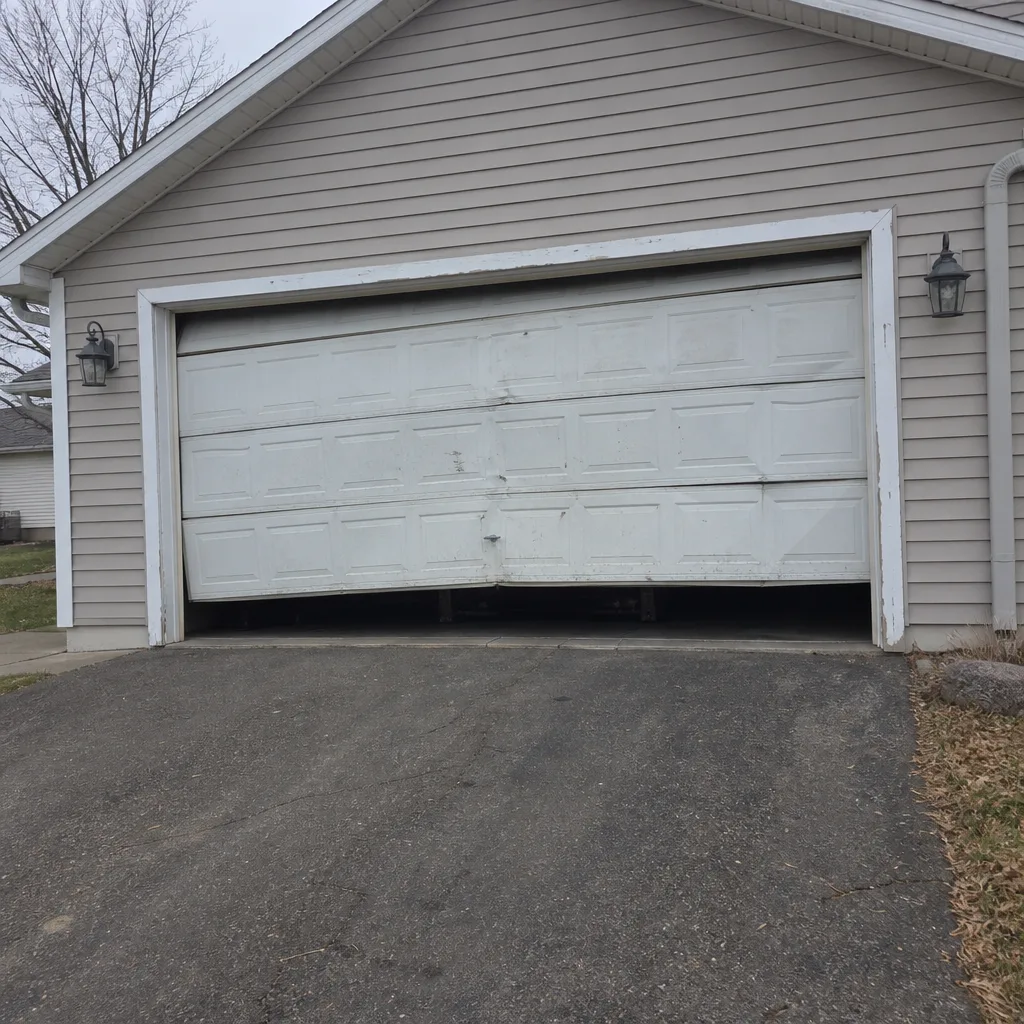 Before
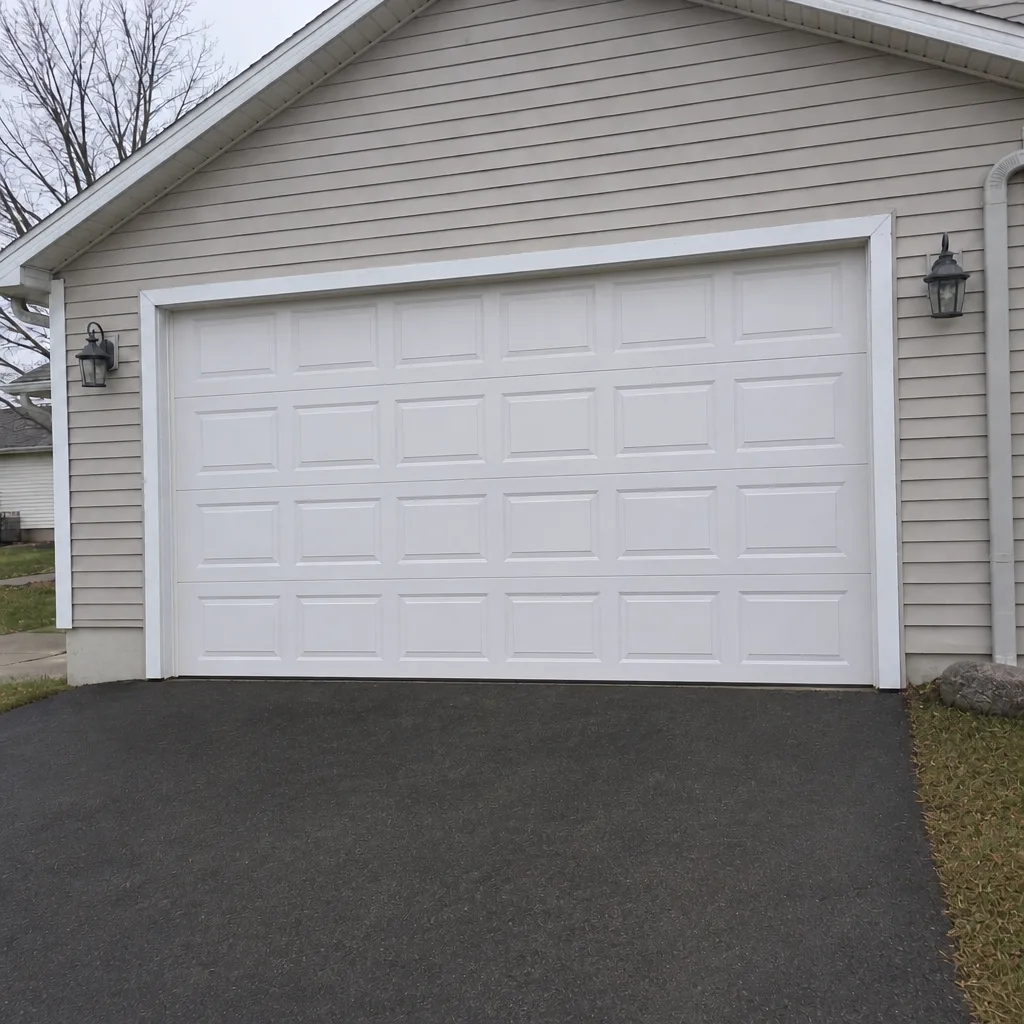 After
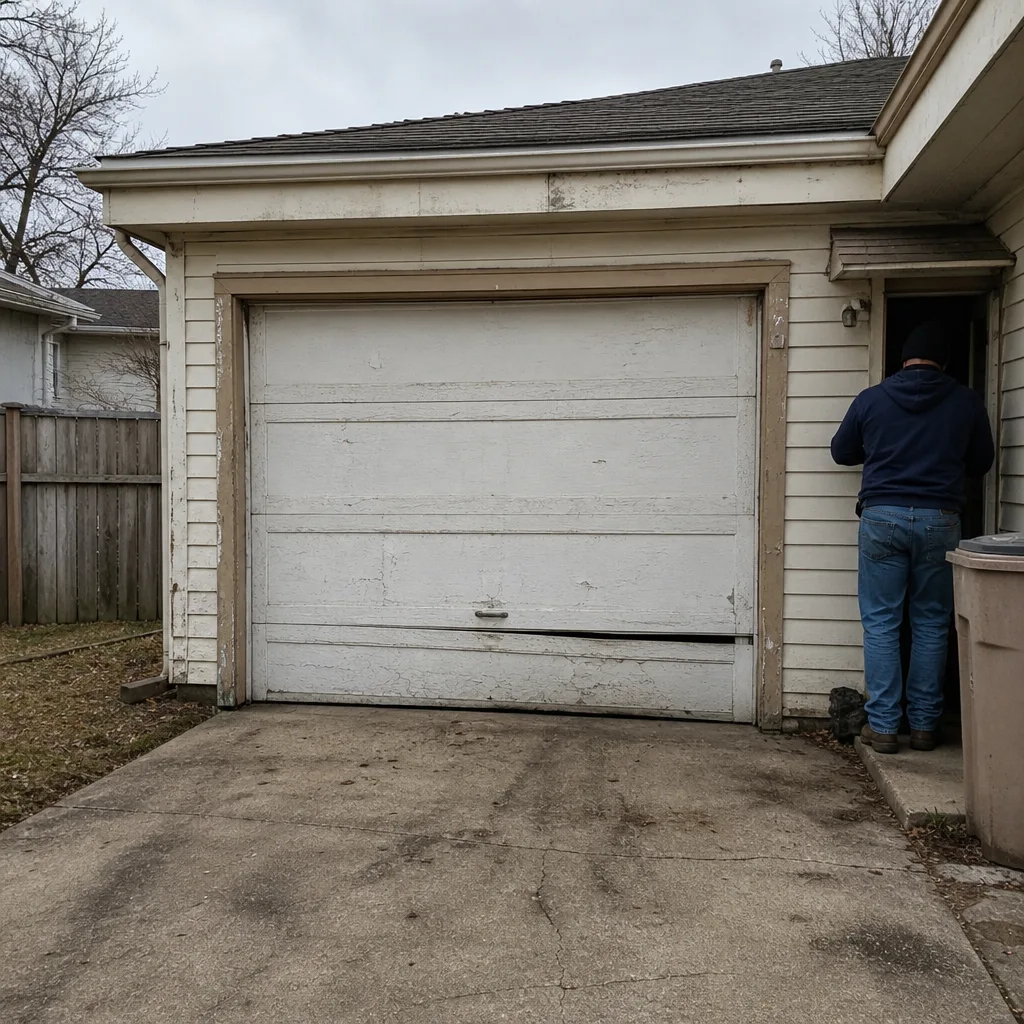 Before
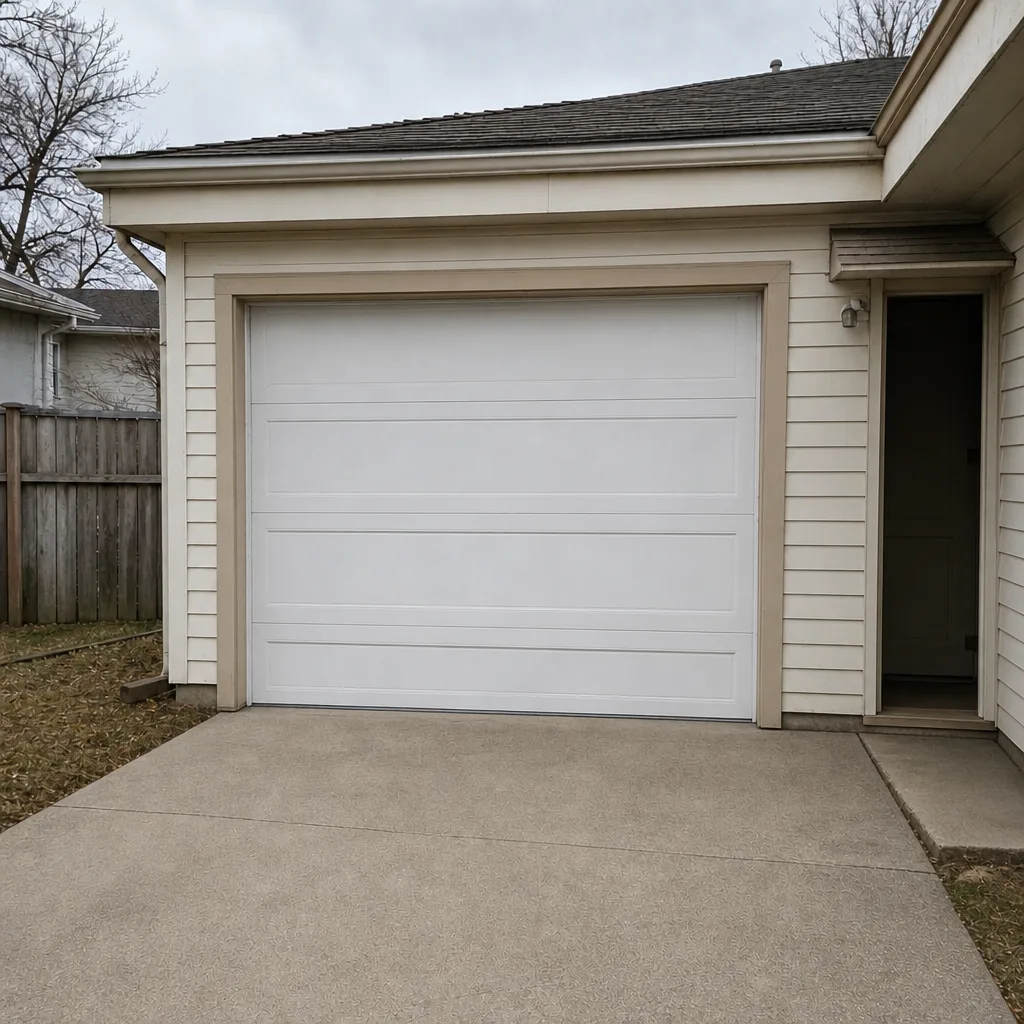 After
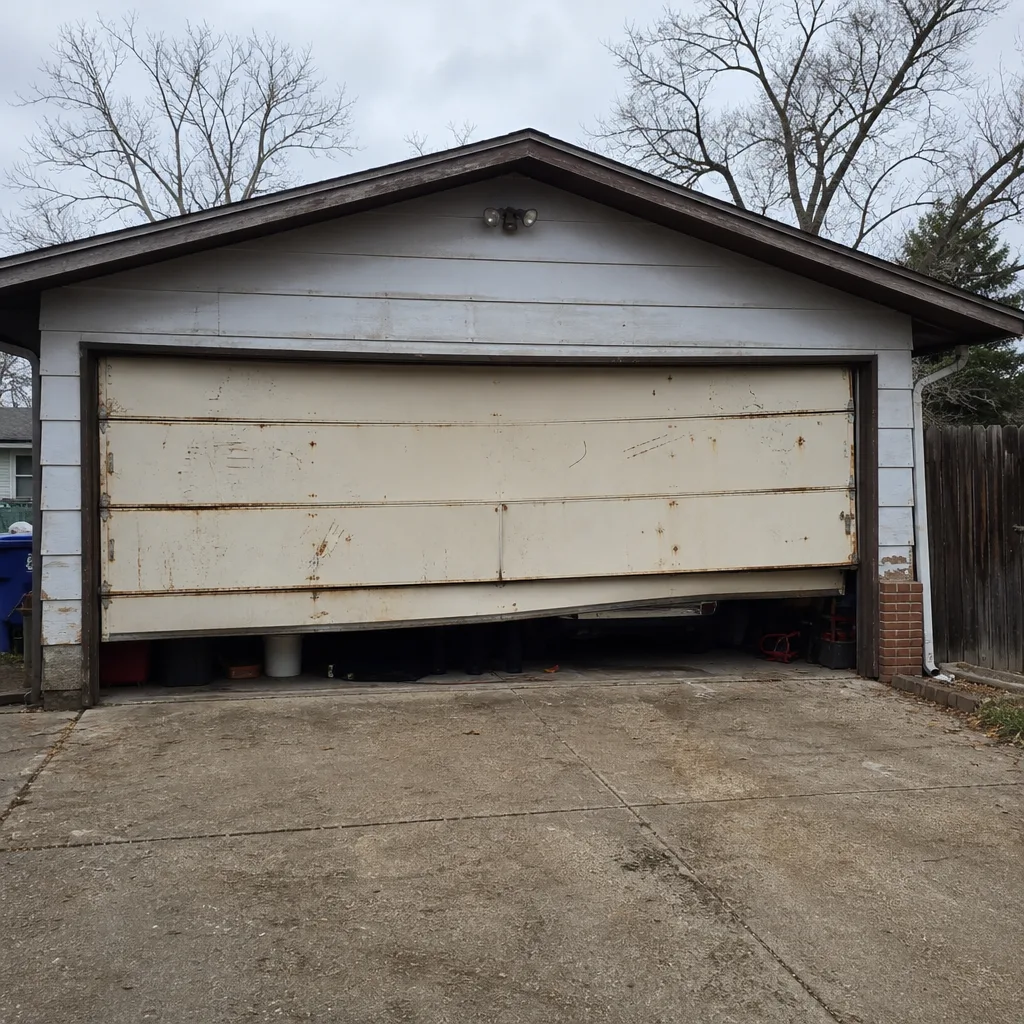 Before
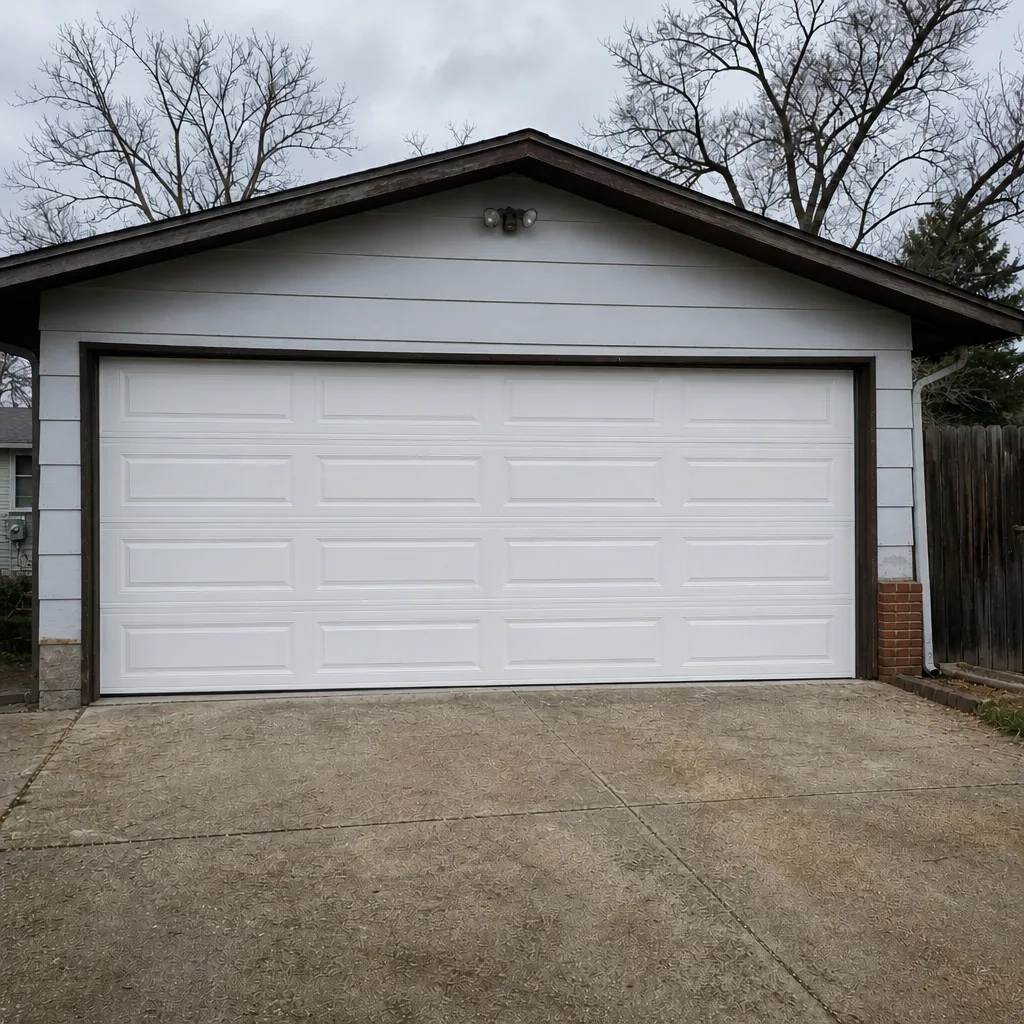 After
Common Mistakes to Avoid
- Using WD-40 on rollers and hinges. It’s a solvent, not a lubricant, and it strips the existing grease. Use a garage-door-specific lubricant. This is the single most common mistake we see on Cottage Grove doors.
- Trying to lift a door with a broken spring to “get it out of the way.” A door with a broken spring is much heavier than it looks, and lifting it can cause the door to come down on you or the opener to fail under the strain.
- Loosening a bottom bracket or cable drum. Both are under direct spring tension. Never touch either one on a door that still has tension in the system.
- Attempting spring or cable work without the right winding bars and locking pliers. The tools aren’t optional, and short of them the risk goes up sharply.
- Replacing the opener because the door is binding. A binding door is a door problem, not an opener problem. Swapping the opener puts a new motor on the same bound door, and you’ll be back where you started.
- Ignoring a sensor that keeps reversing the door. It’s usually dirt, misalignment, or a wiring fault, and it’s one of the safest things to check yourself first.
- Putting off weatherseal replacement until it’s leaking. By the time the seal is letting in water, the bottom section of the door is already taking on moisture. Replace it before that happens.
When to Call a Professional
Call a professional any time the task involves stored spring energy, cables, or track geometry. If the door is stuck in the open or closed position and you need to secure the house, if the spring has visibly separated or snapped, if the door came off its tracks, or if the opener is running but the door isn’t moving, that’s a professional call. Same goes for a door that’s binding in one season and fine in the other, which usually means metal expansion and a track adjustment. Garage Door Repair Cottage Grove offers free estimates in Cottage Grove, and we’ll tell you honestly which side of the line your door’s issue sits on. To call, (833) 345-4676. If it’s an emergency, we have emergency service for exactly the situations where waiting isn’t workable.
Frequently Asked Questions
No, spring replacement is not a safe DIY task. Torsion and extension springs store enough energy to cause serious injury if they release unexpectedly, and the winding procedure requires specific tools (winding bars, locking pliers) plus the training to use them. Call (833) 345-4676 for safe spring repair. The savings aren’t worth the mechanical risk.
Lubrication, safety sensor alignment, remote and keypad programming, battery backup replacement, and weatherseal replacement are all reasonable for a careful homeowner. The dividing line is whether the task involves stored spring energy or structural alignment. If it doesn’t, you can probably do it. If it does, call a professional.
Most openers can be repaired rather than replaced, even at ten or fifteen years. If the motor runs but the door doesn’t move, or the opener reverses unpredictably, the fault is usually a logic board, a limit switch, or a safety circuit rather than a dead unit. We work on the brand you already have, so a repair is usually the first option, not a replacement. Call (833) 345-4676 for a diagnosis.
Usually not, but what you tell the technician prevents misdiagnosis. If you disclose what you tried and where you stopped, the visit is shorter and the repair is targeted at the actual fault. If you don’t, we find out anyway, just slower. Estimates are free, so there’s no downside to an honest conversation at the start.
Yes, meaningfully. Metal contracts in the cold, springs stiffen, rollers and hinges seize, and the tolerances tighten. A job that feels manageable in September becomes unforgiving in January, particularly on high-tension parts. Lubrication before the first freeze and sensor checks after snow are the DIY tasks that matter most in winter.
Don’t force it, and don’t try to lift it manually if a spring is broken. A door with a broken spring is much heavier than it looks, and lifting it can cause the door to come down. Call (833) 345-4676 for emergency service; we have same-day response for urgent access and security situations.
The Bottom Line
The DIY versus professional question for a garage door isn’t really about skill. It’s about which tasks involve stored energy or structural alignment, and which are maintenance. Lubrication, sensor alignment, remote programming, battery backup, and weatherseal replacement are yours. Springs, cables, track realignment, and bottom bracket work belong to a professional, no matter how capable you are. The professional price on the dangerous tasks is bounded by a written quote; the DIY cost is unbounded by whatever damage happens if it slips. That asymmetry is what makes the decision straightforward. Draw the line correctly, and you spend less and risk less, and Cottage Grove winters stop catching you by surprise. For the professional side of the line, call (833) 345-4676 for a free estimate, and we’ll tell you exactly what your door needs. Garage doors are all we do, across all the major brands including Clopay, Amarr, Wayne Dalton, and Craftsman.
For emergency situations, same-day repair, and full installations, we handle the full system from diagnosis through the finished job. Our technicians have up to 13 years of experience with torsion and extension spring repair, opener diagnostics, and new door installations. To schedule a free estimate in Cottage Grove, call (833) 345-4676.
Written by the team at Garage Door Repair Cottage Grove.