Last updated November 23, 2026
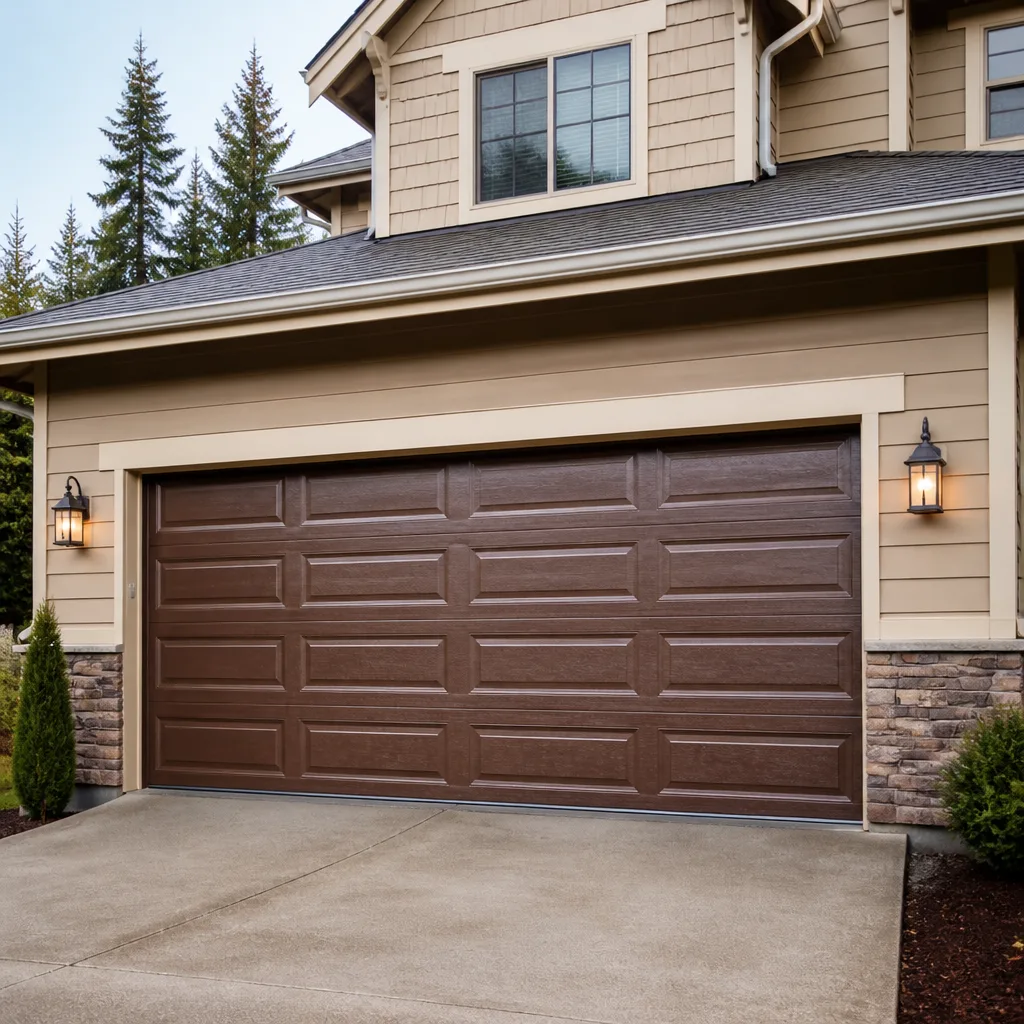 Raised-panel steel
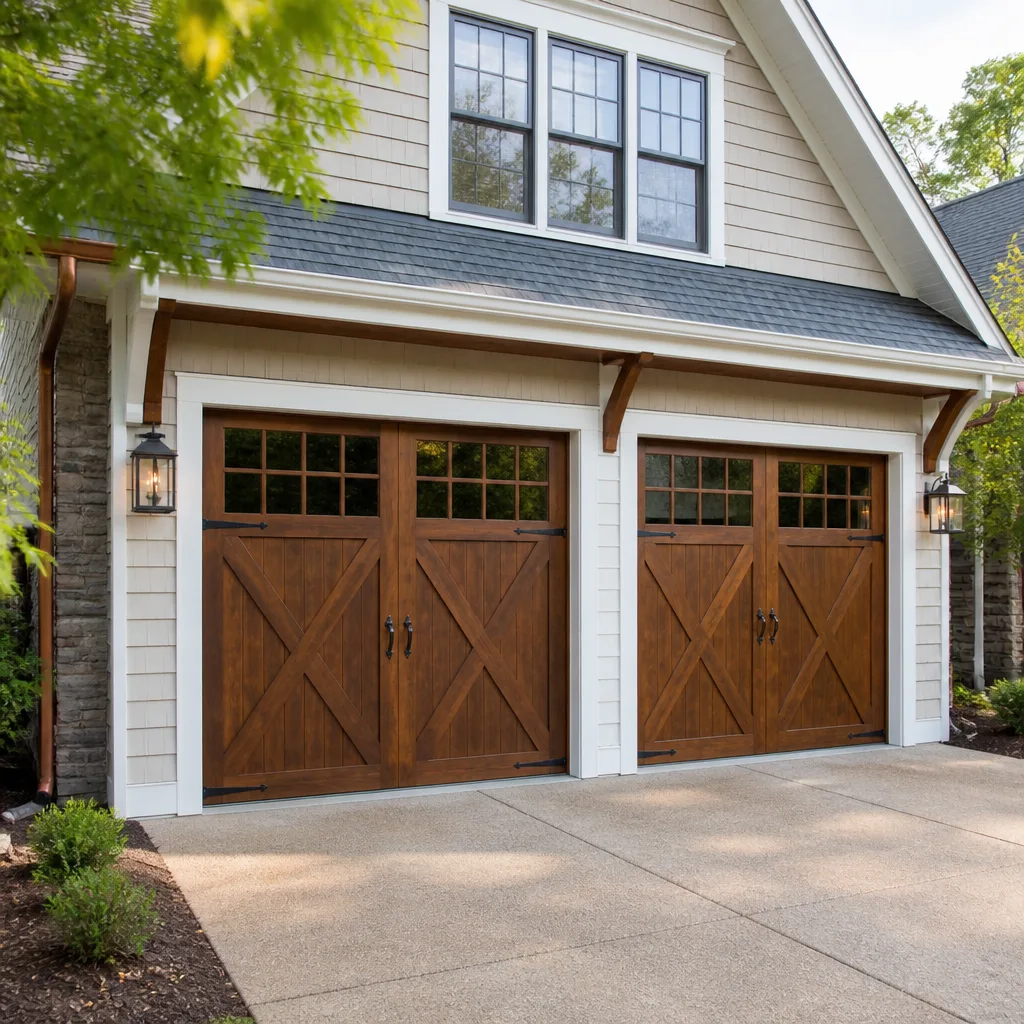 Carriage house
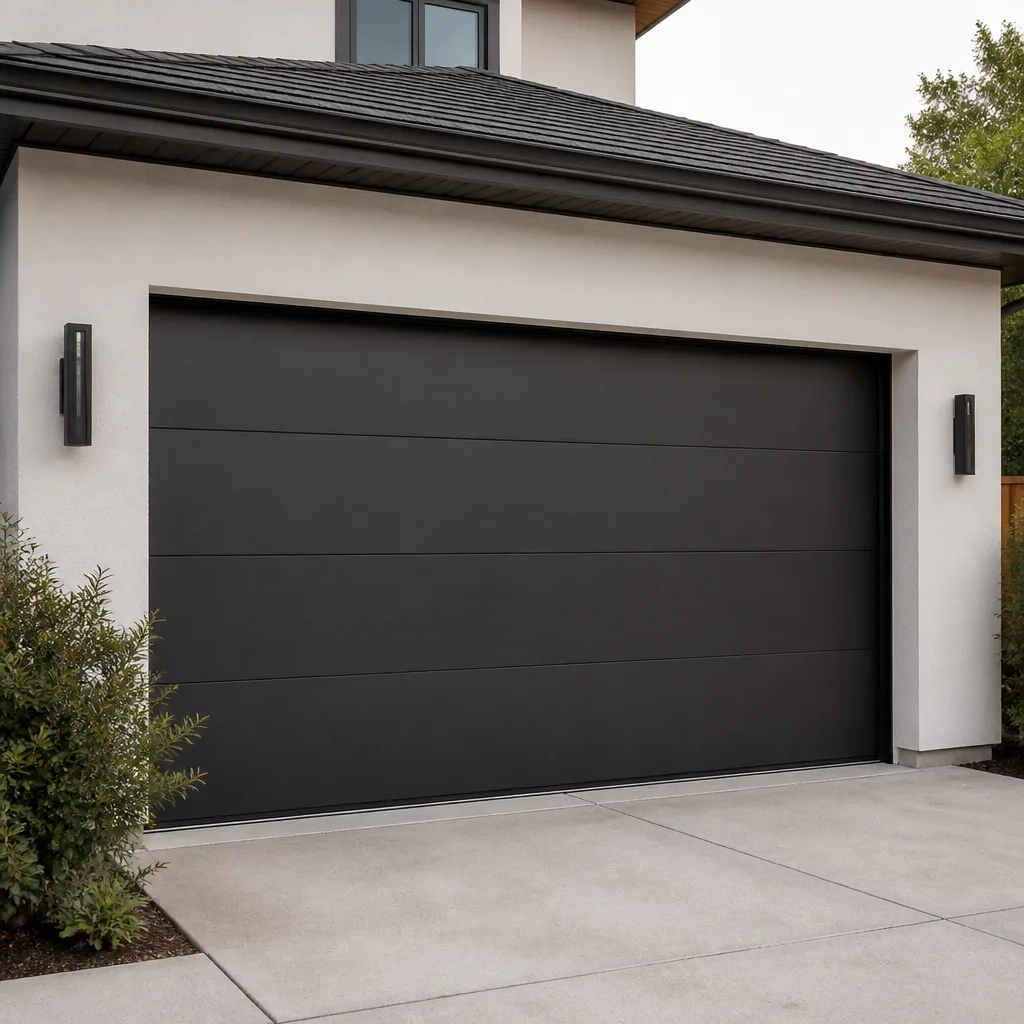 Modern flush
 Full-view glass
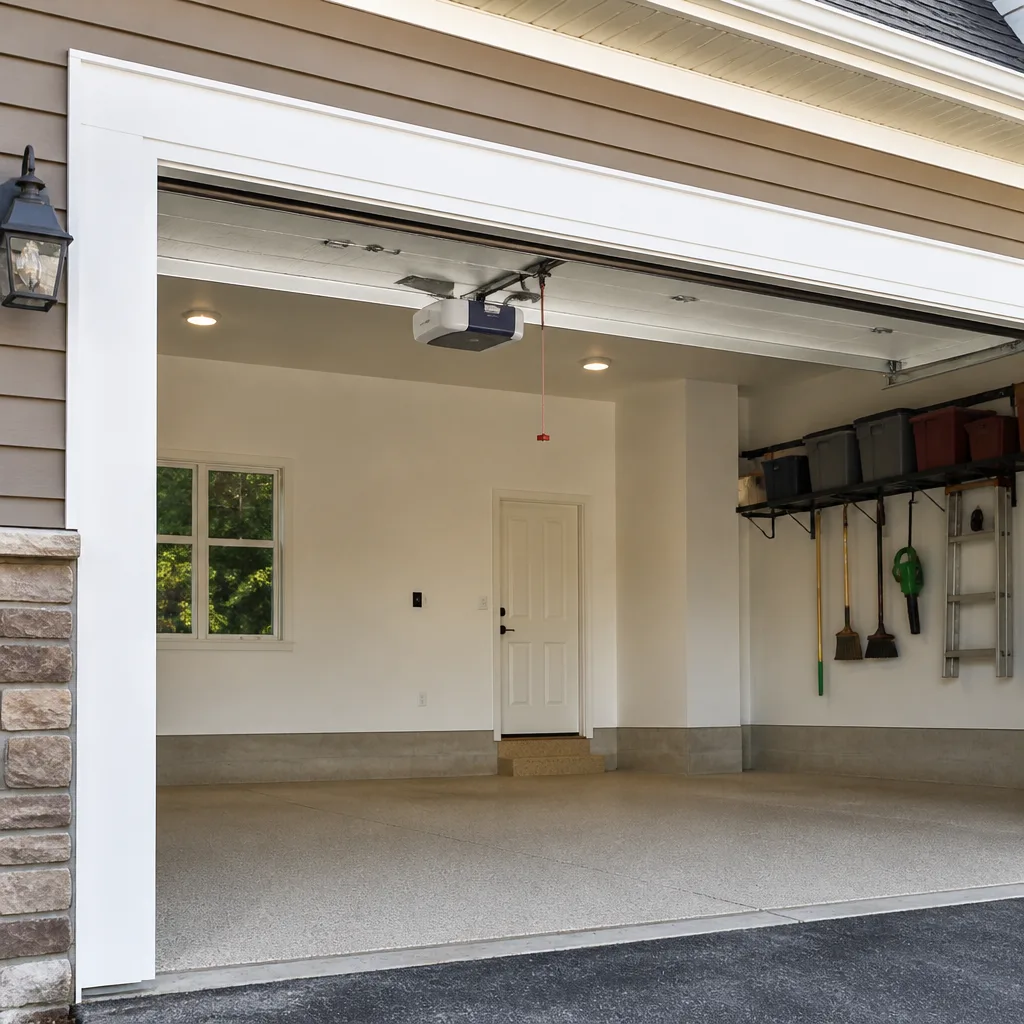 LiftMaster openers
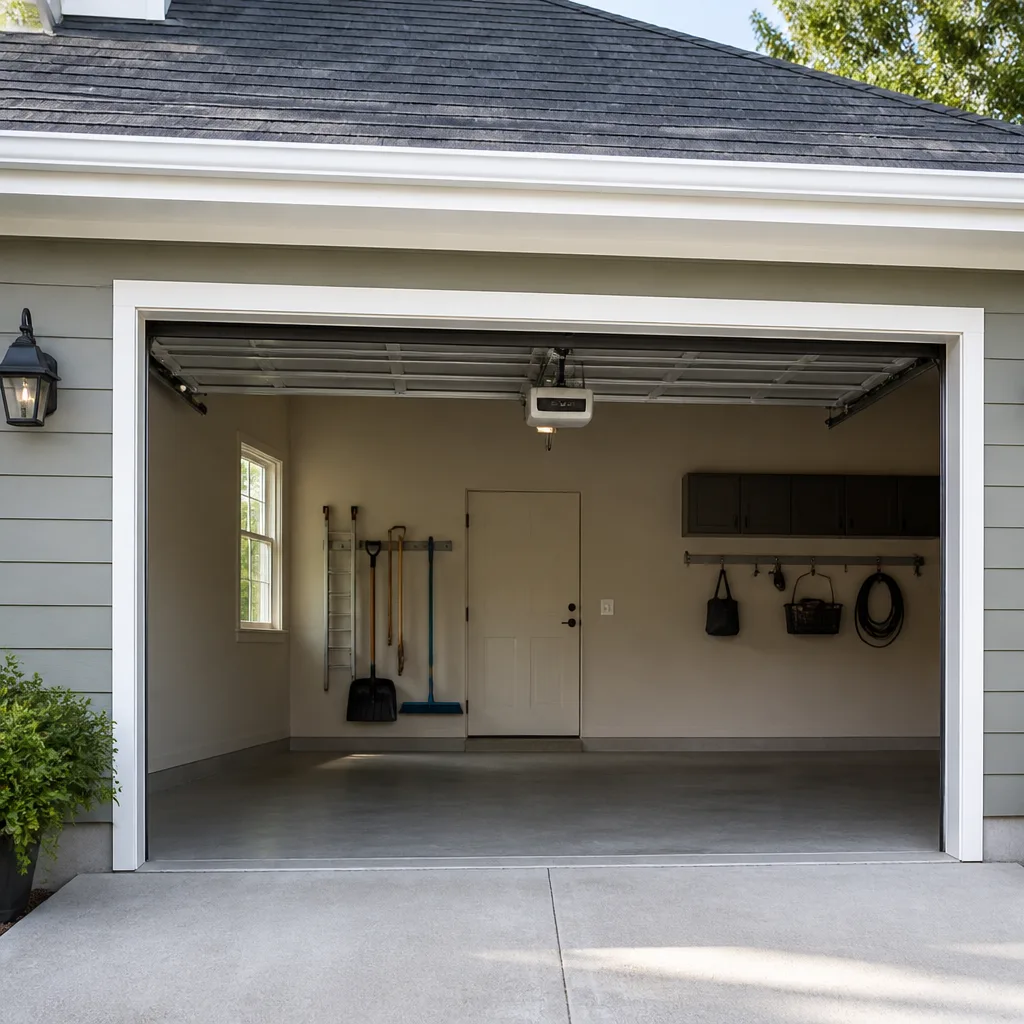 Chamberlain openers
Full 25-point door and opener safety check with every visit - springs, cables, rollers, tracks, and your LiftMaster or Chamberlain opener included
You get a price before we start. It does not change when the pro arrives.
Get your free estimateSeasonal Garage Door Care for Cottage Grove: Year-Round Homeowner’s Guide
The most expensive garage door repair in Cottage Grove – a broken torsion spring in January – is almost always preventable in October, when the spring is under different tension and still accessible to lubrication. Most homeowners here treat garage door care as a once-a-year afterthought, if that. But Cottage Grove’s climate doesn’t wear out garage doors evenly. It works on specific components in a predictable sequence, and that sequence is tied to freeze-thaw cycles, humidity swings, and temperature extremes that generic seasonal guides ignore. The guide below walks you through what Cottage Grove weather actually does to your door, month by month, and what to do about it before it becomes an urgent call.
Quick Answer
Garage door care in Cottage Grove follows the local climate, not the calendar: lubricate and adjust in October before the first hard freeze, watch for sticking and misalignment during the March thaw, and manage summer humidity to slow cable rust and seal rot. Freeze-thaw cycles, not age, are what break most doors here, and the components fail in a predictable order you can get ahead of.
Styles & brands we work with
- Raised-panel steel
- Carriage house
- Modern flush
- Full-view glass
- LiftMaster openers
- Chamberlain openers
Table of Contents
- How Minnesota weather actually wears out your garage door
- The October pre-winter prep sequence
- What winter does to springs, cables, and openers
- Spring thaw: why doors that worked in December stick in March
- Summer humidity, rust, and the ventilation fix
- Month-by-month task calendar for Cottage Grove
- Know your system: what you can check and what you can’t
How Minnesota weather actually wears out your garage door
Between a January low near -20°F and a July high near 90°F, every metal part of your garage door expands and contracts. That’s more than a 100-degree swing over a year, and it happens more often than most people realize. Steel tracks, torsion and extension springs, hinges, and the door panels themselves all move at slightly different rates, and the fasteners and bushings that hold them together take the wear.
What fails first isn’t random. In our experience across Cottage Grove, the order is fairly consistent:
- Lubricant breaks down first. Cold thickens grease in the rollers, hinges, and spring coils. When it’s too stiff to spread, friction climbs and the opener works harder or the door drags.
- Springs fatigue next. A torsion spring holds different tension at -10°F than at 80°F, and the repeated cycling between those extremes speeds metal fatigue. The spring that snaps in January was usually weakening all fall.
- Weatherseals compress and lose their seal. The bottom seal flattens against a cold slab, and gaps let in drafts, snow, and moisture. A seal that looks fine in August can be letting cold air under the door by December.
- Cables and bottom brackets corrode slowly. This one runs on its own schedule, driven by humidity and road splash more than temperature.
The point is that the failures are predictable, which means they’re partly preventable. The rest of this guide maps each task to what the weather is doing at that moment, so you’re not guessing. And when something does go wrong, garage door repair is the call that gets it diagnosed and fixed correctly.
The October pre-winter prep sequence
October is the most valuable month on the Cottage Grove garage door calendar. The first hard freeze locks in whatever condition your hardware is in, and problems you could have adjusted in mild weather become January emergencies. The sequence matters, so do it in this order.
- Lubricate everything that moves. Apply a garage-door-specific lubricant to the torsion spring coils, hinges, roller stems, and bearing plates. Don’t use heavy grease in cold weather; it stiffens. A light, cold-rated lubricant keeps working when the temperature drops.
- Check the balance of the door. Disconnect the opener and lift the door halfway by hand. It should hold there. If it drops or feels heavy, the springs may be losing tension and need a professional look before winter.
- Inspect and adjust the weatherseal. Look at the bottom seal and the side and top seals. If the bottom seal is flat, cracked, or not touching the floor, replace it before the cold sets in. A tight seal keeps snow, drafts, and moisture out and cuts the strain on your opener.
- Tighten hinges, brackets, and track bolts. Cold-season vibration loosens hardware faster. Snug everything now so the cold doesn’t finish the job.
- Test the safety reverse. Put a piece of wood flat on the floor under the door and close it. The door should reverse on contact. Do the same with the photo-eye test.
- Clear the tracks and check alignment. Wipe debris out of the tracks and make sure they’re straight. A slightly bent track turns into a jammed door when cold metal contracts.
If your door is older or you’ve noticed it getting louder or slower, October is also the right time to have it looked at, rather than waiting for a failure in the cold. Getting ahead of it is cheaper than an emergency, and it’s the difference between a smooth winter and a stuck door on the coldest morning of the year.
What winter does to springs, cables, and openers
Winter is where the October prep pays off, because once the deep cold arrives, everything gets harder. Metal contracts and stiffens, lubricant thickens, and the opener has to work against more resistance. A door that felt smooth in September can feel sluggish and heavy in January.
This is the season when torsion and extension springs fail. Cold makes the steel less ductile, and a spring already near the end of its cycle is most likely to break when it’s stressed by low temperature. A snapped spring is dangerous: it’s a high-tension component under serious load, and it can whip or snap violently. This is one task we never recommend for a homeowner. Spring repair done right, done safely is a job for a trained technician with the proper tools, which is why garage door spring repair is a core part of what we do.
Openers also take a beating in winter. If you have a LiftMaster or Chamberlain unit, cold weather can trip its force-sensitivity settings, and the opener may stop and reverse or refuse to close. That’s often a symptom of a door that’s binding, not an opener that’s failed. A Genie or older Craftsman opener can behave the same way. The fix is usually to address the door’s balance and friction first, then test the opener. We work on the brand you already have, so a winter tune-up doesn’t mean a replacement.
Keep the tracks clear of snow and ice, and never force a frozen door. If the door won’t move, stop and call rather than burning out the opener or damaging the panels.
Spring thaw: why doors that worked in December stick in March
Doors that ran fine all winter often start sticking or misaligning in March, and homeowners are usually surprised. The thaw is hard on garage doors in ways winter isn’t. As temperatures swing above and below freezing, moisture gets into the tracks, hinges, and seals, then refreezes overnight. That freeze-thaw cycle is the main culprit.
What’s actually causing the sticking:
- Ice in the tracks. Meltwater runs into the track and refreezes, creating a ridge the rollers have to climb. The door may stick, jump, or come off track.
- Swollen and shifted weatherseals. A seal that compressed in the cold can stay deformed, and the door may not close fully against a shifted threshold.
- Loosened hardware. The winter’s vibration and thermal movement leave hinges and brackets looser than they were in fall, and the door’s alignment drifts.
- Corroded cables and rollers. Moisture that got in over winter starts to show as rust on cable strands and stiff rollers, which adds friction right when you need the door to move freely.
The spring tune-up is the mirror of the October prep: lubricate again, check balance, inspect for rust and worn rollers, clear and check the tracks, and re-tighten hardware. Catch the misalignment in March and you avoid the worn rollers, bent tracks, and opener strain that follow a season of a door running off-kilter. If the March check turns up a cable or roller issue, garage door opener repair and a look at the door’s moving parts together usually solve it.
Summer humidity, rust, and the ventilation fix
Summer storms push humid air into attached garages, and that moisture does quiet, steady damage. It’s happening in the background while the door gets used every day, and most homeowners never connect the two. The humidity accelerates corrosion on cables, springs, and hinges, and it softens the bottom seal so it rots faster.
The fix most people miss is ventilation. An attached garage that stays sealed through a humid summer traps moisture against metal and rubber. A little airflow changes the equation:
- Open the garage door to air it out after a humid stretch, when it’s safe to do so.
- Check for blocked vents or gaps that let humid air pool in one spot.
- Look at the bottom seal for rot as summer ends; a soft, crumbling seal is a sign moisture has been sitting against it.
- Wipe down and lubricate cables and hinges before the humid season and again after, so surface rust doesn’t get a foothold.
Rust on a cable isn’t cosmetic. A cable with corroded strands is weaker and more likely to fail under load, and a failed cable is a safety issue. If you see rust or fraying on the cables or notice the door hanging unevenly, have it checked. We service every major brand, including Clopay doors and the openers that run them, so the summer check covers the whole system rather than just the part that’s easiest to see.
Month-by-month task calendar for Cottage Grove
Here’s the calendar we’d hand a Cottage Grove homeowner. It follows the local seasonal pattern rather than a generic four-season split, because our transitions are sharper and the timing matters.
- April: Post-thaw tune-up. Lubricate, check balance and alignment, clear tracks of winter grit, inspect for rust.
- May: Pre-humidity check. Lubricate cables and hinges, inspect the bottom seal, improve garage airflow before the humid months.
- June – August: Monthly visual check. Look for rust, listen for new noise, watch the seal and the door’s travel. Keep the garage aired out during humid stretches.
- September: Test the safety reverse and photo-eyes. Note any slowing or strain in the opener before winter adds load.
- October: The big one. Full pre-winter prep: lubricate with a cold-rated product, adjust and replace weatherseals, tighten hardware, check balance, test the safety reverse.
- November: Final cold-weather check. Confirm the door closes fully and the seal is tight before the hard freeze.
- December – February: Monitor. Keep tracks clear of ice and snow, don’t force a frozen door, and watch for sluggish opener behavior or a door that won’t stay down.
- March: Thaw check. Clear ice and meltwater from the tracks, lubricate, re-tighten hardware, inspect cables and rollers for rust.
Two tune-ups a year, in April and October, cover most of what a Cottage Grove door needs. Everything in between is a quick look and a listen. If you’d rather have a specialist do it, we can handle the full seasonal check so nothing gets missed.
Know your system: what you can check and what you can’t
Some seasonal care is genuinely do-it-yourself. Some of it isn’t, and the line between the two is worth knowing so you stay safe and don’t make a small problem worse.
What you can safely check and do:
- Lubricate springs, hinges, roller stems, and bearing plates with a door-specific lubricant.
- Test the safety reverse and photo-eye sensor.
- Wipe out and inspect the tracks for debris, bends, or ice.
- Check and replace the bottom weatherseal.
- Tighten visible hinge and bracket bolts.
- Listen for new noises and watch for slowing, sticking, or uneven travel.
What needs a trained technician:
- Torsion and extension spring repair or replacement. These are under high tension and can cause serious injury, so they’re not a DIY job.
- Cable repair or replacement. A cable under load can fail suddenly.
- Track straightening after the door has come off track.
- Opener repair, force-setting adjustment, or replacement.
- Any time the door is hanging unevenly, won’t balance, or has a snapped spring.
We’re a garage door specialist, not a general handyman, so every technician and every tool is focused on this one system. Our technicians have up to 13 years of experience with torsion springs, cables, openers, and panels, and we handle the diagnosis, the repair, and full installation without handing you off. If the door won’t move and it’s a security or access problem, emergency garage door service is available: when the door won’t move, we move fast. We’re open Sunday through Friday, 7am to 7pm, and closed Saturday.
Common Mistakes to Avoid
- Waiting for the first freeze to prep. By then the lubricant has stiffened and the seal has compressed. Cottage Grove’s October window is when adjustments actually take hold.
- Using heavy grease in cold weather. It thickens and adds friction instead of reducing it. Use a cold-rated, door-specific lubricant.
- Ignoring the bottom seal. A flat or rotted seal lets in moisture and cold all winter and strains the opener. It’s cheap to replace and easy to overlook.
- Force-closing a stuck door. A frozen or misaligned door that’s forced can bend tracks, break cables, or burn out the opener. Stop and find the cause.
- Attempting spring or cable work yourself. These components are under high tension. This is where homeowners get hurt, and it’s the repair we most often see done wrong.
- Skipping the March thaw check. Ice and moisture do their damage quietly through the thaw. Catching misalignment in March prevents worn rollers and opener strain later.
- Letting summer humidity sit. A sealed, humid garage rusts cables and rots seals faster. Airflow is the fix most people never try.
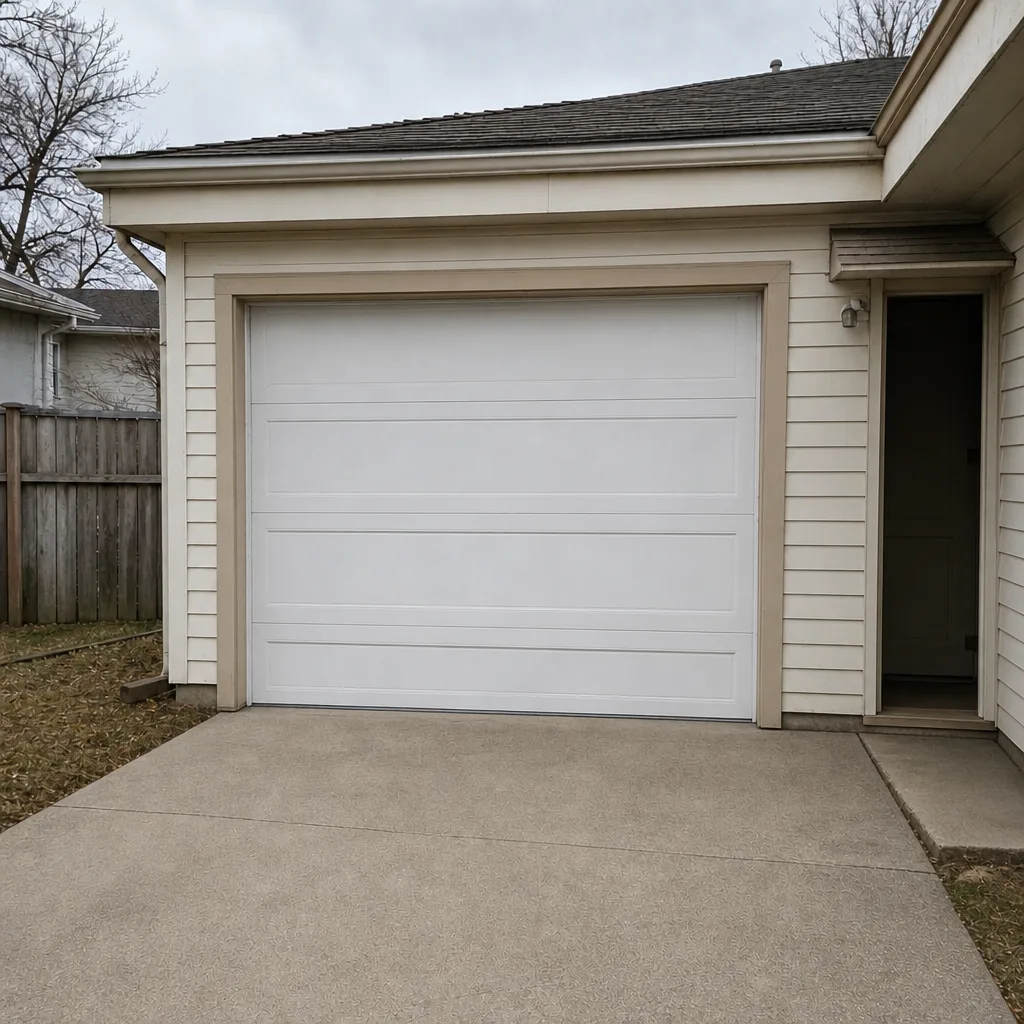
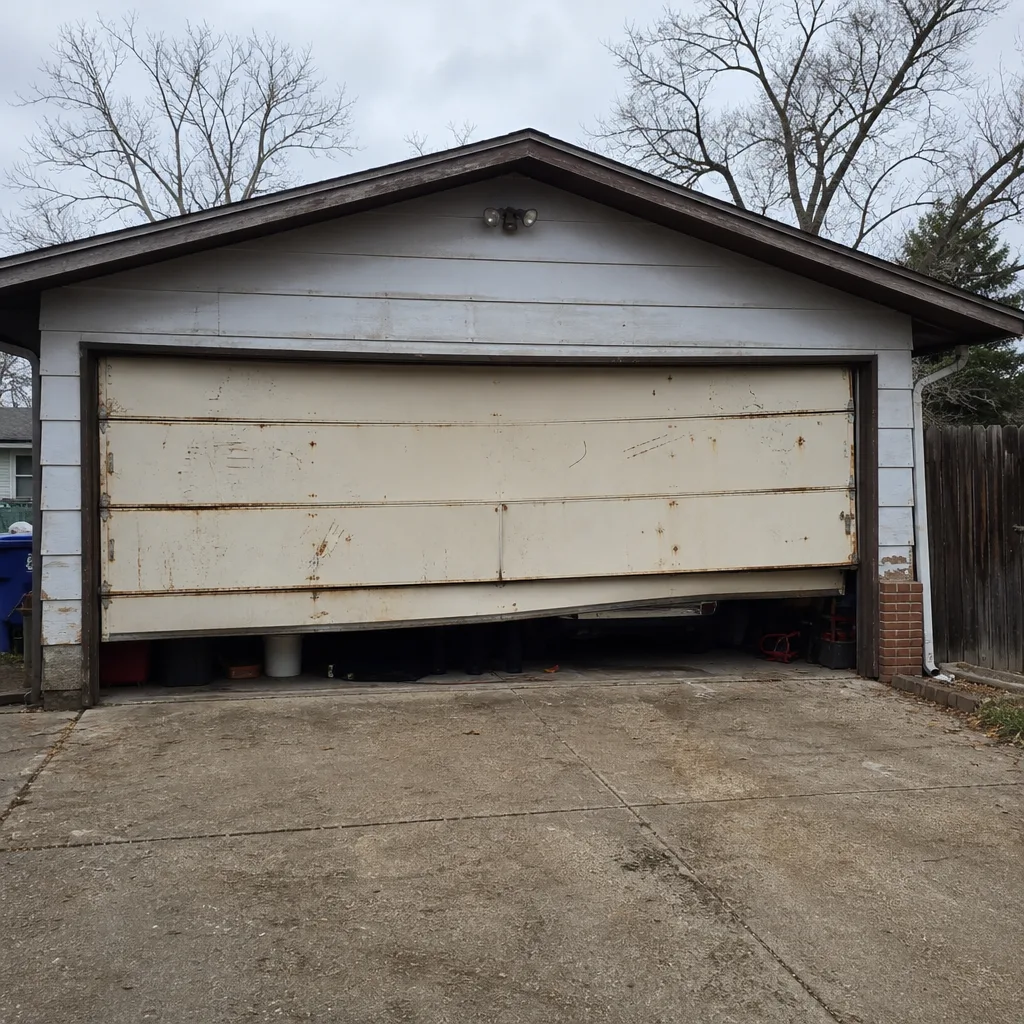
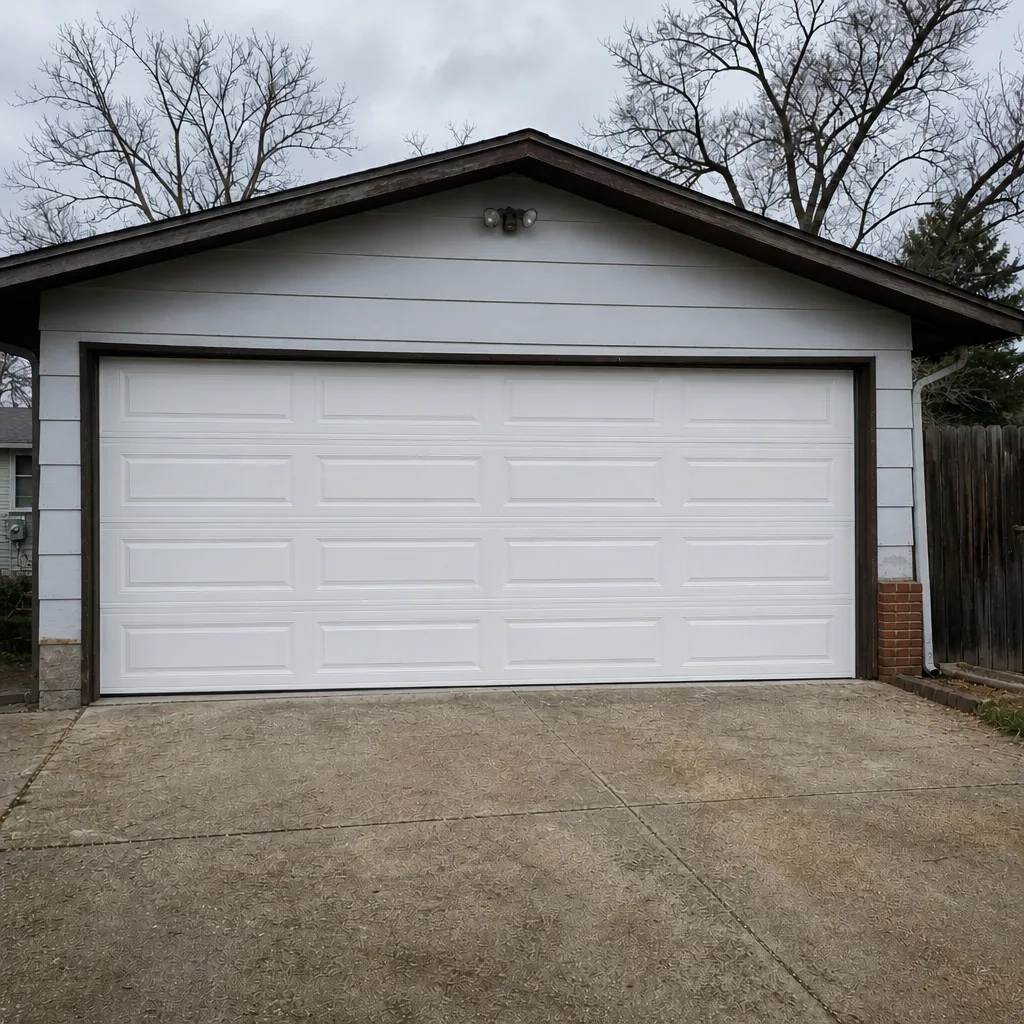
See the difference
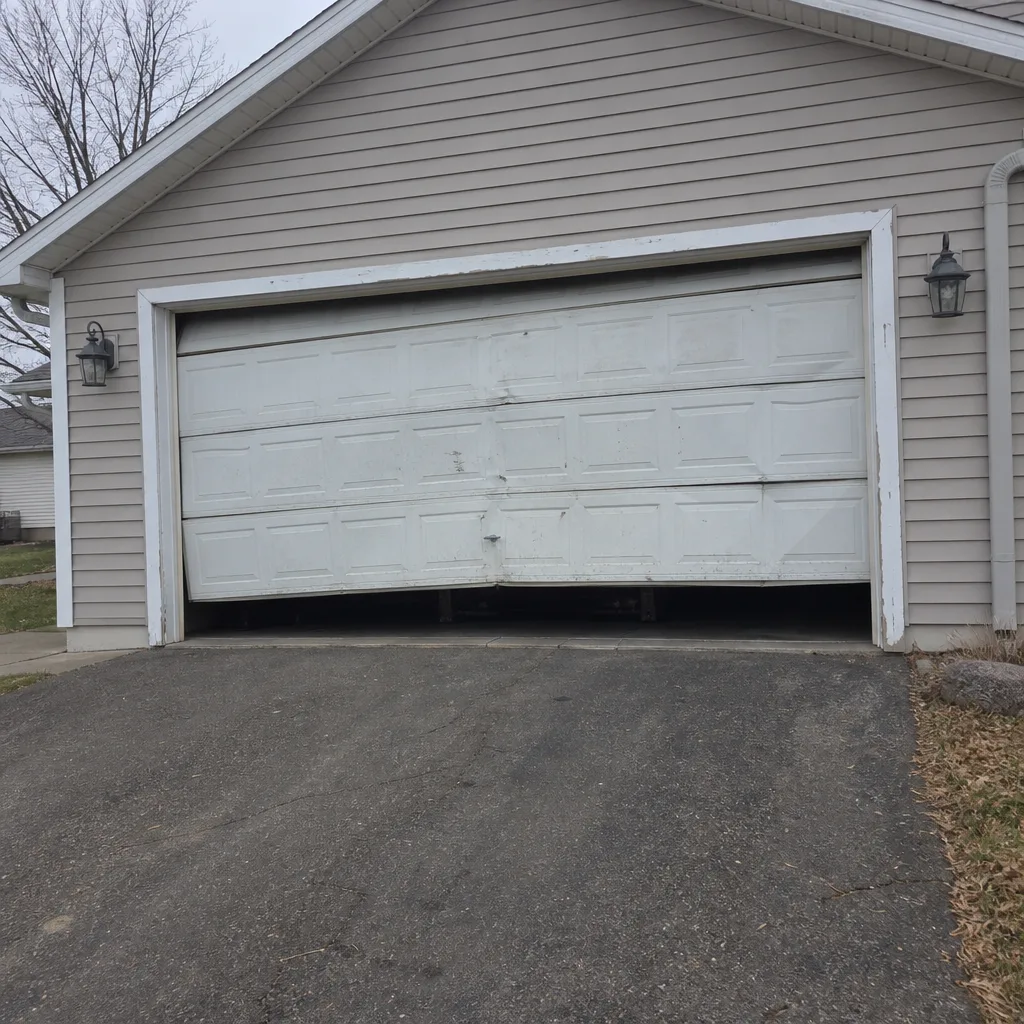 Before
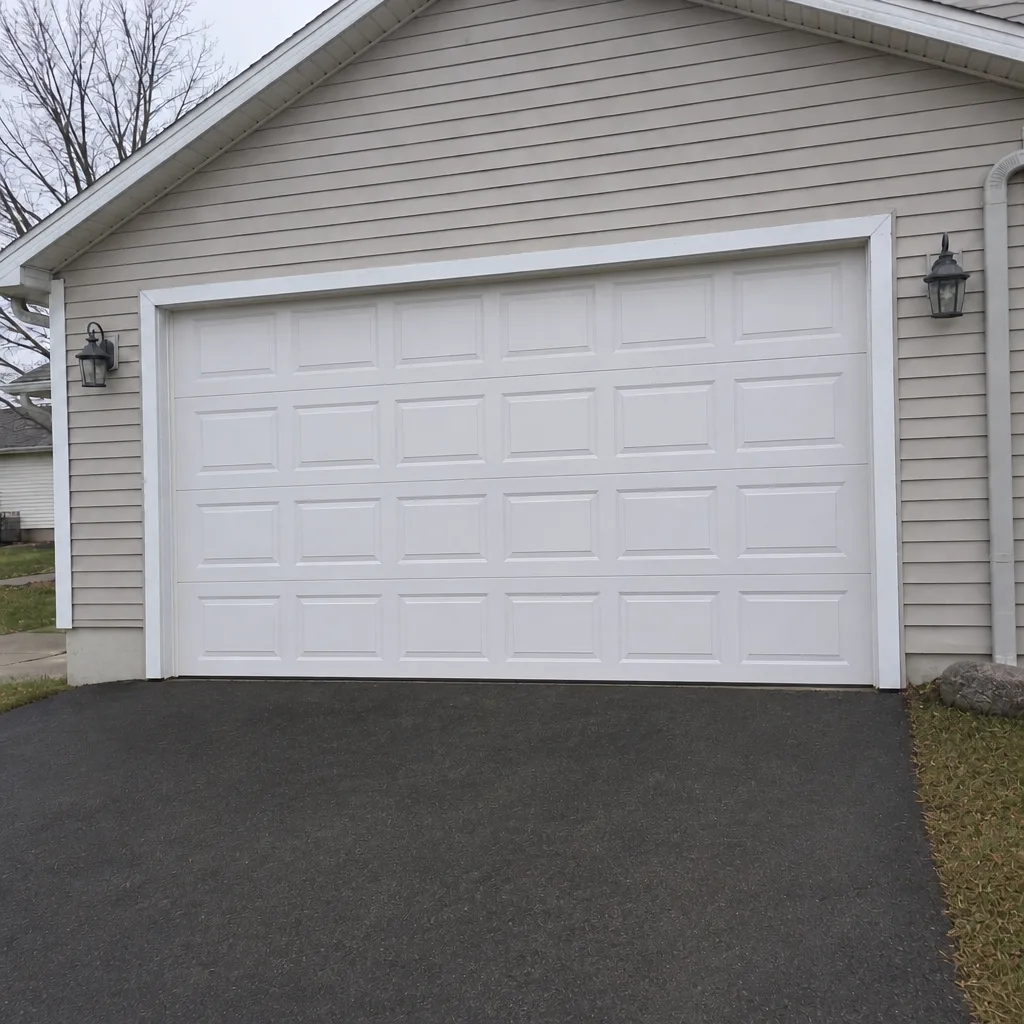 After
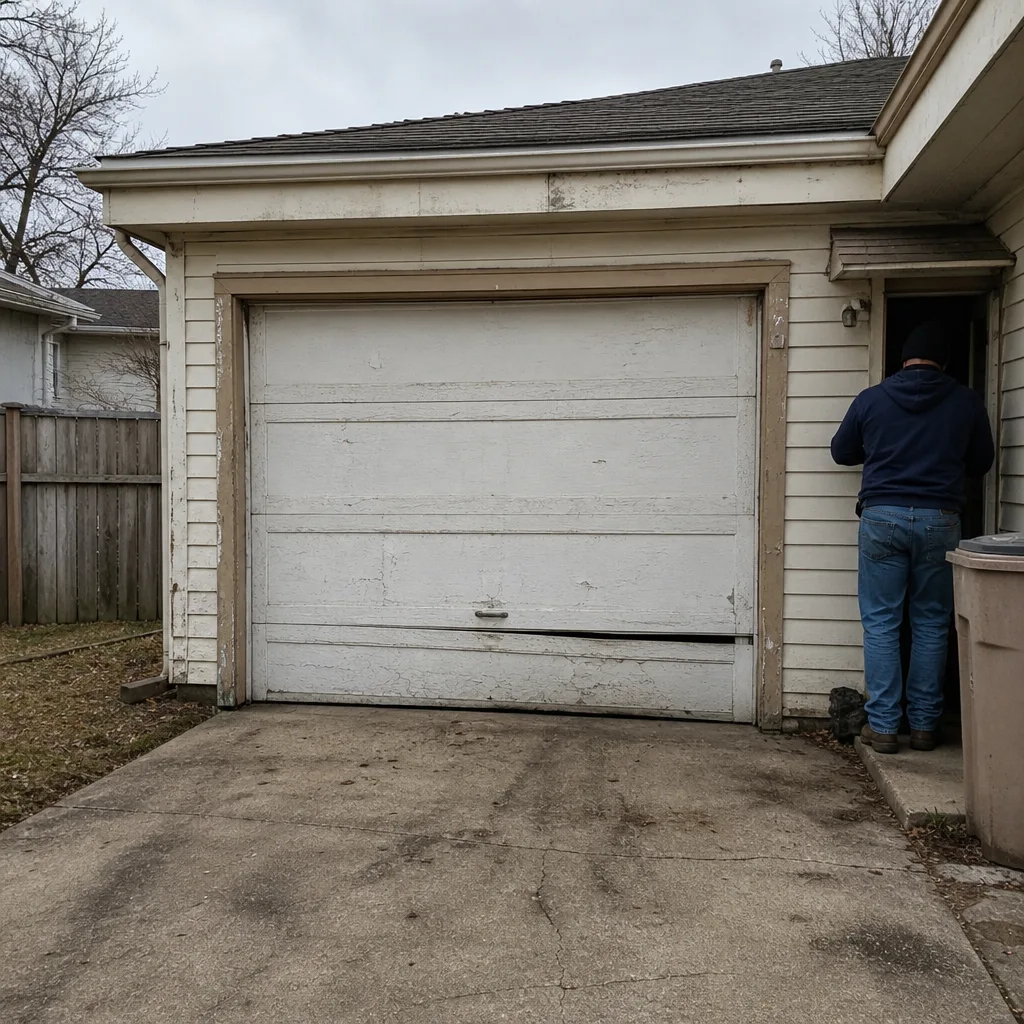 Before
 After
 Before
 After
When to Call a Professional
Call a professional when the door won’t balance, hangs unevenly, or won’t stay down; when you hear a loud snap and the door won’t lift (a strong sign of a broken spring); when a cable is frayed or rusted; when the door has come off track; or when the opener reverses, strains, or stops responding after you’ve cleared the obvious causes. Any of these involves components under load or electrical settings that need a trained eye. If a door failure is creating a security or access problem, emergency service is available. Garage Door Repair Cottage Grove offers free estimates in Cottage Grove; call (833) 345-4676, and the price is quoted and agreed before any work starts. We’re open Sunday through Friday, 7am to 7pm, and closed Saturday.
Frequently Asked Questions
Twice a year covers most Cottage Grove doors: a thorough tune-up in October before the first freeze and a thaw check in April. Between those, a quick monthly look for noise, rust, and seal condition keeps small issues from growing. If your door gets heavy use or you notice it slowing, add a mid-summer check.
Freeze-thaw cycles are the cause. Meltwater gets into the tracks and hinges, refreezes overnight, and creates ice ridges and stiff joints the door has to fight. The fix is clearing ice and moisture from the tracks, re-lubricating, and re-tightening hardware that loosened over winter.
We’re closed Saturday. We’re open Sunday through Friday, 7am to 7pm, and we’ll book you into the next available day. Call (833) 345-4676 and we’ll find a time that works.
Lubricating and inspecting are safe for a homeowner. Repairing or replacing a torsion or extension spring is not. Those springs are under high tension and can cause serious injury if handled incorrectly. Lubricate freely, but leave spring repair to a trained technician.
Humid air trapped in an attached garage rusts cables and hinges and softens the bottom seal so it rots faster. Improving airflow and lubricating and wiping down metal parts before and after the humid season slows the damage. Check the cables for rust at the end of summer.
October is the best window because the hardware is still easy to adjust and lubricant spreads properly before the cold. Waiting until the first freeze means working against stiff grease and compressed seals, and a problem that could have been caught in fall often becomes a January emergency. Call (833) 345-4676 if you’d like the full pre-winter check; estimates are free.
The Bottom Line
Cottage Grove garage doors don’t wear out on a generic four-season schedule. They wear out in a predictable sequence driven by freeze-thaw cycles, humidity, and temperature extremes: lubricant first, springs next, seals and cables on their own timeline. Prep in October before the freeze, watch during winter, check again in March as the thaw sets in, and manage summer humidity with airflow and lubrication. Most of the costly failures we see were preventable with two tune-ups a year and a quick monthly look. For the parts you shouldn’t touch, spring and cable work in particular, call a specialist.
Ready for a seasonal check or a repair? Call Garage Door Repair Cottage Grove at (833) 345-4676 for a free estimate. We’re open Sunday through Friday, 7am to 7pm, and closed Saturday. Garage doors are all we do, and we work on the brand you already have.
Written by the team at Garage Door Repair Cottage Grove.