Last updated November 23, 2026
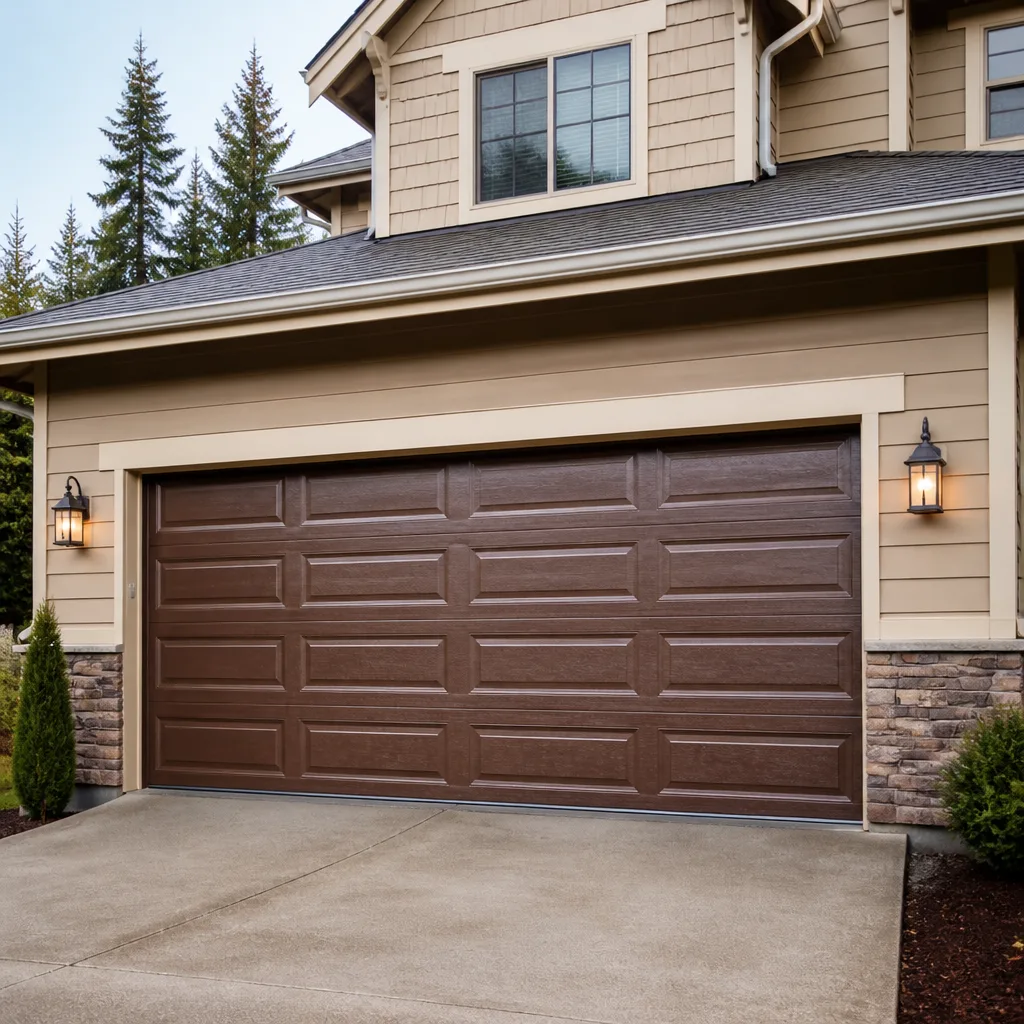 Raised-panel steel
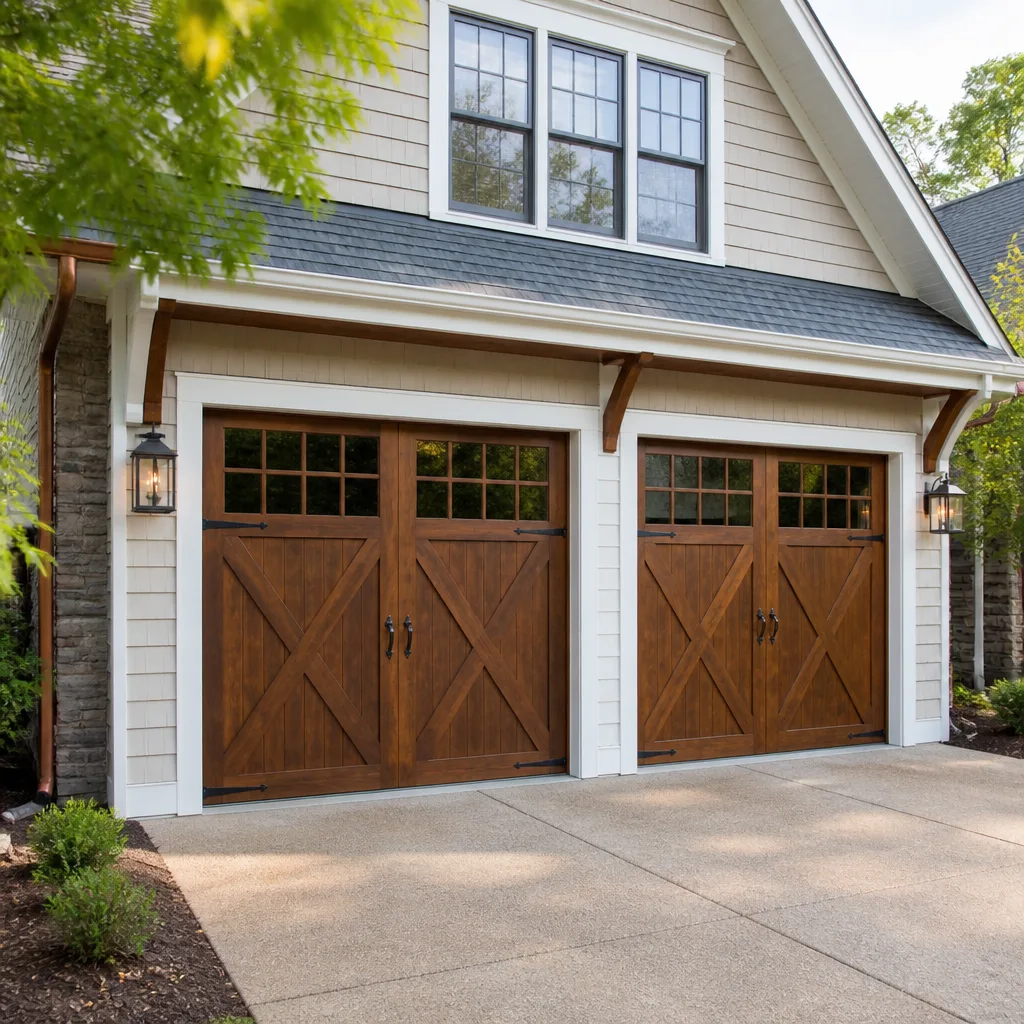 Carriage house
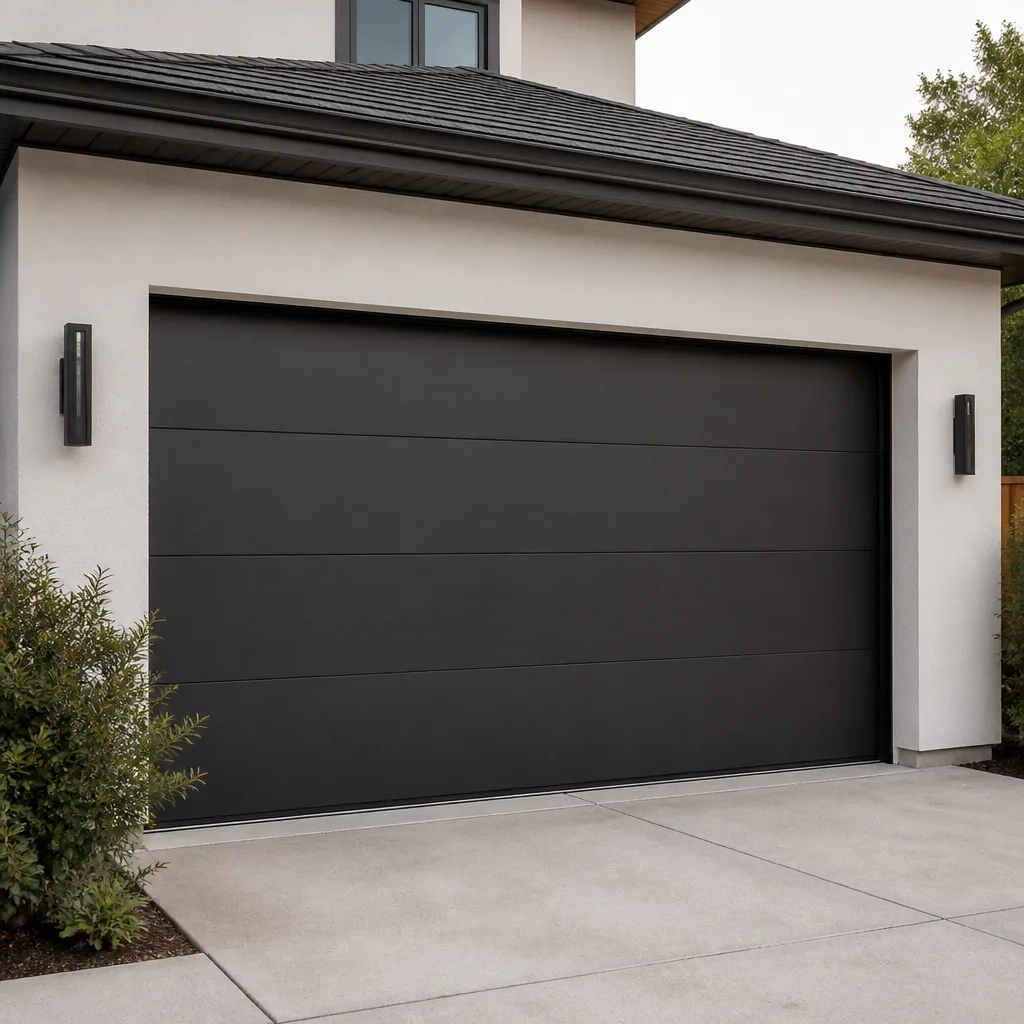 Modern flush
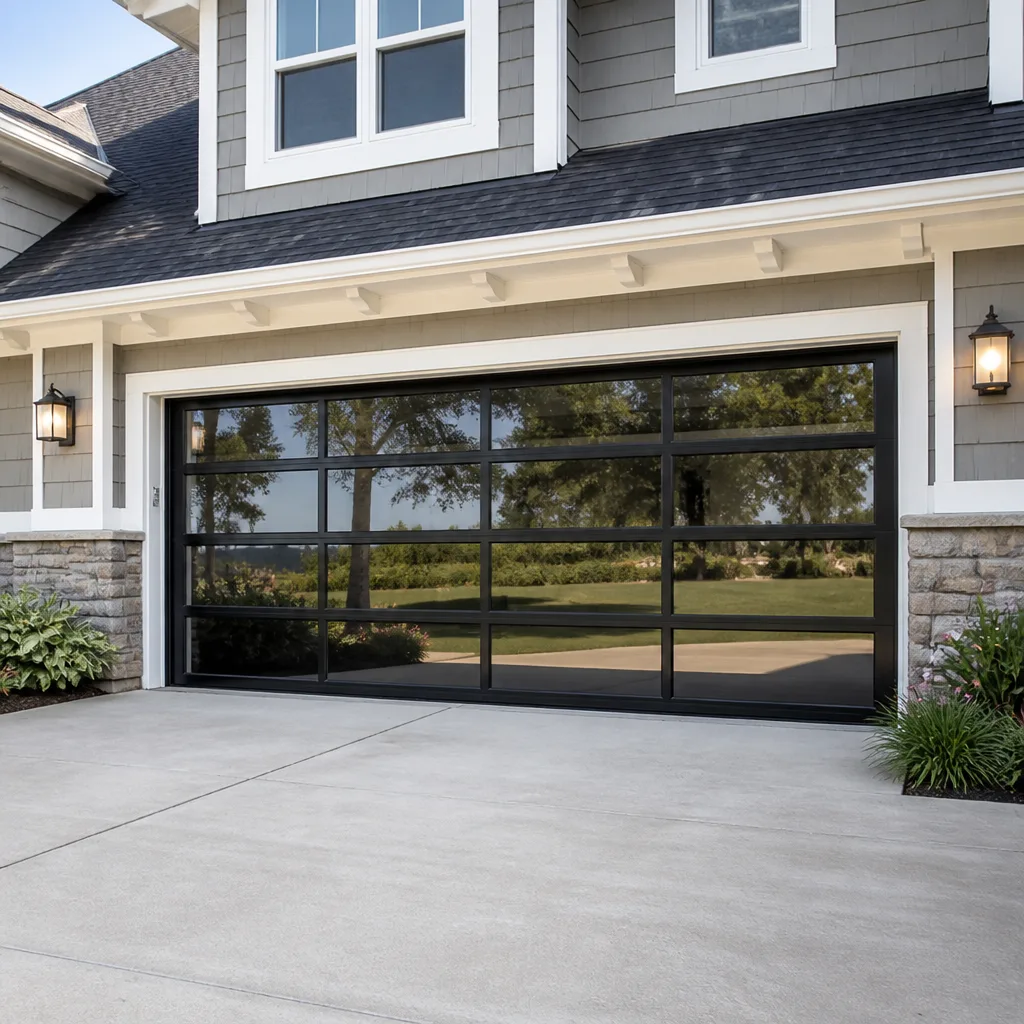 Full-view glass
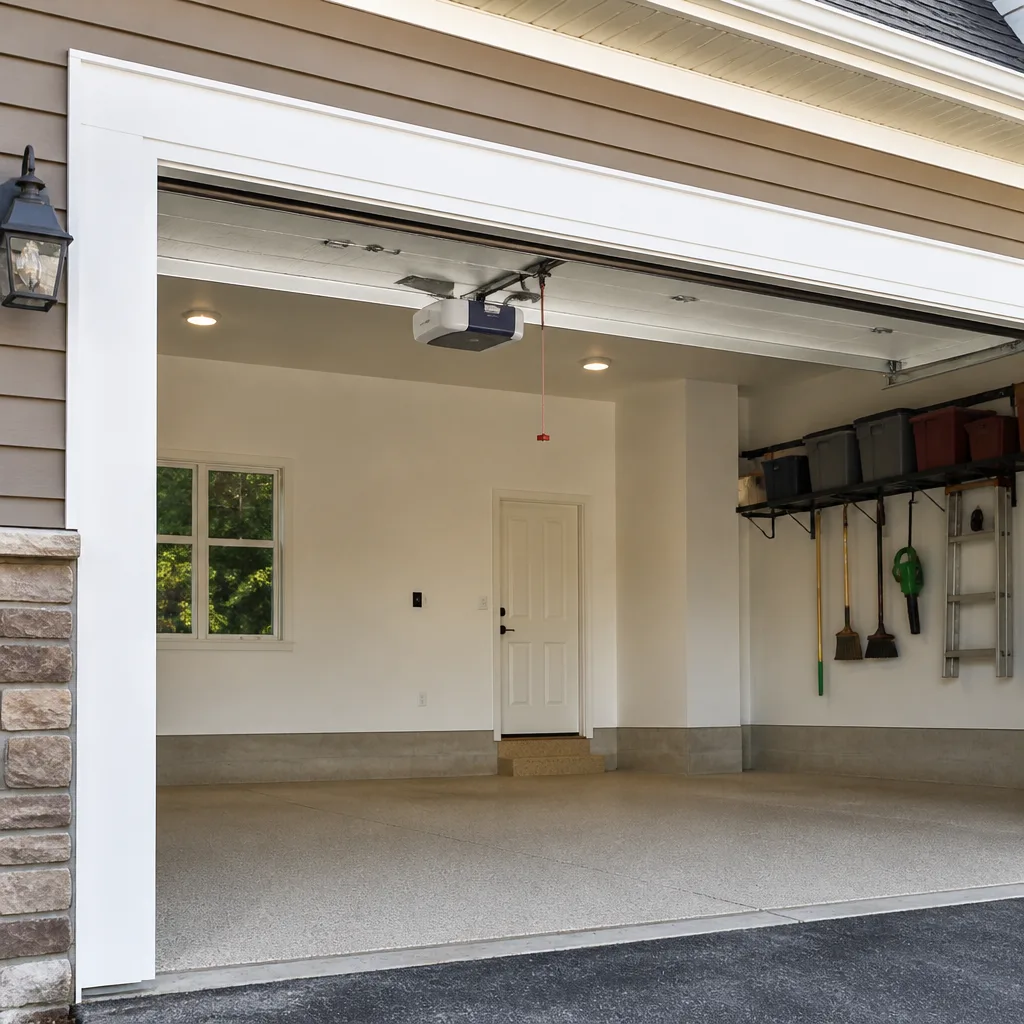 LiftMaster openers
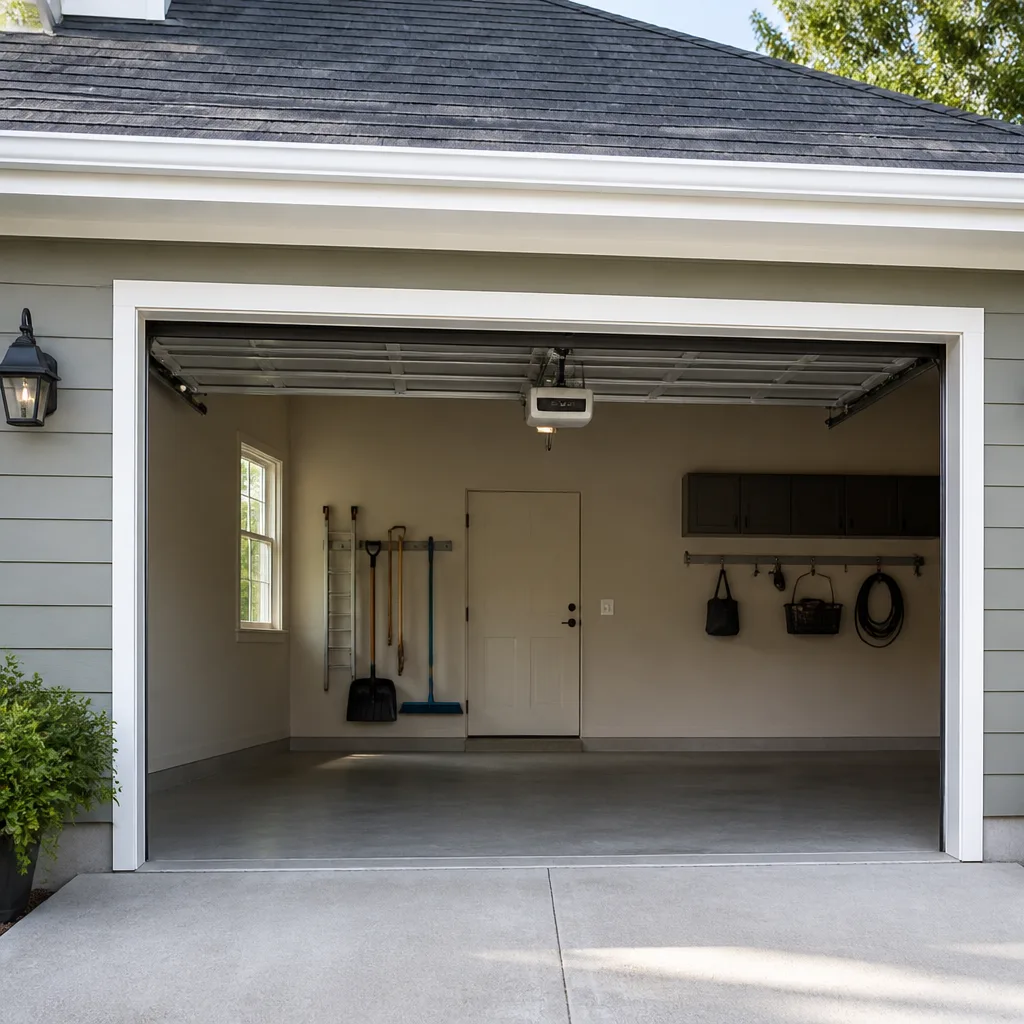 Chamberlain openers
Full 25-point door and opener safety check with every visit - springs, cables, rollers, tracks, and your LiftMaster or Chamberlain opener included
You get a price before we start. It does not change when the pro arrives.
Get your free estimateHow to Hire a Garage Door Contractor in Cottage Grove: A Step-by-Step Guide
Search for garage door repair in Cottage Grove and you’ll notice something odd. Several of the top results are general handyman services that also hang drywall, build decks, and handle a little plumbing on the side. That’s the trap. The average homeowner fixates on the license check and skips the bigger question: is the person showing up actually a garage door specialist, or is this their third time touching a torsion system? A technician who has done the same repair fifty times reads a door differently than one who has done it five. This guide gives you the exact questions that separate the two, so you book right the first time.
Quick Answer
To hire a garage door contractor in Cottage Grove, first confirm the company specializes in garage doors rather than treating them as a side service, then ask what Minnesota contractor licensing actually covers, verify they carry general liability and workers’ comp insurance, and insist that the written quote lists parts by name and grade. A specialist should know the brand you already own (LiftMaster, Chamberlain, Genie, Raynor), explain whether the springs are OEM or approved-equivalent, and tell you the final price before the truck arrives. If they dodge any of those, keep calling.
Styles & brands we work with
- Raised-panel steel
- Carriage house
- Modern flush
- Full-view glass
- LiftMaster openers
- Chamberlain openers
Table of Contents
- Specialist vs. Generalist: The One Question That Tells Them Apart
- What Minnesota Contractor Licensing Covers (and What It Doesn’t)
- Questions to Ask Before You Book
- Red Flags in a Quote
- Why Same-Brand Service Matters for Opener Repair
- How to Verify OEM or Approved-Equivalent Parts
- Cold-Climate Considerations in Cottage Grove
- The 7-Step Hiring Process
Specialist vs. Generalist: The One Question That Tells Them Apart
The single most useful question you can ask a garage door contractor in Cottage Grove is this: “What percentage of your work is garage doors and nothing else?” A specialist answers immediately. A generalist hesitates and gets vague about “a mix of things.” That hesitation matters, because garage doors are a high-tension mechanical system, not a carpentry checkpoint. Springs, cables, drums, hinges, rollers, and openers all work together, and diagnosing one wrong part is expensive.
Here’s the practical difference. A specialist can look at a sagging door and tell whether the trouble is a snapped torsion spring, a stretched extension spring, a cable off a drum, or a bent track without taking the whole thing apart. A generalist typically replaces what looks obviously broken and then discovers the second problem on the callback. Multi-trade shops make their money spreading attention across dozens of jobs. A garage door specialist makes their money knowing one system cold.
We handle garage door repair as the entirety of what we do. Torsion springs, extension springs, cables, openers, panels, and full replacements land on the same desk. That focus is the reason a technician diagnosing your door in Cottage Grove can name the likely failure in the first few minutes rather than guessing through a multi-trade workflow. The reason your neighbor’s door sounds different from yours isn’t the color, it’s the spring type, the opener brand, and how many cycles that door runs in a day. A specialist reads all of it.
One more point. A specialist doesn’t upsell replacement as a default. If the hinges and rollers are fine and only the spring has failed, you should hear that. Push back hard on any contractor who quotes a full door swap before diagnosing the actual fault.
What Minnesota Contractor Licensing Covers (and What It Doesn’t)
Minnesota licenses residential contractors through the Department of Labor and Industry, and the license number is a useful starting check. But for garage door work specifically, licensing tells you less than insurance does. Why? Because garage door repair is a specialty mechanical trade sitting outside the usual residential building categories, and an unlicensed operator can hide behind the “handyman exemption” for small-dollar jobs. The license matters. The insurance matters more, because the thing you’re actually protecting against is a technician getting seriously hurt on your property or dropping a door panel onto your car.
Before any work begins, ask for three things:
- General liability insurance. Ask for the certificate of insurance directly, not just “we’re insured.” That policy covers damage to your home, your vehicles, and your door if something goes wrong on the job.
- Workers’ compensation insurance. Critically important for garage door work. Springs under tension can release with real force, and a technician without workers’ comp can turn an injury into a claim against your homeowners policy.
- The Minnesota contractor license number. Verify it. The state lookup takes two minutes.
We’re clear about what we are: we connect Cottage Grove homeowners with vetted local professionals, and the local pro carrying out the work is licensed and insured as their state requires. Confirm those credentials yourself before booking, every time, with any company. Permits are a separate question. Most garage door replacements don’t require a permit in Minnesota because the door is considered an accessory to the structure, but local rules vary by project type and municipality. When in doubt, ask Cottage Grove’s building department directly. Never take a contractor’s word for it.
Questions to Ask Before You Book
These seven questions will separate a genuine garage door specialist from a company that adds garage doors to a long list of unrelated services. Write them down before you call.
- “How many garage doors has your team repaired this month?” An honest specialist answers easily. A generalist deflects to “we do a bit of everything.”
- “Do you carry general liability and workers’ comp?” Ask them to email the certificate. Total non-negotiable for the trade.
- “Which opener brands do you service?” You want to hear LiftMaster, Chamberlain, Genie, and the rest of the majors. If they only know one brand, your unit may confuse them.
- “Are your replacement springs OEM or approved-equivalent, and can I see the part spec before install?” If they can’t articulate the difference, walk.
- “Will the price I’m quoted today be the price I pay, or can it change on-site?” The right answer is that the price is quoted and agreed before any work starts.
- “What’s included in the diagnostic fee, and does it carry a trip charge?” This kills the “diagnostic waived with repair” trick before it becomes a problem.
- “Can you service my existing door, or are you going to recommend a full replacement?” A specialist offers repair first. A generalist who doesn’t trust his own diagnosis pushes replacement.
Two of those questions alone usually settle it. If a contractor can’t describe spring grade and can’t produce insurance documents, they’re the wrong hire for a Cottage Grove homeowner no matter what the quote says. When you want an exact number before booking, we offer free estimates across Cottage Grove. That’s a good moment to test these questions in person.
Red Flags in a Quote
The quote itself is a diagnostic. A carefully written estimate names parts, quantities, and labor. A vague one hides the markup in phrases that sound harmless but aren’t. Watch for these.
- “Springs and cables, misc. parts.” That line means nothing was itemized. You can’t compare two quotes if you don’t know whether the springs are OEM or the cheapest import.
- “Parts and labor” as one line. Fine on small repairs. On a full install, you want to see the door, opener, springs, track, and labor cost broken out.
- “Diagnostic fee waived with repair.” This looks like a discount and isn’t. It’s a come-on to remove the incentive to diagnose honestly. If the tech needs a repair to waive the fee, they’re motivated to find one.
- “Prices subject to change after inspection.” Reasonable on unknown jobs. Suspicious on a torsion spring swap where the failure is obvious from ten feet away.
- No written quote at all. A verbal-only estimate means the price can drift. Insist on paper or email before work begins.
We quote and agree every price before any work starts. The written estimate sets the final price. If a part turns out to be different once we’re on the job, we stop, re-quote, and get your approval before proceeding. A contractor who won’t offer the same commitment is telling you something with the silence. Call garage door opener repair first if the opener’s the failure, or our main line if you’re not sure what broke, and we’ll tell you honestly.
Why Same-Brand Service Matters for Opener Repair
Openers are not cosmetic. Each major brand runs its own logic board, its own safety-reverse sensor protocol, its own remote-pairing routine, and its own quirks. A technician who only knows LiftMaster will often misdiagnose a Chamberlain or Genie unit, then solve the “problem” by pushing a replacement. That’s not always malicious. It’s the natural outcome of someone who handles one brand ninety percent of the time.
Small but telling differences:
- Chamberlain and LiftMaster share a parent company, but their safety-reverse sensor wiring and travel limits aren’t identical. A tech who knows one assumes the other.
- Genie openers use a different LED diagnostic pattern than LiftMaster, and reading the wrong code sends you down the wrong path.
- Raynor openers are less common and often trigger a “we don’t carry parts for those” response from generalists, even when the fix is a universal remote or a simple logic board reset.
We work on the brand you already have. Our technicians service all the majors and across eight categories of equipment, so a Genie owner in Cottage Grove gets the same diagnosis as a Chamberlain owner, not a “sorry, we only do LiftMaster” shrug. The best tell here: ask a contractor on the phone which opener brands they service. If the list is short, the diagnosis on your door is likely to be short too. Our garage door spring repair work benefits from the same cross-brand training; spring failures aren’t opener-brand dependent, but the diagnostic process is the same one.
How to Verify OEM or Approved-Equivalent Parts
Parts quality is the difference between a spring that runs a decade and one that fails in a Minnesota winter. Ask three questions of any quote that includes replacement parts.
- “Is the part OEM or approved equivalent, and who makes it?” OEM means the original manufacturer. Approved-equivalent means a well-known aftermarket supplier whose specs meet or exceed the original. “Generic” is the word you never want to hear.
- “What’s the rated cycle life?” Spring life is measured in cycles (one open + one close). Ask for the rating. High-cycle springs cost more up front and last far longer. A contractor who can’t name the cycle rating is quoting blind.
- “Can I see the box or label before install?” Reputable installers show the packaging. If they won’t, you’re getting whatever’s cheapest in their truck.
In cold climates like ours, the difference is not abstract. Spring steel is more brittle when it’s cold, and a low-grade spring that runs fine in a warm shop may fail sooner than an OEM-grade equivalent under the repeated thermal swings of a Cottage Grove winter. Cable life also varies. Galvanized aircraft cable outlasts the cheaper plated cable that some installers use to keep quotes low. Ask for galvanized cable. Ask for cycle ratings on springs. Both take thirty seconds and both cost money to skip later.
If a quote uses the word “heavy-duty” without a spec, that’s marketing, not a part description. Push for the number.
Cold-Climate Considerations in Cottage Grove
Cottage Grove winters are hard on garage doors, and the reason matters. Every time temperatures swing far below freezing and back up during the day, the metal in your springs, cables, and track expands and contracts. Wooden doors absorb moisture and warp. Steel doors move the fraction of an inch that the installer’s gaps allow for, and sometimes that’s not enough. A door that ran silently in September can suddenly bind, screech, or come off the track in January.
What a specialist does about it that a generalist often skips:
- Checks and re-lubricates hinges, rollers, and torsion tubes after the first hard freeze. Cold grease thickens. Warm grease thins. Both cause doors to work harder than they should.
- Verifies the balance of the door. A door that isn’t balanced runs its opener harder, which shortens opener life. This is a cold-weather killer because the extra stress compounds.
- Inspects cables for rust and fraying before winter. Cheap plated cables rust faster in a condensation-heavy climate, and a rusted cable can snap mid-cycle.
- Confirms spring torque is correct for the rated door weight. Springs installed at the wrong torque fail faster, and cold makes the failure more likely.
Frost heave is another Cottage Grove issue. When the ground freezes and rises, it can shift the door jamb and put pressure on the door bottom. If your door started dragging or scraping during the first cold snap, that’s the likely cause. It’s not a sign that you need a new door, it’s a sign that the bottom seal or the track needs adjustment. A specialist should diagnose this in minutes. A generalist will call it a door problem and quote a replacement.
Our technicians have up to 13 years of experience, and a lot of that experience is cold-weather calls. If you’re reading this before the first freeze, schedule your inspection then. If you’re reading this after the first crack and snap, call us now. Our Garage Door Repair Cottage Grove team has an emergency response line for exactly this situation.
The 7-Step Hiring Process
Here’s the whole sequence, condensed. Follow it once and it becomes habit.
- Confirm specialization. Ask “what percentage of your work is garage doors?” and listen for a clear answer.
- Request insurance certificates and license verification. The state lookup takes two minutes. The insurance certificate should arrive by email before you book.
- Describe the problem over the phone. A specialist asks follow-up questions that reveal skill. A generalist asks for your address and moves on.
- Get the written quote by email or paper, never verbally. Line items by part, grade, and labor. No lump sums on parts.
- Confirm parts brand and grade. OEM or approved-equivalent, with cycle ratings for springs. Galvanized cable.
- Confirm the diagnostic fee policy in writing. No “waived with repair” trick.
- Confirm the price is agreed before any work starts. Written estimate sets the final price. Any change requires approval.
Then a seventh step that’s often skipped: ask the technician when they arrive to confirm the diagnosis before touching anything. A good technician walks you through what’s broken, what’s not, and what the price is. If a technician starts working before explaining the diagnosis, stop them. The safest, most reliable route is to let a specialist handle anything involving springs, cables, and openers.
Common Mistakes to Avoid
- Hiring a generalist to save a few dollars. A handyman who specializes in decks and drywall rarely gets enough garage door reps to diagnose a torsion spring correctly. What you save on the invoice, you pay on the callback.
- Skipping the insurance check. An uninsured technician hurt on your property can turn into a homeowners claim. Ask for the certificate and verify it before they arrive.
- Accepting a verbal-only quote. The price is only real if it’s written down and agreed to before work begins. Verbal estimates drift.
- Falling for “diagnostic fee waived with repair.” This creates an incentive to find a repair that may not be necessary. Prefer a clear diagnostic fee with an honest diagnosis.
- Not asking about OEM vs. generic parts. Low-grade springs and plated cables fail fast, and Cottage Grove’s freeze-thaw cycles aggravate it. Insist on cycle ratings and grades.
- Auto-replacing the door on every spring failure. A failed spring is almost always repairable. A specialist will offer the repair before pushing a full replacement.
- Forgetting frost heave is a seasonal reality. A door that binds in January may need a track or seal adjustment, not a new door. Have it diagnosed properly before agreeing to anything bigger.
See the difference
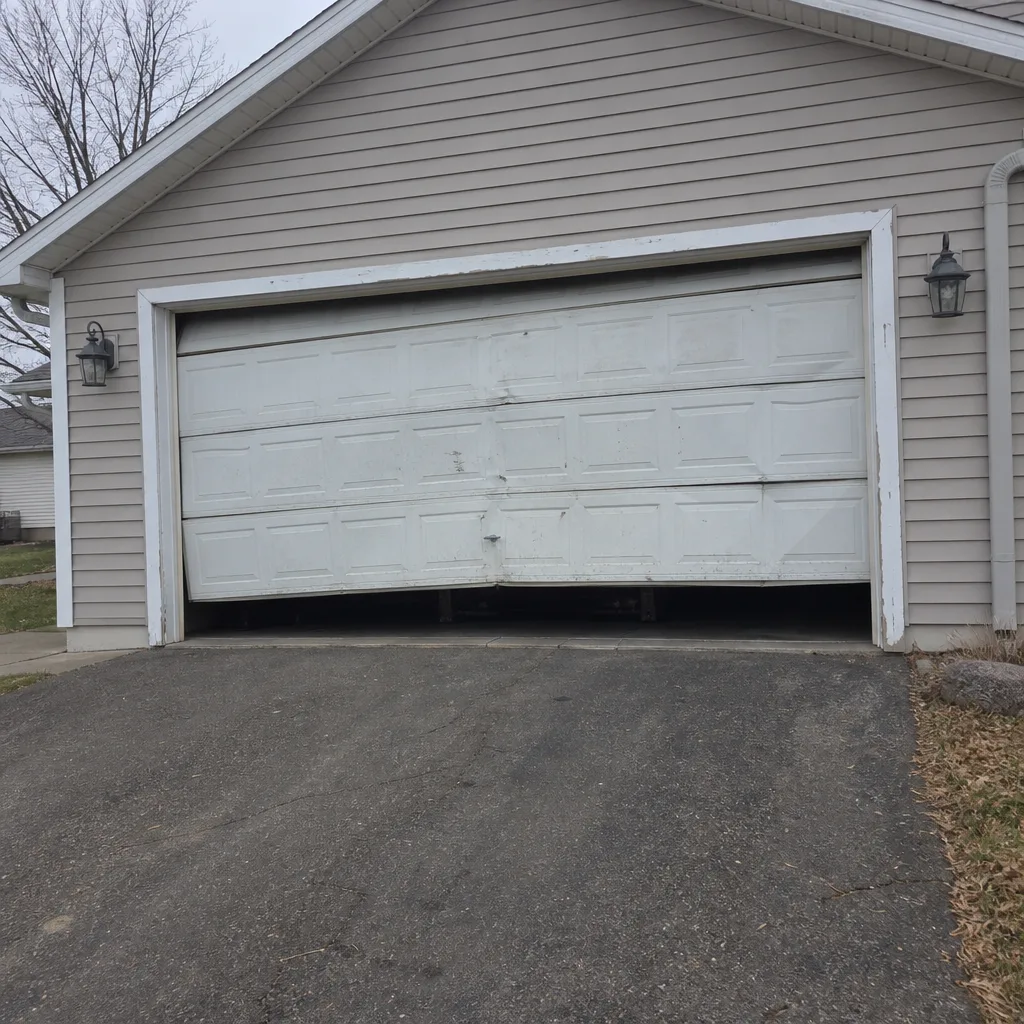 Before
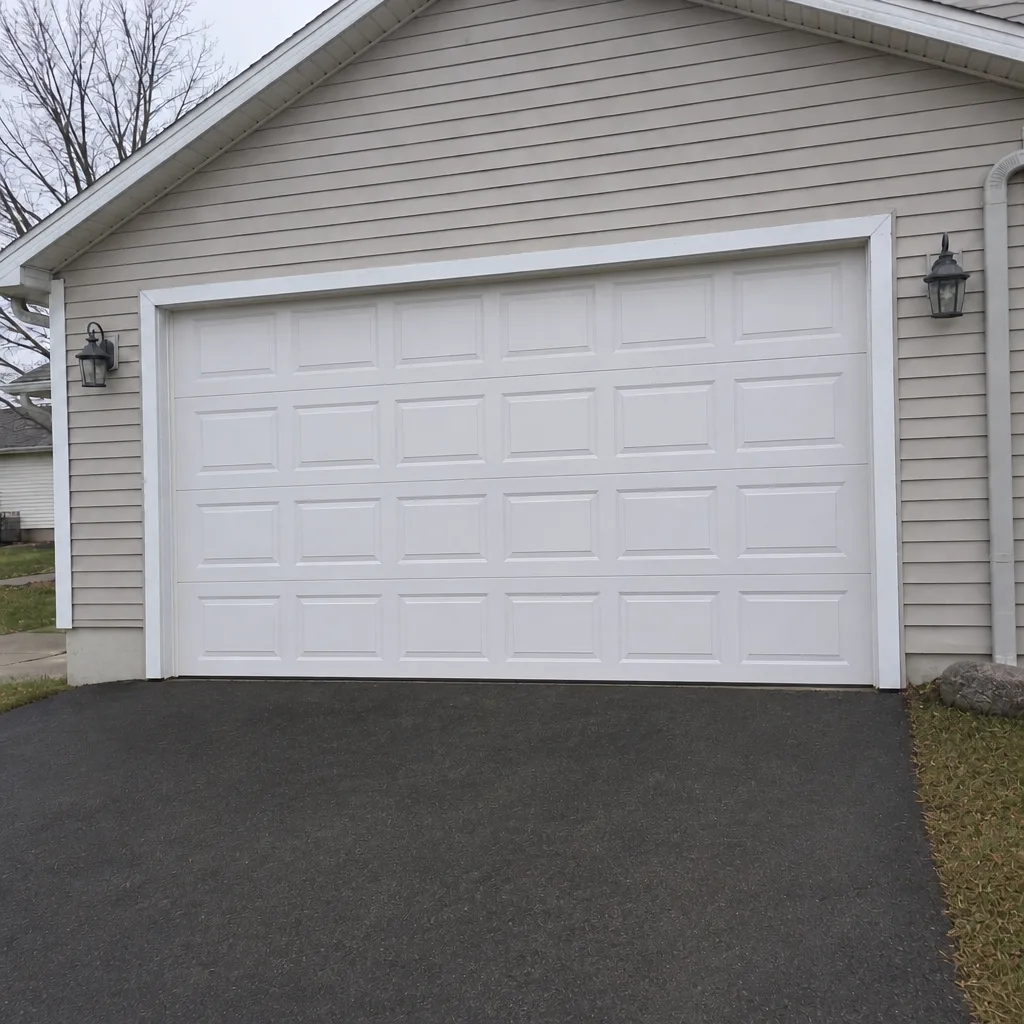 After
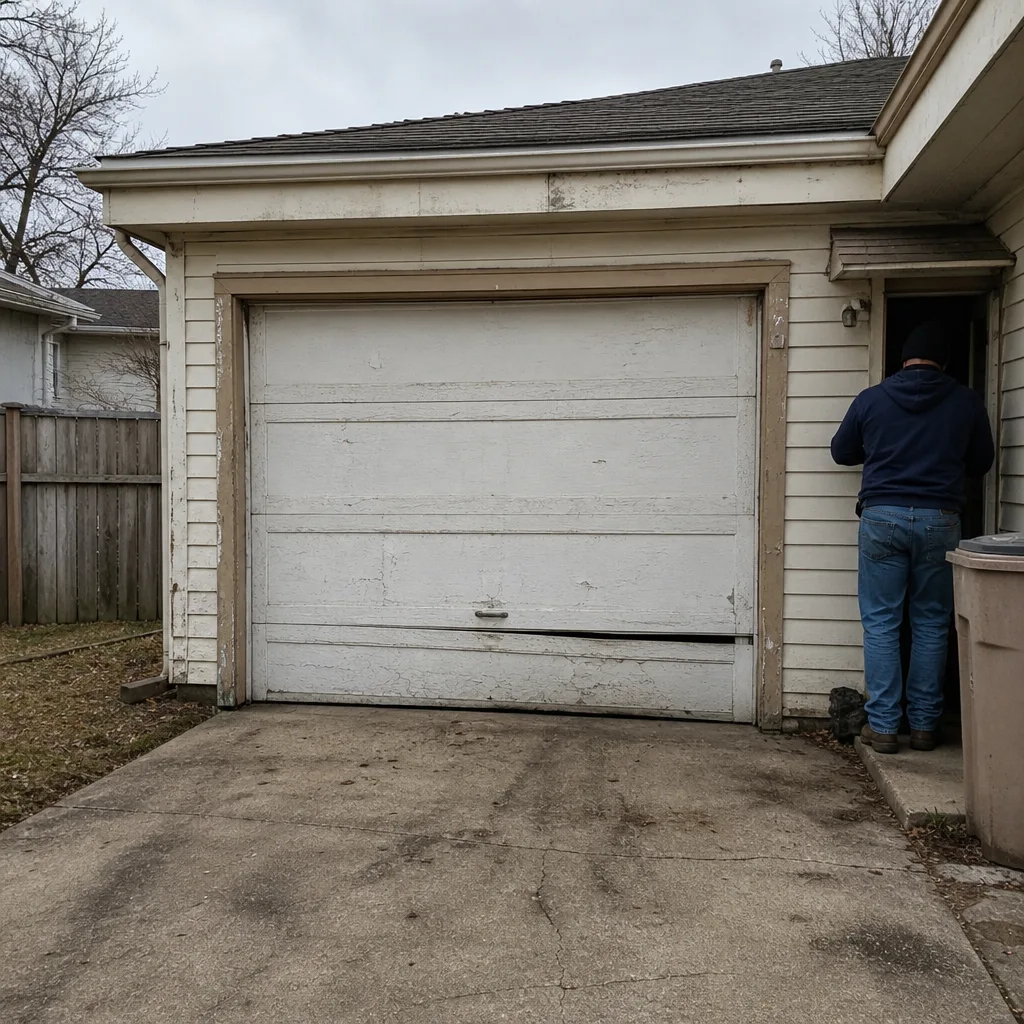 Before
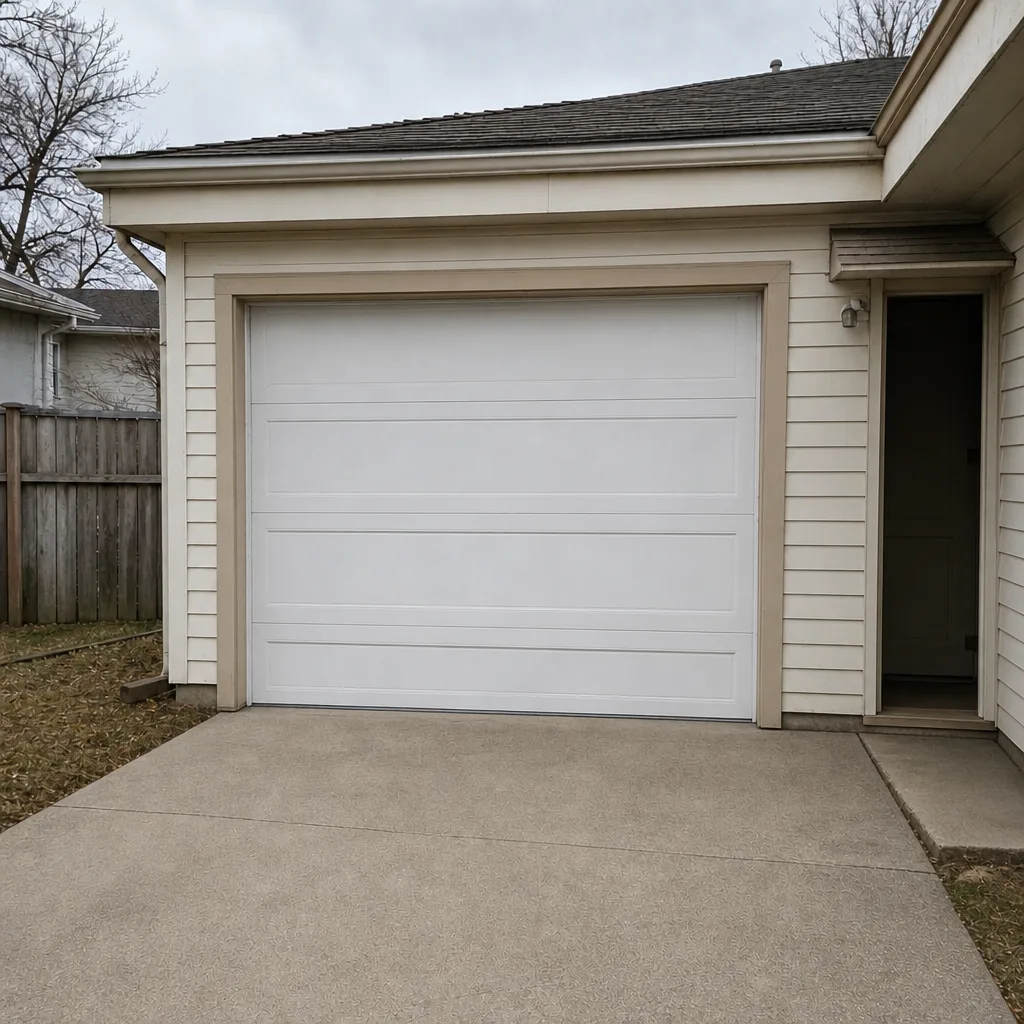 After
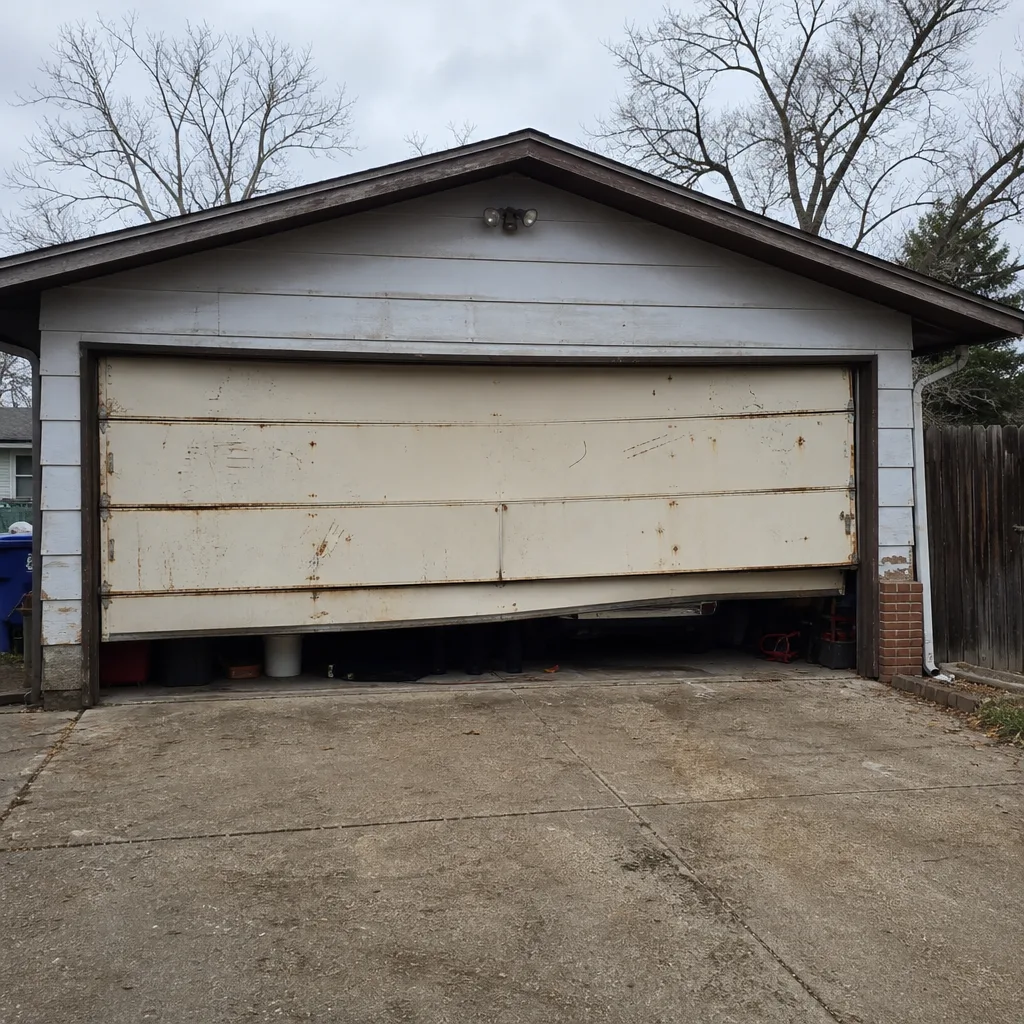 Before
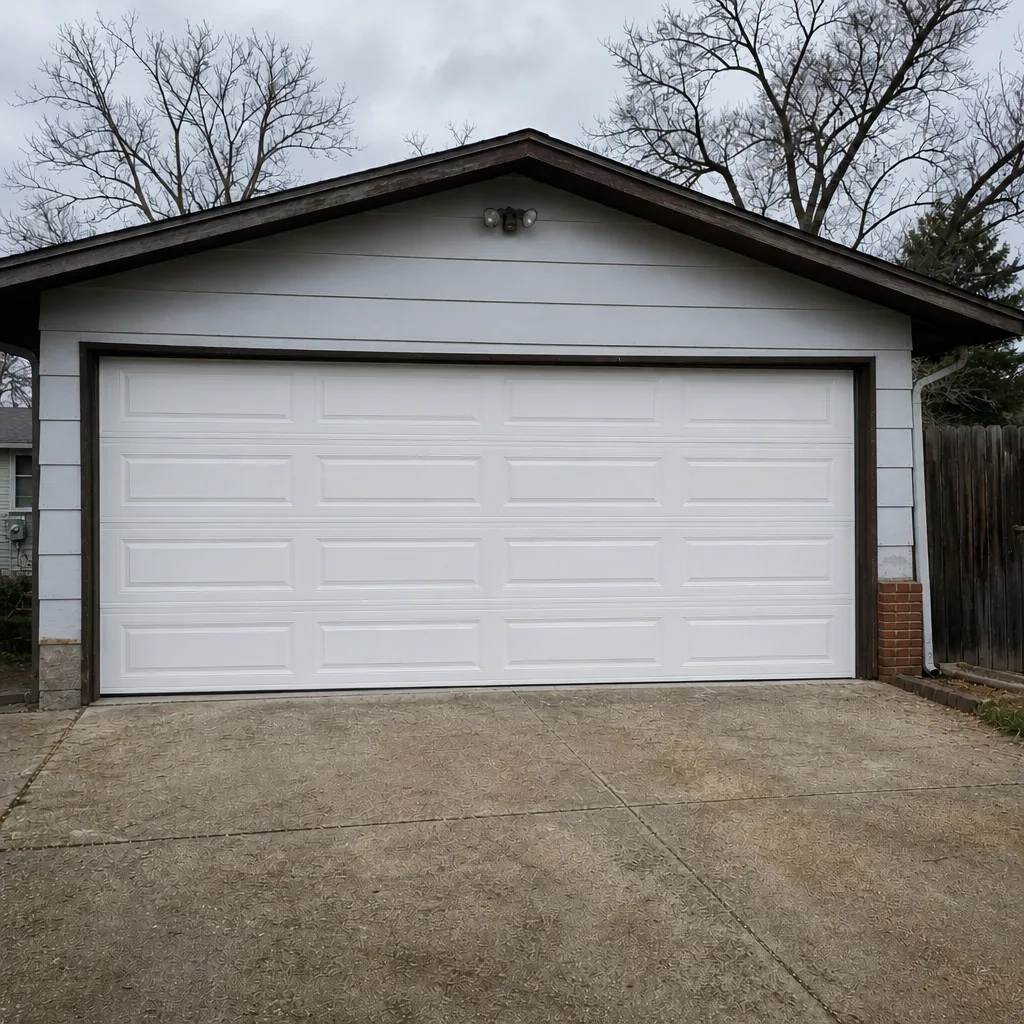 After
When to Call a Professional
Some garage door issues are safely solvable by the homeowner. A noisy hinge that needs a shot of silicone spray? That’s yours. A remote that’s stopped pairing and needs the battery swapped? That’s yours. But anything involving a torsion spring, an extension spring, a tensioned cable, a torsion tube, or the door coming off its track is a genuine safety risk. Springs under tension can release with real force, and this isn’t the place for a YouTube tutorial and a step ladder. Call a trained professional for those. Our team handles spring work as a core service because it requires the right tools and proper training to do safely.
Garage Door Repair Cottage Grove offers free estimates in Cottage Grove. Call (833) 345-4676 to book a diagnostic. Emergency service is available if the door won’t open at all or is hanging dangerously off its track, because a non-functioning door creates a real access and security problem for a household. Same-day service is available for urgent repairs. We’ll give you a written quote and agree the price before work starts, so there’s no surprise on the invoice.
Frequently Asked Questions
Ask them what percentage of their work is garage doors and name every brand they service. A specialist answers fast and lists the majors like LiftMaster, Chamberlain, Genie, and Raynor. A generalist hesitates, gets vague about “a mix of jobs,” and may only know one or two brands. Get that on the first phone call, before you book, and you’ll rarely get surprised.
Minnesota licenses residential contractors through the Department of Labor and Industry, and you should verify any license number the contractor provides. Garages door repair often falls into a residential specialty category, which is why insurance verification matters as much as the license. Ask for the general liability and workers’ comp certificates directly, and confirm you see them before any work starts. Call (833) 345-4676 for a free quote from a vetted local professional.
OEM springs are made by the original door manufacturer. Approved-equivalent springs are made by a reputable aftermarket supplier to the same or better specification, and often with a longer cycle rating. The difference you care about is the cycle rating and the steel grade, not the brand on the box. Ask for both numbers on any spring quote in Cottage Grove, because cold-climate life depends heavily on both.
No. Torsion and extension springs store tremendous force, and a release under tension can cause serious injury. This is work for trained professionals with the right tools and safety procedures. If your spring has failed, don’t attempt the swap. Book a specialist. Call (833) 345-4676 and we’ll quote the repair honestly.
It shouldn’t. The written quote should be the final price, and any change in scope should require your approval before the technician proceeds. If a contractor won’t commit to that in writing, that’s a tell. Our quotes are agreed before any work starts, so you’re never surprised by the invoice. Call (833) 345-4676 for an exact quote on your Cottage Grove repair.
A door stuck open leaves your home exposed, so treat it as urgent. Disconnect nothing yourself, especially if you suspect a spring failure, and call emergency service. Emergency garage door service is part of our core offering because a non-functioning door creates a real access and security problem. We’ll dispatch as fast as we can and diagnose on arrival. Call (833) 345-4676.
The Bottom Line
The best garage door contractor in Cottage Grove isn’t the one with the biggest ad or the lowest quote. It’s the one who answers the specialization question without hesitating, produces insurance certificates on request, quotes OEM or approved-equivalent parts with a cycle rating, agrees the price in writing before touching your door, and doesn’t push a replacement when the failure is a repairable spring or opener. Run through the seven questions above on your next call. If a contractor stumbles on more than one, thank them and dial the next number. Garage doors are all we do, we work on the brand you already have, and we’ll tell you what’s actually wrong before we quote. For a free estimate in Cottage Grove, call (833) 345-4676.
Written by the team at Garage Door Repair Cottage Grove.