Last updated November 23, 2026
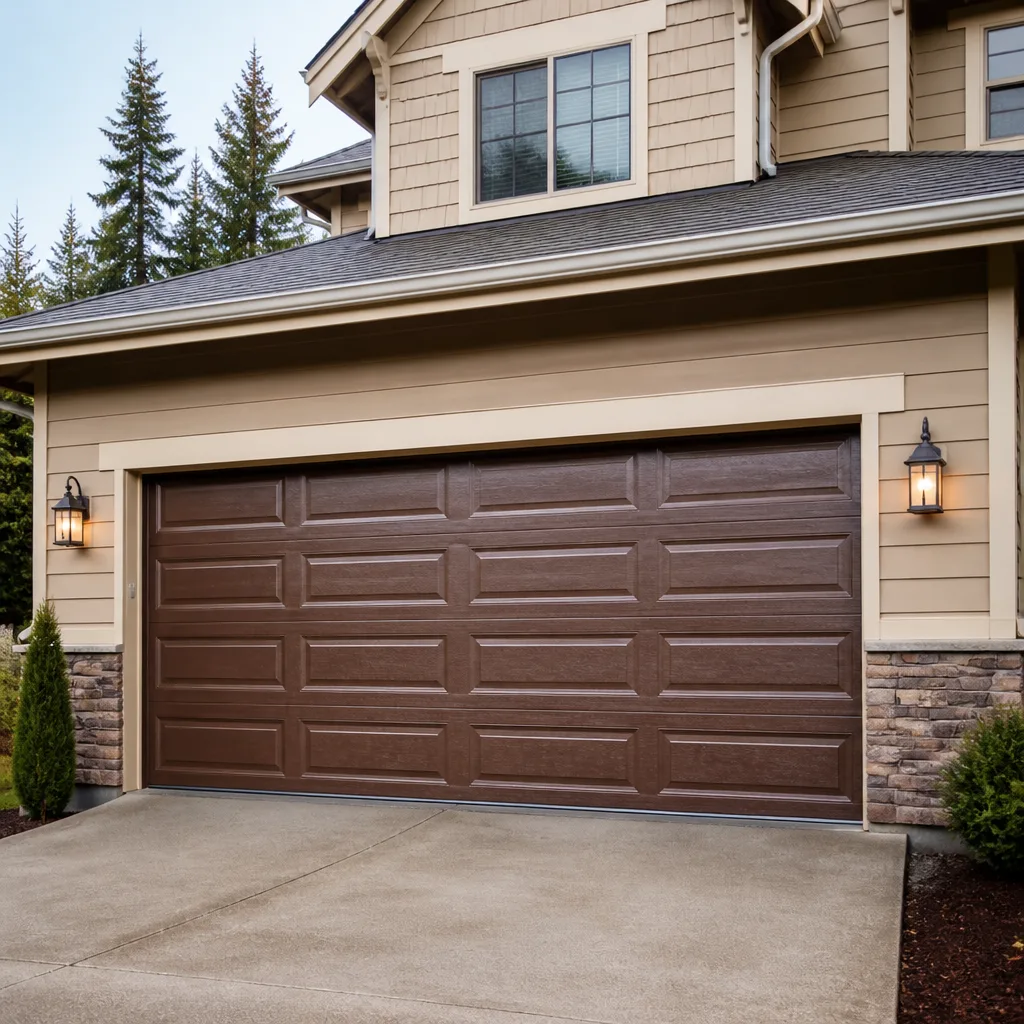 Raised-panel steel
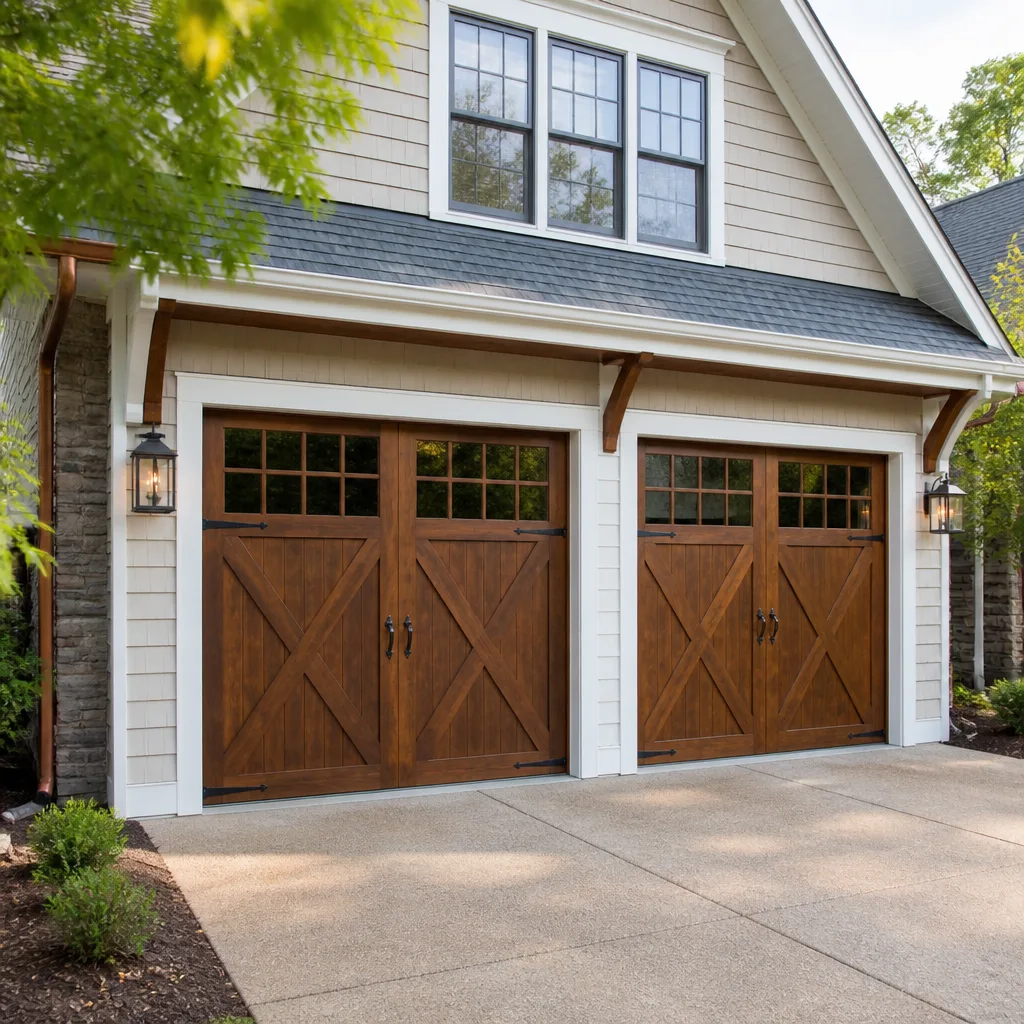 Carriage house
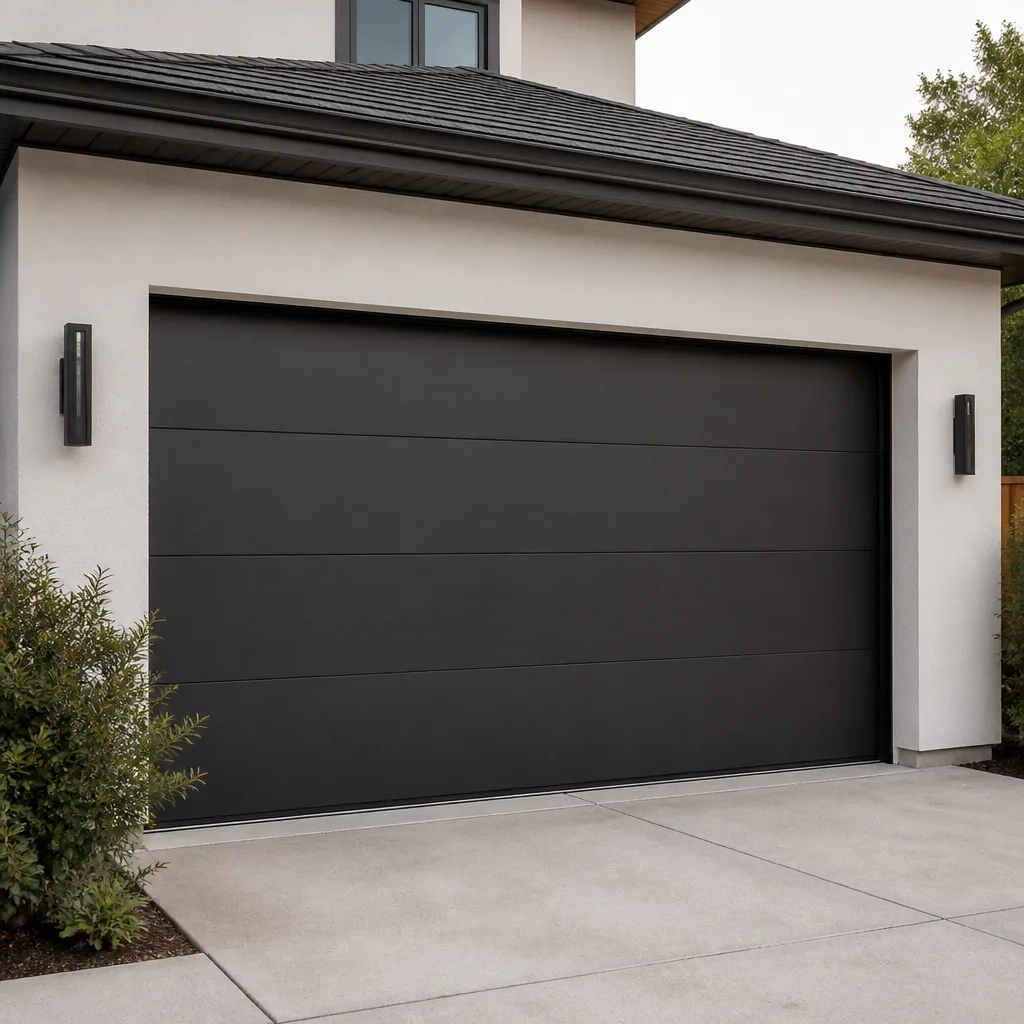 Modern flush
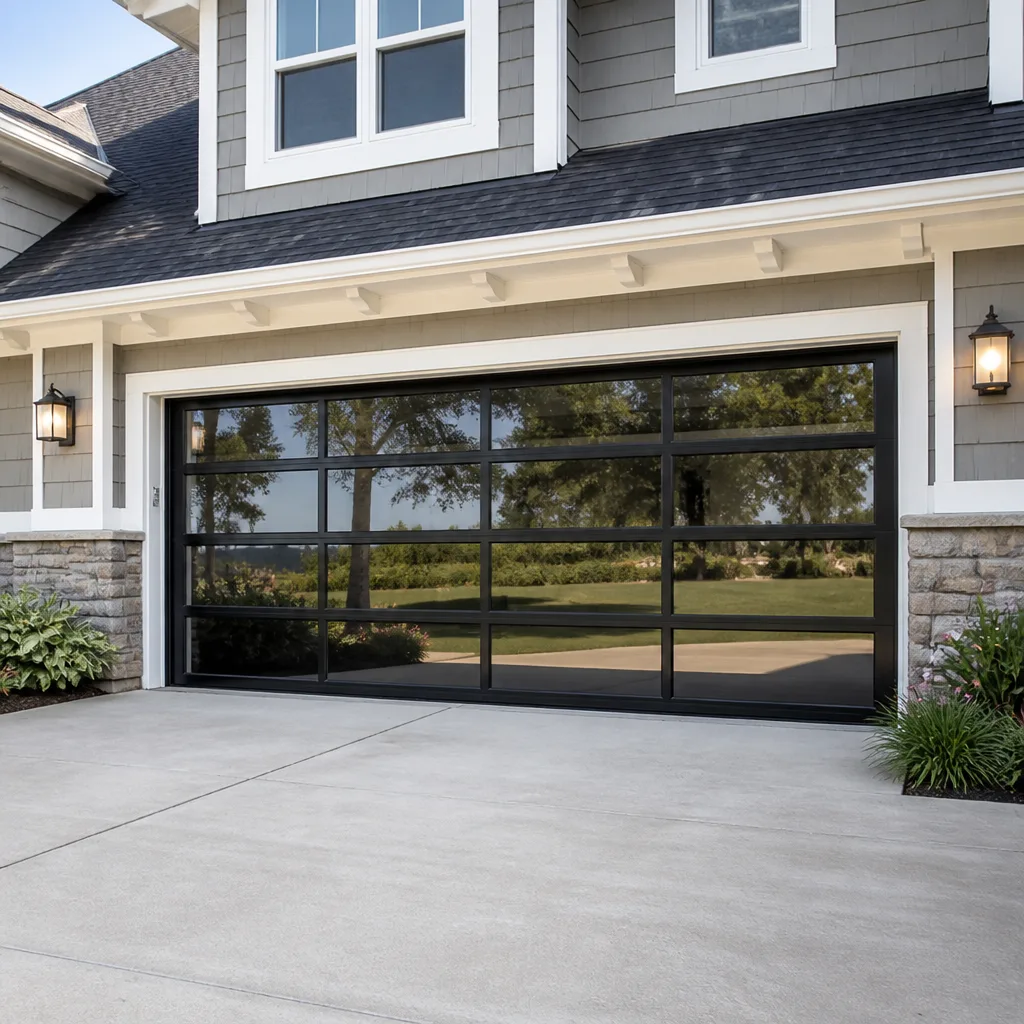 Full-view glass
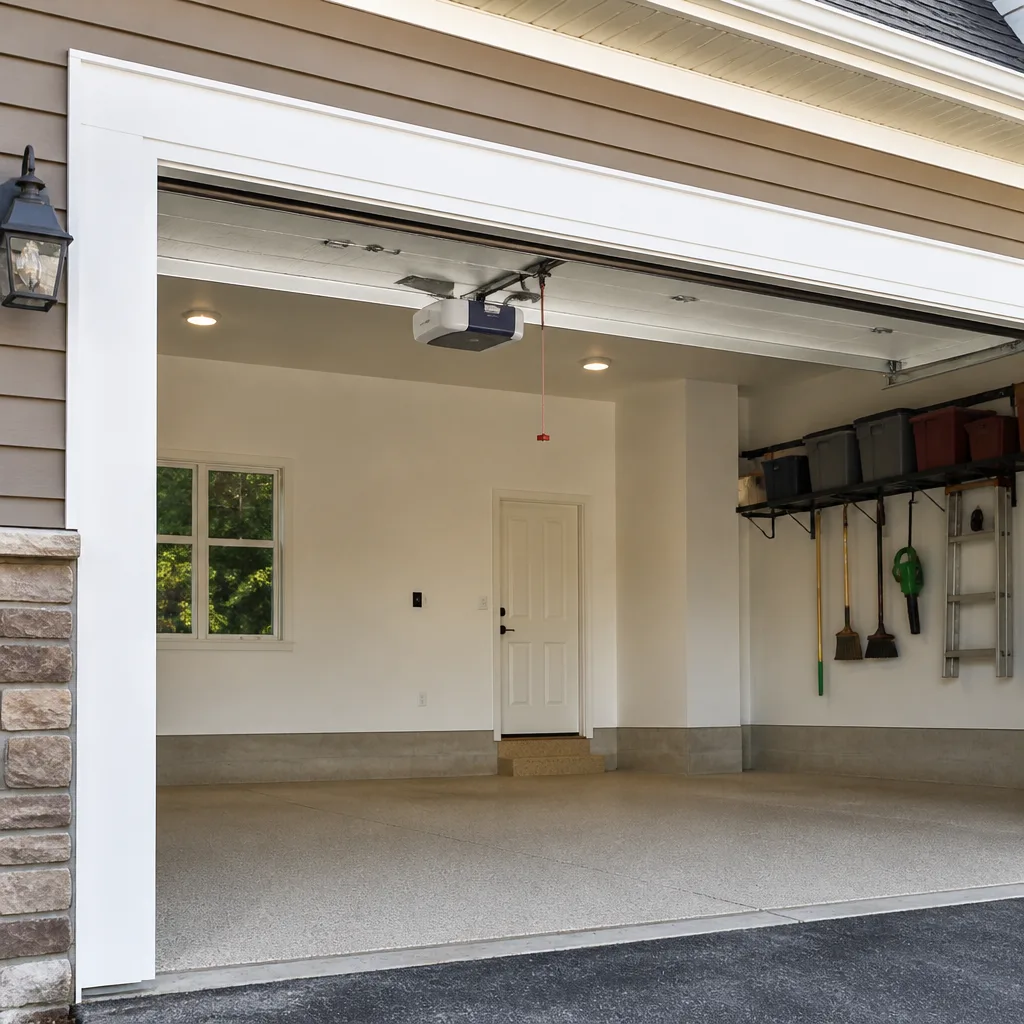 LiftMaster openers
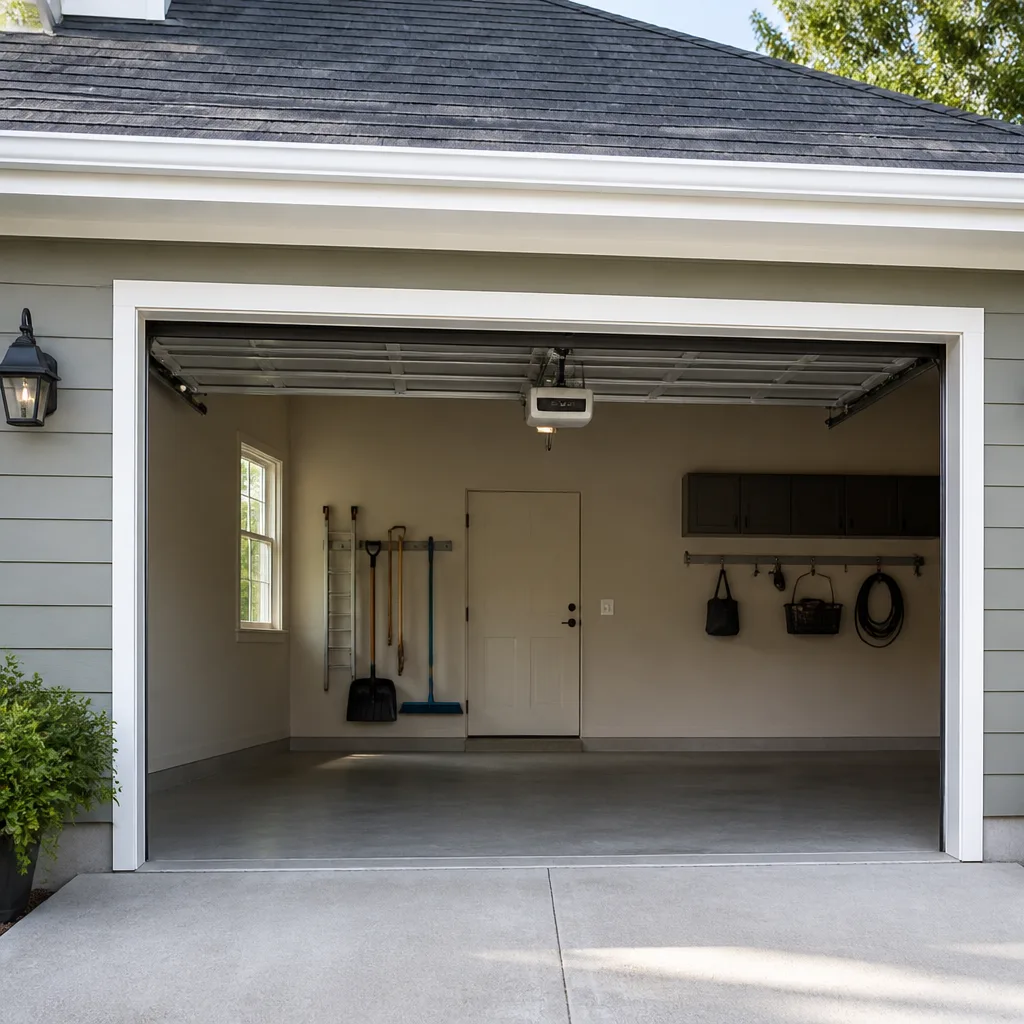 Chamberlain openers
Full 25-point door and opener safety check with every visit - springs, cables, rollers, tracks, and your LiftMaster or Chamberlain opener included
You get a price before we start. It does not change when the pro arrives.
Get your free estimateGarage Door Repair Maintenance Checklist for Cottage Grove Homeowners
A torsion spring gives you visible warning signs for weeks before it breaks. Most homeowners walk past those signs every day because no one ever showed them what to look for. That’s the gap this guide fills. A checklist that just says “inspect the springs” is useless if you don’t know what a tired spring looks like compared to a healthy one. We’re going to change vague items into inspections you can actually perform: what’s normal, what’s a warning, what’s an emergency, and which tasks are safe to do yourself in Cottage Grove versus which belong in the hands of a technician. Read it once now, then use it twice a year.
Quick Answer
A garage door maintenance checklist for Cottage Grove homeowners should cover springs, cables, rollers, tracks, hinges, weatherseal, the opener, and door balance. Do a full visual inspection and a 60-second balance test twice a year: once in October before the freeze and once in April after the thaw. Lubricate moving metal parts twice a year, keep the door balanced and quiet, and never adjust torsion springs or cables yourself. Most checklist items are DIY-safe; spring and cable work is not.
Styles & brands we work with
- Raised-panel steel
- Carriage house
- Modern flush
- Full-view glass
- LiftMaster openers
- Chamberlain openers
Table of Contents
- What a Healthy Spring Looks Like (and What Failure Looks Like)
- Reading Your Cables: Normal Wear vs. Danger Signs
- Rollers, Hinges, and Tracks: The Quiet Components That Cause Noise
- Weatherseal and the Minnesota Freeze-Thaw Cycle
- The Right Lubricant, the Right Points, the Right Schedule
- The 60-Second Balance Test (No Tools, No Touching Hardware)
- The Seasonal Calendar: October vs. April Priorities
- DIY-Safe vs. Call-a-Technician: Where the Line Is
What a Healthy Spring Looks Like (and What Failure Looks Like)
Your garage door is usually the heaviest moving object in the house. On most Cottage Grove doors, a torsion spring mounted on the shaft above the door, or a pair of extension springs running along the horizontal tracks, does the lifting. The opener steers; the springs carry. That’s why spring condition matters more than anything else on this list.
A healthy torsion spring is a clean, tightly wound coil with no gaps between the coils, no rust blooms, and no visible deformation. A healthy extension spring is straight, evenly coiled, and has a safety cable running through its center. Here’s what warning signs actually look like:
- Gap in the coil. A torsion spring that has broken cleanly shows an obvious gap where the wire separated. The door will feel extremely heavy and may not open at all.
- Stretched extension spring. An extension spring that’s been stretched past its original length (compare left to right on double doors) is carrying less lift than it should and is closer to failing.
- Rust and pitting. Surface rust is cosmetic. Deep pitting that has thinned the wire is not. Springs are under extreme tension; a thinned section is a weak point.
- Bowed or visibly twisted coils. A spring that’s no longer straight is under uneven load, which shortens its life and stresses the shaft and bearings.
- Noise change. A spring that starts to groan or pop as the door moves has changed how it’s loading. That’s a “call a technician” sound, not a “spray it” sound.
One thing to know before you look: torsion springs are wound to hundreds of pounds of stored force. If a spring ever breaks, do not try to open, close, or disassemble the door yourself. Spring work is exactly what garage door spring repair exists for, and it’s a job for a trained technician with the right winding bars, not a homeowner with a socket set. If you see any of the signs above, call (833) 345-4676 and we’ll assess the spring safely.
Reading Your Cables: Normal Wear vs. Danger Signs
Cables are the muscle behind the springs on most modern doors. On a torsion system, the cables run from the bottom corners of the door up the sides and onto a drum at the end of the spring shaft. On an extension system, they run through the springs. Either way, they’re under continuous tension and they’re the second-most-common failure point after springs.
A healthy cable is a tight, evenly wound wire rope with no frayed strands, no kinks, and no rust along its length. It should sit cleanly in the drum or pulley with no slack. Warning signs look like this:
- Fraying or broken strands. Even one broken strand means the cable has lost strength and is closer to snapping. A snapped cable can whip and injure someone; treat this as a stop-use situation.
- Kinks or bird-caging. Where the cable has jumped a groove or been crushed, it will have a visible kink or a bunched, woven look. That section won’t run smoothly.
- Cable off the drum. If a cable has come out of its drum groove and sits on top of the drum, the door is not being lifted evenly. Stop using it until a technician looks at it.
- Slack in an extension cable. A slack cable on an extension system means the spring is doing less than its share, and it’s a warning that the spring is fatigued.
Cables are high-tension hardware. Adjusting, re-spooling, or replacing a cable yourself is not a reasonable DIY task: the tools, the safety procedures, and the load calculations are technician work. The inspection above, done with your eyes from a safe distance, is what you should do. If anything on that list applies to your door, that’s a call-the-professional moment, not a Saturday project.
Rollers, Hinges, and Tracks: The Quiet Components That Cause Noise
Rollers and hinges don’t usually break your door; they make it loud, jerky, and slower to respond. They’re also the easiest checklist items to inspect and the easiest to service yourself. Garage doors use either steel rollers (durable, noisier) or nylon rollers (quieter, shorter-lived). Old rollers get flat spots, which you can hear as a rhythmic thump as the door moves.
Here’s what a healthy setup looks like, component by component:
- Rollers: sit snugly in the track, spin freely by hand, and show no flat spots, cracks, or missing ball bearings. Steel rollers should be smooth, with no visible scoring. Nylon rollers should be intact, with no chunks missing or edges chewed up.
- Hinges: secure and tight, with no elongated screw holes in the door panel. Look for bright metal edges around a hinge plate, which means it’s shifting and starting to tear free.
- Tracks: plumb and straight, with consistent spacing on both sides. Dents, kinks, or bends in a track will cause the door to bind at that point.
- Panel joints: aligned with no visible gaps between sections. Sagging or misaligned panels put stress on the hinges and rollers above them.
The biggest track mistake we see in Cottage Grove garages is a bent track from a car bumper or something stored too close. If your door hesitates or jumps at one spot, get a flashlight on the track at that height before you assume the opener is failing. A track adjustment is something a technician handles in a quick visit; a visibly kinked track is not something to bend back by hand with the door on it. Also check the top and bottom of each track section where a bend will usually start.
Weatherseal and the Minnesota Freeze-Thaw Cycle
Cottage Grove weather is unforgiving to weatherseal. The bottom rubber in a garage door is designed to compress against the floor and seal out water, snow, wind, and pests. It’s the most likely component on the door to fail from ordinary weather alone, and it’s one of the few on this list that’s genuinely a homeowner-friendly job to swap out.
A healthy bottom seal is pliable, evenly seated in its retainer, and makes full contact across the entire floor when the door is closed. It shouldn’t be cracked, curled, flattened to a hard strip, or hanging loose at one end. Warning signs:
- Gaps and light. Close the door from inside the garage with the lights off. If you can see daylight across a consistent gap, or a gap that widens at one corner, the door isn’t sealing.
- Wind-driven snow inside the garage. A definite warning that the bottom seal or the floor’s contact line needs attention.
- Water intrusion after rain. Standing puddles along the door’s inside edge usually mean the bottom seal or the threshold is compromised, not the door itself.
- Cracked or hard rubber. Minnesota’s freeze-thaw cycle wears rubber out faster than a mild climate. A seal that feels rigid rather than rubbery is past its useful life.
Weatherseal work is safe to do yourself; most seals slide or screw into a retainer and replace in under an hour. Do this in October before snow piles against the door, and again in April when you can see the seal’s condition after a hard winter. The top and side seals deserve a look too; a split side seal lets in cold air and pests, and it’s just as easy to swap.
The Right Lubricant, the Right Points, the Right Schedule
Lubricant questions cause more grief than any other part of garage door maintenance. Here’s the rule: use a garage-door-specific, non-greasy lubricant – usually a white lithium or silicone spray – and skip standard WD-40 for most of the job. WD-40 is a solvent and light penetrant; it evaporates off inside weeks, and it attracts dust, which turns a moving joint into a sticky, grinding one. It’s the wrong tool for a garage door hinge or roller.
Here’s where to apply lubricant and how often:
- Hinges: a light spray on each hinge pivot point, twice per year.
- Roller stems (not the wheels): lubricate the stem and bearing inside the roller, not the wheel edge. The wheel needs to grip the track, not slide in it.
- Torsion spring coils: a light coat on the windings twice per year, applied with the door closed and hands away from the spring. Never wind or touch a spring under tension yourself.
- Track: do not grease the track itself. Wipe it clean with a dry cloth to clear dust and grit; a lubricated track collects dust and causes rollers to slide instead of roll.
- Opener drive parts (chain or belt): follow the manufacturer’s instructions. Chain-drive openers get a clean and a light application; belt-drive openers typically need none.
Two lubrications per year are plenty in the Cottage Grove climate: once before winter and once after the thaw. If the garage door is noticeably quieter after a proper lube, you’ve done it right. If the noise gets worse, or the door sticks in one spot, that’s not a lubricant problem; that’s a hardware problem, and it warrants a look. Our technicians have up to 13 years of experience diagnosing exactly this kind of “I greased it and it’s still noisy” situation.
The 60-Second Balance Test (No Tools, No Touching Hardware)
Your springs are correctly tensioned if the door stays balanced at the midpoint of its travel. If they’re weak, the door will drop when you let go. If they’re too strong, it will want to rise. Here’s how to test without touching the springs, cables, or any hardware:
- Disconnect the opener. Find the red manual-release handle (usually hanging from the carriage) and pull it down to free the door from the opener rail.
- Close the door fully. From the inside, lift it to roughly waist-high or roughly the halfway point of its travel.
- Let go. Don’t push; just release. A balanced door stays put, or moves only slightly and comes to rest.
- Read the result. If the door drops on its own, the springs are under-tensioned. If it climbs on its own within a few inches, they’re over-tensioned. Either way, springs need adjustment, which is a technician task.
- Reconnect the opener. If the door passed the test, pull the release handle back into place and run the door through a full open-close cycle with the opener to confirm it locks back in.
That test takes a minute and tells you more about your spring condition than any visual inspection. Run it before you spend money on new rollers or a new opener; a door that passes the balance test and still misbehaves usually has an opener issue, and that’s garage door opener repair territory rather than a spring problem. If the balance test fails, don’t pull the door open and close by hand as a workaround; have a technician look at the springs.
The Seasonal Calendar: October vs. April Priorities
Every checklist item on this page matters, but the timing matters too. In Cottage Grove, two months do most of the work for you: October, before the first hard freeze, and April, after the thaw.
What to prioritize in October (pre-freeze):
- Weatherseal condition: check the bottom and side seals before the door begins to sit against snow and ice.
- Lubrication: a full lube of hinges, rollers, and springs before the cold starts. Cold slows grease and stiffens worn rubber.
- Balance test: if the springs are going to fail this winter, they’ll usually show weakness as temperatures drop.
- Track condition: check for debris, leaves, and grit that will freeze the rollers into a misaligned track.
- Opener response: cold batteries in remotes, cold grease in the opener, and any jerky stop-start behavior worth addressing before the door gets stuck.
What to prioritize in April (post-thaw):
- Bottom and side seal inspection: freeze-thaw accelerates rubber cracking. A seal that survived October may not have survived February.
- Cable and spring wear: winter is when worn hardware finally fails; check the cables and springs closely as the thaw begins.
- Panel alignment: shifts from frost heave under the slab can throw the door out of plumb, and that shows up as binding or scraping in spring.
- Track clearance and fasteners: frost loosens lag bolts in the track mounting.
- Full open-close cycle with the opener, listening for new sounds.
A simple way to hold the routine: do the visual inspections and lubrication in October, then repeat and compare in April. What you’re really looking for is change. A spring that looked smooth in October and looks pitted in April is a spring on its way out. A door that was quiet in October and groans in April wants a technician’s eyes on the hardware.
DIY-Safe vs. Call-a-Technician: Where the Line Is
Here’s the line, plainly. You can safely do the inspections, the lubrication, and the weatherseal replacement. You can call the door balanced or unbalanced with the 60-second test. What you should not do is touch springs, cables, or anything that changes their tension.
Genuinely DIY-safe:
- Visual inspection of springs, cables, rollers, hinges, tracks, and seals.
- Lubricating hinges, roller stems, and spring coils with the right product.
- Wiping down the track with a dry cloth.
- Replacing the bottom and side weatherseal.
- Running the 60-second balance test.
- Testing the opener’s safety reverse: a door that doesn’t reverse when it feels an obstruction is an urgent opener problem.
Call a technician:
- Spring adjustment or replacement, in any form. Torsion springs can be wound to hundreds of pounds of stored force, and extension springs can snap with enough energy to injure. This is the single most dangerous job in the trade, and the reason we treat torsion spring repair as its own specialty.
- Cable replacement or re-spooling. Same reason: high tension, and a cable under load can fail without warning.
- Track straightening after a bend or impact.
- Replacing a door panel or hinge that has torn out of the door.
- Any opener repair that involves the motor, the control board, or the safety reverse system.
If the door won’t open at all because a spring or cable has failed, or if the door is stuck and won’t close, that’s an emergency. We provide emergency garage door service for exactly those situations, because a stuck-open door means your home isn’t secure. Call (833) 345-4676 and we’ll talk through what you’re seeing. For a standard repair, we can also book a free on-site estimate; you’ll get a written quote before any work starts.
Common Mistakes to Avoid
- Spraying WD-40 on every hinge and calling it maintenance. It evaporates and attracts dust, so the door gets noisier instead of quieter. Use a white lithium or silicone lubricant made for garage doors.
- Lubricating the track itself. A greased track collects grit, and the rollers slide instead of rolling. Clean it dry; don’t grease it.
- Adjusting the springs without the right tools or training. This is the most dangerous mistake a homeowner can make with a garage door. High tension in a spring is unforgiving. This is a trained professional only.
- Skipping the balance test because the door “looks fine.” Springs weaken slowly and visually. The balance test is the only reliable way to know whether the door is properly tensioned.
- Ignoring the bottom seal until water shows up. A failed seal lets snow, water, and pests into the garage, and it’s the cheapest item on this list to replace before winter gets hard.
- Treating a jolt, hesitation, or new sound as normal aging. Doors that hesitate usually have a hardware problem, and a few minutes with a technician’s diagnosis beats letting it get worse.
- Forgetting January and February exist. October’s checklist is meant to protect you through a Minnesota winter. If it’s still cold and December has passed, look at the seal and the balance test again; that’s when the failures happen.
See the difference
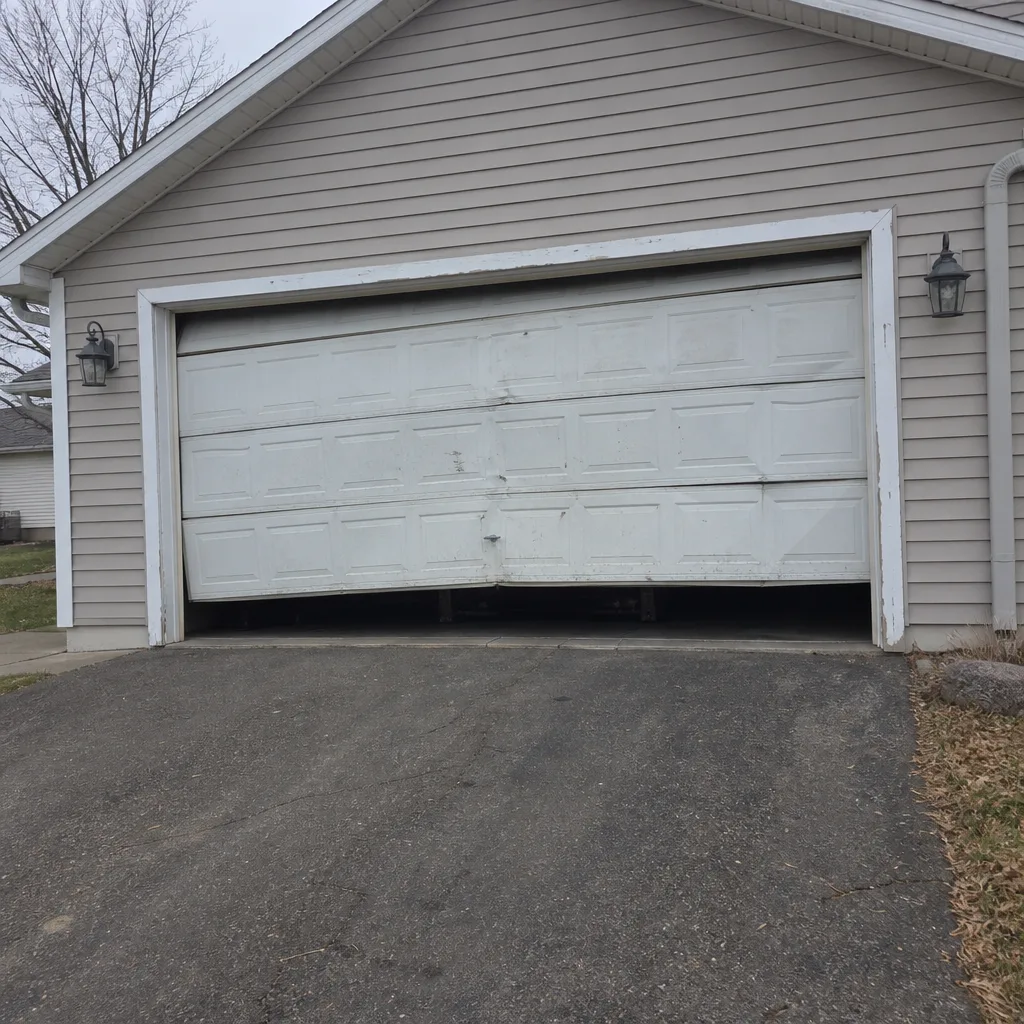 Before
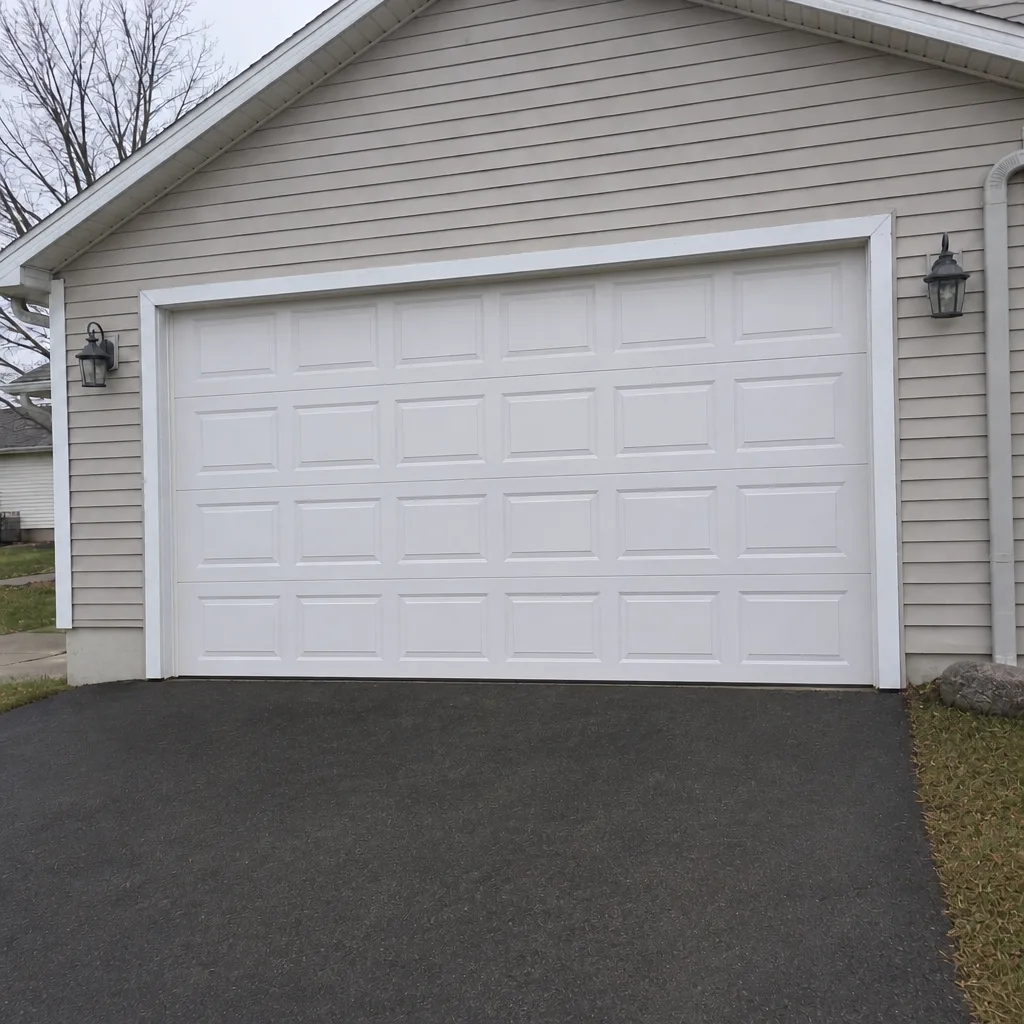 After
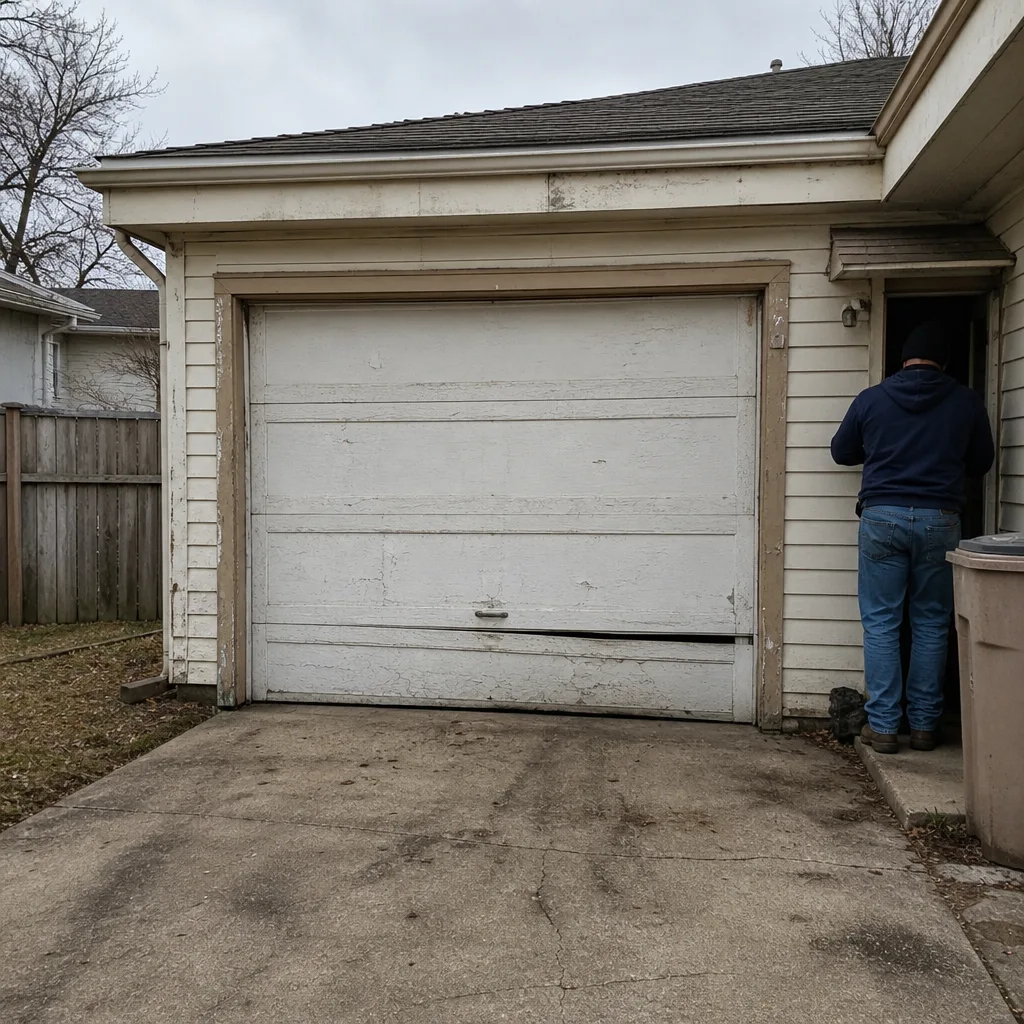 Before
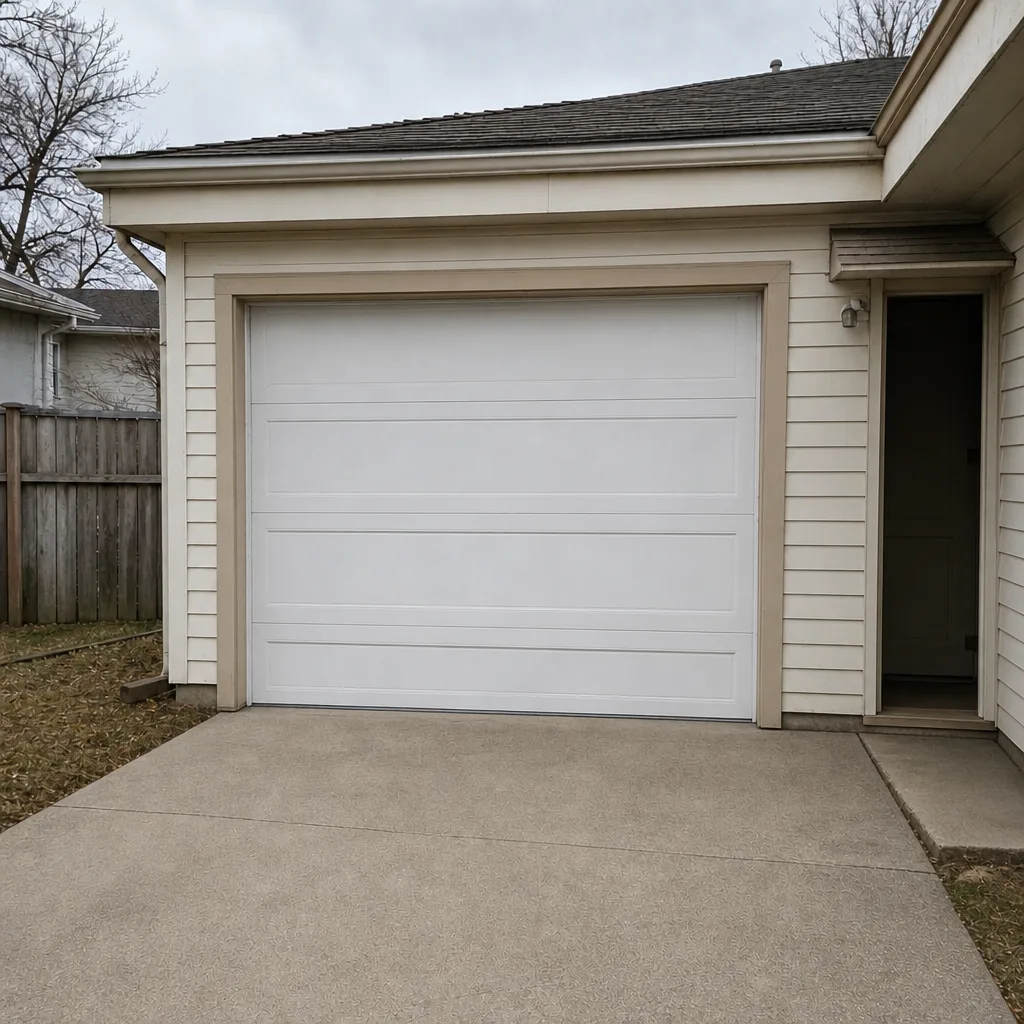 After
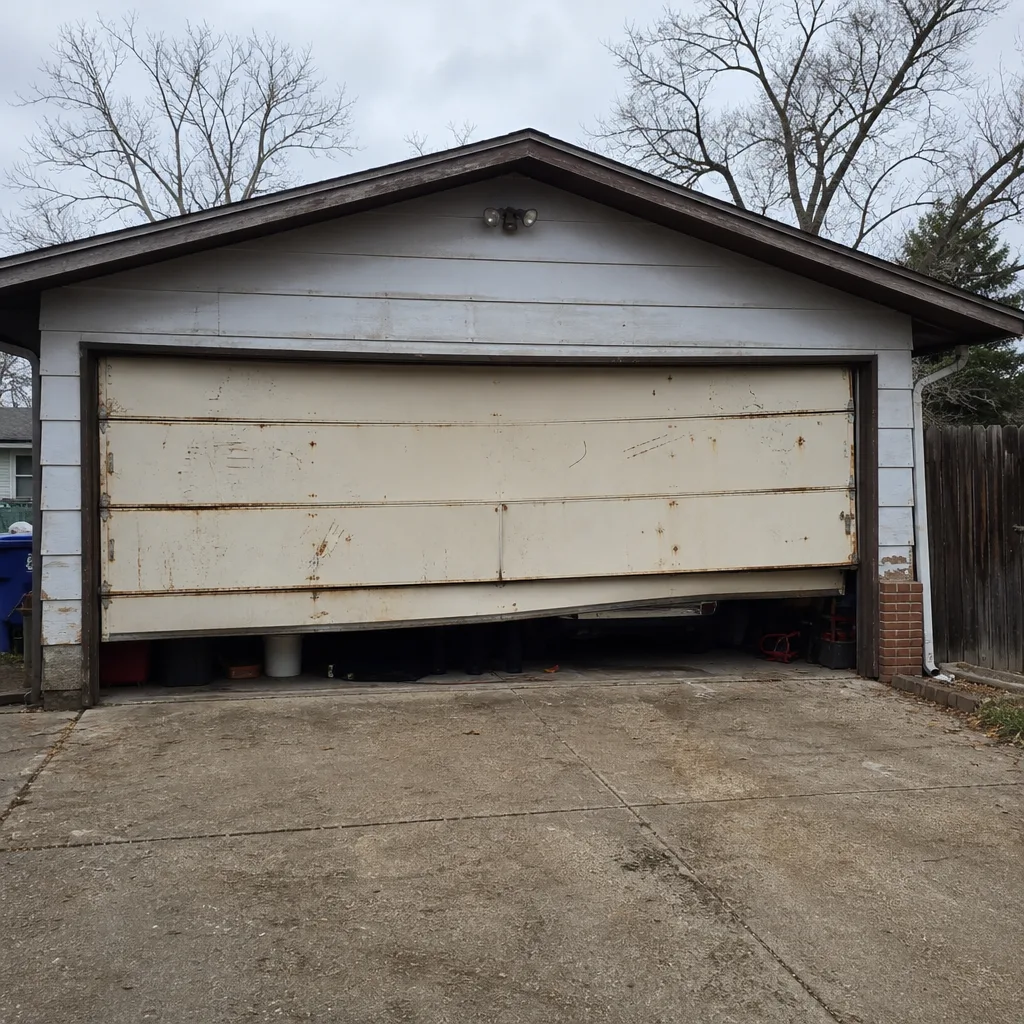 Before
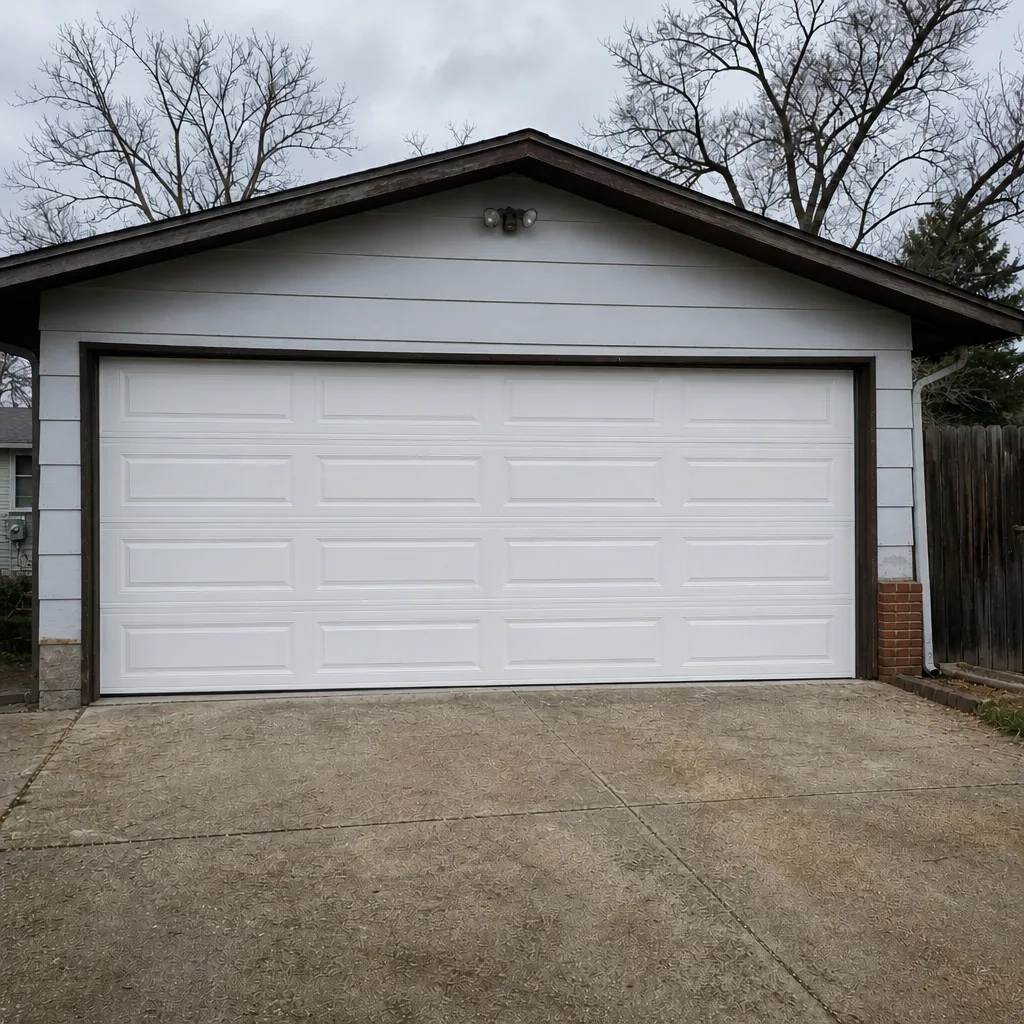 After
When to Call a Professional
Call for a garage door professional when a spring or cable has visibly failed, when the balance test fails, when the door jumps, scrapes, or hangs at one spot, when the opener won’t reverse on an obstruction, or when the door won’t open or close at all. Every one of those is either a safety issue or a wear issue that will get worse with time. Our technicians have up to 13 years of experience with every major system, and we work on the brand you already have: LiftMaster, Chamberlain, Genie, Clopay, Amarr, Wayne Dalton, Craftsman, and Raynor are all within our wheelhouse. Garage Door Repair Cottage Grove offers free estimates for Cottage Grove homeowners, so there’s no bill to find out whether your door needs a small fix or a bigger one. Call (833) 345-4676 and we’ll get you scheduled. You get a written quote before any work begins, and the price you agree to is the price you pay.
Frequently Asked Questions
Twice a year is the right rhythm: a full inspection and lubrication in October before the freeze and another in April after the thaw. Minnesota’s temperature swings are the main driver – rubber seals stiffen and crack faster here, and springs endure a wider range of temperature cycling than in milder climates. A door that’s inspected twice a year is far less likely to surprise you with a failure in January. Call (833) 345-4676 if anything on this checklist turns up a real problem.
A failing torsion spring will usually show one of these signs: a visible gap in the coil where the wire has begun to separate, surface rust with deep pitting, a bowed or uneven coil, or a new groaning or popping sound when the door moves. Sometimes you’ll see no visual sign at all, which is why the 60-second balance test matters – if the door drops on its own when released at the midpoint, the spring tension is no longer correct. If you see any of those signs, stop operating the door and call (833) 345-4676 for a technician visit.
No. Garage door springs, both torsion and extension, are adjusted only by a trained technician with the right tools. The tension stored in a torsion spring is enough to cause serious injury if it releases unexpectedly, and extension springs can do the same. We know it’s tempting to save on a service call, but this is quite literally the one part of the door that no homeowner should touch. Mechanical adjustment is a trained-professional-only job. Our technicians have up to 13 years of experience with spring repair, and that’s what spring repair is about. Call (833) 345-4676 and we’ll handle it safely.
For most parts of the garage door, no. Standard WD-40 is a solvent-based lubricant that evaporates in weeks and attracts dust, which makes a hinge or roller worse than before. Use a white lithium or silicone spray made for garage doors. Apply it to hinge pivots and roller stems, not to the track (keep the track dry). Two applications per year, one before winter and one after the thaw, is the right schedule.
The balance test tells you whether your springs are carrying the door’s weight correctly. Pull the red manual-release handle to disconnect the opener, close the door, lift it to about halfway, and let go. A balanced door stays put; one that drops has under-tensioned springs and one that rises has over-tensioned springs. Run this test before an inspection and again after any repair. If it fails, call (833) 345-4676 – spring adjustment isn’t a DIY task.
A general handyman can do the light items – lubrication, weatherseal replacement, wiping down a track – but the moment a spring, cable, or opener issue comes up, you want a specialist. Garage doors are a single-trade system, and the difference between someone who fixes doors all day and someone who fixes everything occasionally shows up in the diagnosis: right problem, right fix, no unnecessary upsell. We focus exclusively on garage doors, from torsion and extension springs to openers and full installations, and we handle diagnosis, repair, and installation ourselves so you’re not sourcing a second contractor. Call (833) 345-4676 for a free estimate.
The Bottom Line
A maintenance checklist is only as good as what it teaches you to see. The spring warning signs, the cable frays, the flat-spotted rollers, and the brittle weatherseal are all visible to a homeowner who knows what to look for – and all invisible to one who doesn’t. Do the inspection and the 60-second balance test in October and April, keep the right lubricant on hand, swap the weatherseal before winter hardens it, and leave the springs and cables to a trained technician. That routine alone prevents most of the failures that turn into emergency calls. If your garage door needs a repair, an opener fix, or a full garage door repair checkup, our team at Garage Door Repair Cottage Grove is ready. Call (833) 345-4676 for a free estimate, and you’ll get a written price before any work starts.
Written by the team at Garage Door Repair Cottage Grove.